Ukraine Restores Druzhba Pipeline After Russian Strike, Resuming Transit Operations
Kyiv has completed repairs on the Druzhba oil pipeline following a Russian strike, restoring a critical transit artery that carries oil through Ukrainian territory toward European markets.
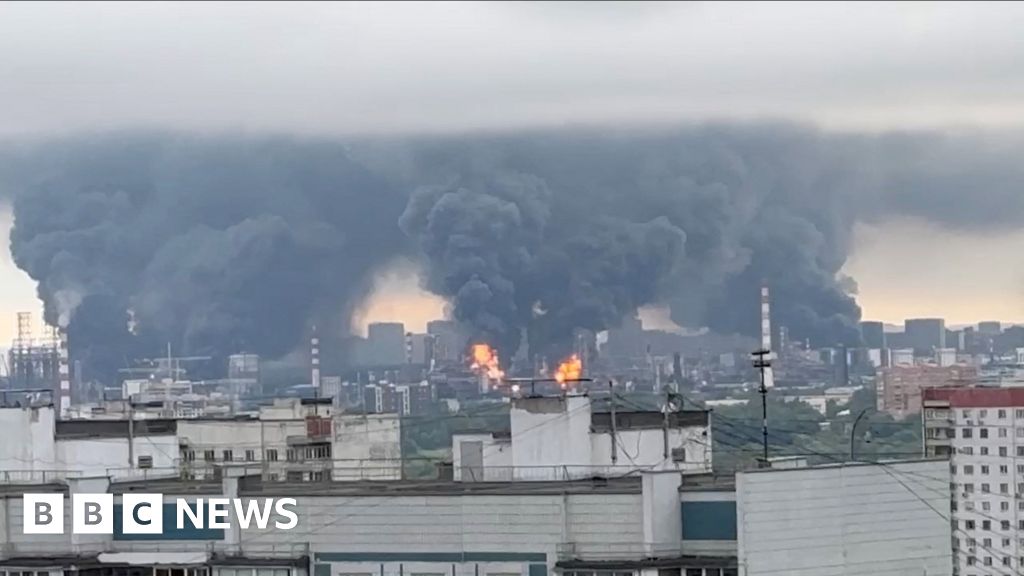
Ukraine has completed emergency repair work on a section of the Druzhba oil pipeline damaged in a Russian strike, restoring the transit artery that runs through Ukrainian territory toward European customers. President Volodymyr Zelensky confirmed on 21 April 2026 that the pipeline is ready to resume operations following repairs to the damaged segment.
The restoration marks a significant moment for Europe's crude supply logistics. The Druzhba pipeline — the name translates from Russian as "friendship" — has been a cornerstone of Soviet and post-Soviet energy transit, moving oil from Russian fields westward through Belarus and Ukraine to refineries in Poland, Germany, Hungary, Slovakia, and the Czech Republic. Disruptions to this corridor have direct consequences for continental energy security, making the speed of Ukraine's repair operation a matter of immediate commercial and diplomatic concern.
Infrastructure Warfare and the Logic of Pipeline Targeting
Russia's strike on the Druzhba pipeline fits a pattern established over three years of full-scale invasion: targeting critical energy and transport infrastructure to degrade Ukraine's economic resilience and signal vulnerability to European customers. Power grids, rail hubs, port facilities, and now oil pipelines have all come under deliberate attack during periods when Moscow has sought to escalate pressure or respond to Ukrainian advances on the battlefield.
The calculation behind striking transit infrastructure is not straightforward. Russia historically earned substantial transit fees from flows through Ukraine — fees that ceased or were sharply reduced after bilateral relations collapsed. Yet attacking the pipeline that once carried Russian crude also disrupts flows that may now serve alternative purposes or buyers. Whether the strike was intended primarily to damage Ukraine's own energy security, to intimidate European buyers considering new supply arrangements, or to deny Russia-friendly actors access to the corridor remains unclear from available reporting.
The Repair Achievement and Its Limits
What is documented is the outcome: Ukrainian repair crews completed work on the damaged section and the pipeline can resume functioning. The speed of this restoration, particularly under wartime conditions where repair teams operate under intermittent threat, speaks to Ukraine's demonstrated capacity to maintain critical infrastructure under sustained pressure.
Energy infrastructure is not, however, a one-time fix. Pipelines require ongoing monitoring, pressure management, and maintenance cycles that wartime conditions complicate. A restored section may hold — or it may require further attention depending on the nature of the damage and the quality of temporary versus permanent repairs. The sources do not specify the timeline of repairs or whether the work constitutes a provisional or permanent restoration, and that distinction matters for understanding how durable the resumed operations will prove.
Europe's Exposure and the Broader Energy Picture
Continental refiners have spent three years restructuring procurement away from Russian supplies,转向 Alternatives from the Middle East, North Sea fields, and increasingly from Caspian sources routed through the Southern Gas Corridor. But oil pipelines move bulk volumes that tanker logistics cannot easily replace on short notice. Even a partial or temporary disruption to Druzhba creates spot shortages in landlocked markets that cannot pivot to seaborne imports without incurring significant cost and delay.
The restored pipeline does not mean Europe is returning to pre-2022 dependency on Russian crude. Sanctions architecture, political reluctance, and supplier diversification have shifted the baseline permanently. What it does mean is that the option of using Ukrainian transit routes — whether for Russian-origin crude, Kazakh volumes re-routed through Russia, or alternative barrels — remains open for the time being. That optionality has commercial and strategic value, particularly if Baltic and Central European refiners face localized supply squeezes from other disruptions.
What Comes Next
The restoration raises a straightforward question about Russian intentions. If Moscow views the pipeline as a legitimate target and views resumed operations as something to prevent, the question becomes when and how it strikes next — and whether Ukrainian repair capacity can sustain a cat-and-mouse dynamic indefinitely. If the April strike was intended to send a signal rather than permanently close the corridor, the calculus is different: the signal was sent, Ukrainian resilience was demonstrated, and the episode may close without escalation.
The sources available do not characterize Russia's stated rationale for the strike, and Russian state media claims about the operation have not been independently verified. That uncertainty is worth holding: pipeline strikes in wartime carry multiple possible messages, and attributing a single motivation without corroboration from Moscow's own statements would go beyond what the record supports.
For European energy planners, the episode underscores an ongoing vulnerability that sanctions and supplier diversification have mitigated but not eliminated. Ukrainian territory remains an operational transit zone for continental oil supply, and any further disruption to that corridor will register immediately in market prices and refinery operations across Central and Eastern Europe.
This publication initially framed the pipeline restoration as a straightforward infrastructure story; the dominant wire framing placed the emphasis on Ukrainian resilience rather than on the strategic ambiguity of why Russia struck its own former transit asset in the first place.
Wire provenance
This editorial synthesis draws on the following public wire/social posts:
- https://t.me/operativnoZSU/
- https://t.me/euronews
- https://t.me/ClashReport
- https://t.me/uniannet