Iran Seizes Waterway Leverage: IRGC Fires on Container Ships in Strait of Hormuz Escalation
Iranian Revolutionary Guard naval forces attacked at least two container vessels transiting the Strait of Hormuz on the morning of 22 April 2026, causing structural damage to one ship's bridge. The attacks — confirmed by British naval authorities and the UK's Maritime Trade Operations office — mark a significant uptick in Tehran's willingness to employ kinetic force against commercial shipping.
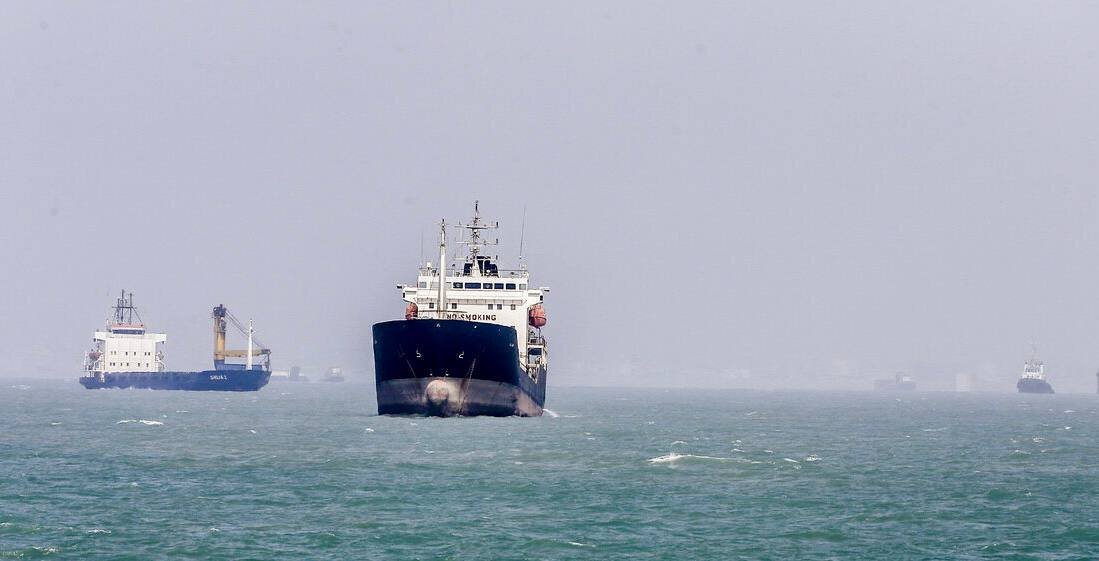
On the morning of 22 April 2026, Iranian Revolutionary Guard Corps naval units opened fire on at least two container vessels transiting the Strait of Hormuz, according to reports confirmed by the UK's Maritime Trade Operations office and multiple independent channels tracking maritime incidents in the Gulf. The attacks — occurring around 07:55 local time — caused serious structural damage to a ship's bridge on one of the vessels, though no crew injuries were reported. The incident represents the most direct kinetic use of force against commercial shipping in the waterway this year, and comes amid heightened tensions between Tehran and Washington over the status of existing diplomatic arrangements.
The Attacks and the Immediate Timeline
The first confirmed strike targeted a container ship transiting the eastern channel of the Strait of Hormuz without prior radio contact from Iranian authorities. According to reports reviewed by this publication, an IRGC naval boat approached the vessel and opened fire, damaging the bridge structure. No crew members were injured, and the vessel remained stationary following the attack.
A second incident was reported eight nautical miles west of the Iranian coastline, with the UK Maritime Trade Operations office confirming that a separate vessel had been targeted. British military sources corroborated the report, making it one of the few times Western governments have independently verified Iranian maritime aggression in real time through official channels.
The Strait of Hormuz is one of the world's most critical maritime chokepoints, carrying roughly 20 percent of global oil trade. Any disruption to safe passage has immediate implications for global energy markets and the cost of consumer goods worldwide. The attacks occurred as several major shipping insurers were already recalculating risk premiums for Gulf transits following months of elevated regional tension.
The Trump Administration's Position
The attacks land against a backdrop of hardening American rhetoric toward Tehran. Reports indicate that the Trump administration has signalled that reopening the Strait of Hormuz to full commercial traffic — a measure some analysts had floated as a confidence-building step — could undermine whatever remains of the existing Iran nuclear framework. Washington has maintained its maritime blockade posture and continued to escalate its public threats regarding ceasefire stability in the broader Middle East.
The administration has simultaneously questioned the durability of ongoing ceasefire arrangements, framing the Hormuz blockade not merely as a pressure tactic but as a central component of its broader strategic posture toward Iran. That framing puts the administration in direct tension with European allies and some regional partners who have argued that maritime restrictions only increase the probability of exactly the kind of incident seen on 22 April.
Tehran's Rationale and the Structural Context
Iran has long treated the Strait of Hormuz as a strategic asset that it can calibrate rather than merely accept. The Islamic Republic's naval doctrine has historically involved ambiguous grey-zone operations — harassment, seizure attempts, and in some cases direct fire — designed to send political signals without triggering the kind of full-scale confrontation that would invite a devastating American military response.
The logic is partly economic and partly political. As long as oil prices remain elevated and global shipping insurers perceive elevated risk, the pressure on Western governments to ease sanctions or restart diplomatic channels grows. Each incident — even one that stops short of sinking a vessel — reinforces the message that the waterway cannot be taken for granted. The attack on the bridge of a container ship, in particular, is a deliberate choice: it is meant to be visible, to generate insurance and rerouting costs, and to demonstrate that Iranian naval reach extends into one of the world's most surveilled maritime corridors.
This pattern is not new. Iran has periodically tested the threshold of acceptable provocation in the Strait of Hormuz across multiple administrations. What differs in 2026 is the specific combination of active US blockade posture, explicit White House statements tying Hormuz transit to nuclear-deal viability, and a fragile ceasefire environment in which both sides are scanning for leverage.
The Stakes Going Forward
The immediate stakes are operational: shipping companies will now reassess Gulf transits, and several container lines may reroute vessels around the Cape of Good Hope, adding weeks to journey times and significant costs to global supply chains. Insurance underwriters for war-risk coverage in the region will face pressure to reprice, and classification societies may advise enhanced crew protocols for Hormuz passage.
The diplomatic stakes are larger. The attacks undercut any argument that confidence-building measures — opening shipping lanes, easing financial restrictions — can precede rather than follow a nuclear agreement. They also give the administration a data point it can use to argue that engagement with Tehran is futile and that maximum-pressure enforcement is the only durable strategy.
European capitals and regional actors, meanwhile, will face renewed pressure to articulate what, if anything, constitutes a red line. Two vessels struck in a single morning, a bridge destroyed, and no crew injured — the narrowness of that outcome may be cited by Tehran as evidence that it is operating within a controlled escalation band. Western capitals will have to decide whether they agree.
—
This publication covered the attacks through IRGC-adjacent Telegram channels and UK government maritime statements, which together offer the most immediately verifiable account. The wire picture is still developing; the number of vessels struck and the specific vessels involved remain subject to confirmation as port authorities and ship owners issue their own statements. This publication will continue monitoring official reports from the UAE, UK, and US Navy Fifth Fleet as they become available.
Wire provenance
This editorial synthesis draws on the following public wire/social posts:
- https://t.me/Megatron_Ron
- https://t.me/AMK_Mapping
- https://t.me/WarMonitors
- https://t.me/myLordBebo