The Real NFL Draft Story Lives in Rounds 4 Through 7
While the first round dominates headlines, the later rounds of the 2026 NFL Draft reveal more about how franchises actually think about roster construction, risk tolerance, and long-term strategy.
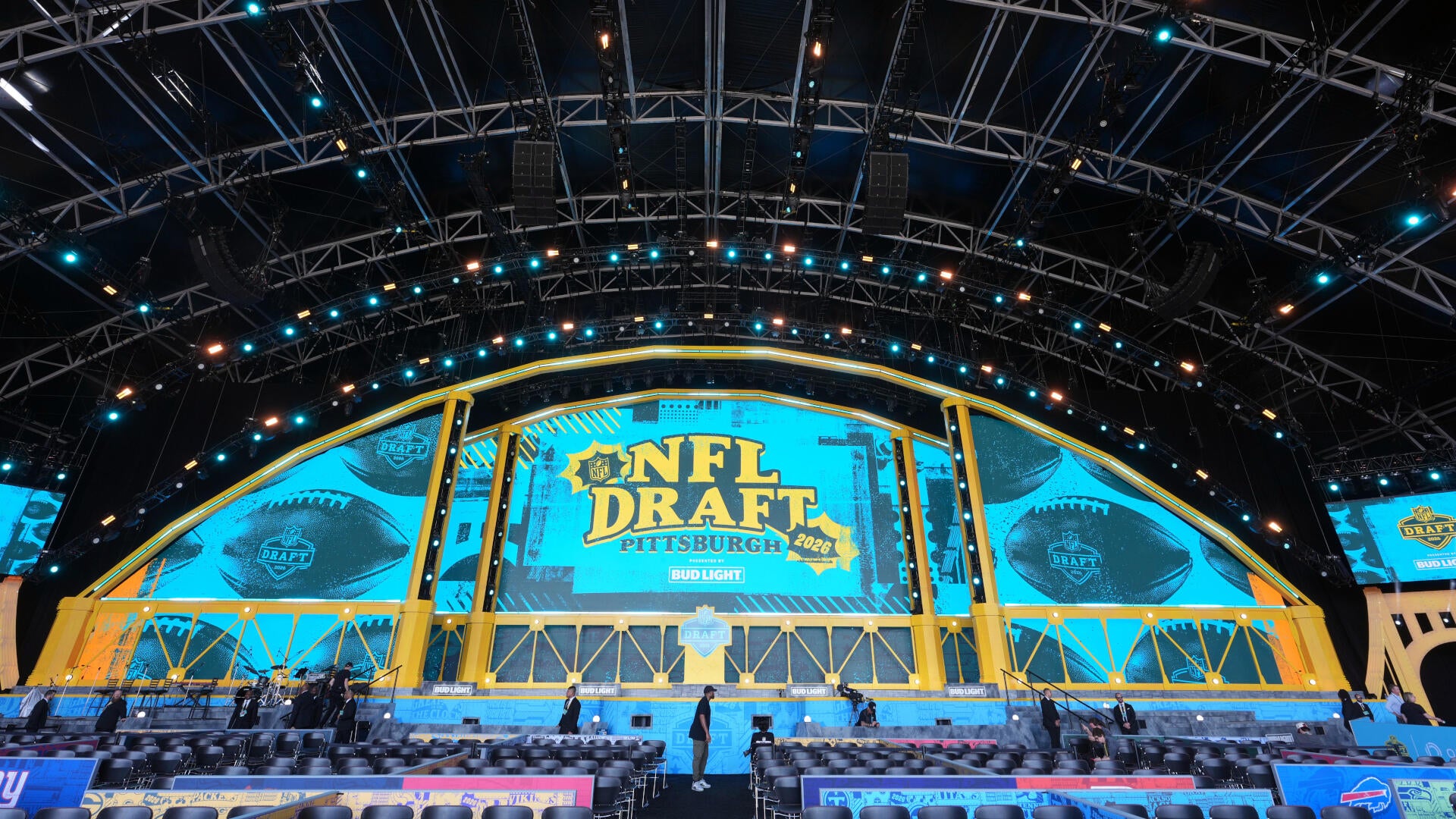
The NFL Draft machine completed its seventh and final round on 25 April 2026, and the hot takes about the first 32 picks are already fading. By then, most analysts had moved on to sleep. But the real work was finishing in rounds four through seven, where the difference between a functional roster and a talent-deficient depth chart gets decided in real time—and where the gap between what scouts see and what teams actually do grows widest.
The first round is theater. The later rounds are where organizational philosophy gets stress-tested against scarcity, leverage, and the reality that only 255 picks exist to fill 1,696 starting jobs across 32 franchises. CBS Sports' live tracker captured that tension across six separate round-by-round grading sessions spanning 24-25 April 2026, with Mike Renner handling rounds two and three before Josh Edwards took over for rounds four through seven.
What the Late Rounds Actually Revealed
The seventh round exists as a concession to parity. Thirty-two additional picks, most of them carrying negligible trade value, distributed to teams that either have specific developmental projects or are simply accumulating lottery tickets. The grading by Edwards across those final rounds showed a predictable pattern: teams with established cores made conservative selections, while franchises in transition modes reached for ceiling over floor—and paid accordingly in the analysts' judgment.
The fourth round marks the inflection point where positional value begins to diverge sharply from board grade. A player graded as a third-round talent sliding to the fourth often signals something specific: a medical concern, a character flag, or a scheme fit issue that does not show up in forty-yard dash times. CBS Sports' round-by-round analysis documented multiple instances of what scouts call " slides "—prospects dropping past their consensus grade—and tracked how different franchises responded to those opportunities.
Some teams treat fourth-round picks as legitimate developmental assets. Others treat them as currency. The grade disparity between those approaches rarely shows up in the final draft tracker, but it is legible in the roster construction choices that become apparent by Week One of the regular season.
The Grade Trap
Draft grades serve a legitimate function: they compress complex player evaluations into a legible language that fans and media can process. But they also impose a retrospective logic onto a fundamentally forward-looking exercise. A seventh-round grade of "B+" for a pick who never makes a roster is worthless. A "D" grade for a fifth-round quarterback who becomes a competent backup three years later is retrospectively wrong.
The grading sessions from CBS Sports across rounds four through seven show evaluators working under that constraint. Grades are assigned immediately after picks are made, based on the available information at that moment: the board, the pick value chart, the pre-draft medical reports, and the analyst's own model for positional scarcity. None of that accounts for how a 22-year-old offensive lineman responds to his first professional offseason program, or whether a mid-round running back's college injury history portends future durability issues.
This is not a critique of the graders. It is a structural observation about what draft analysis can and cannot do in real time. The grades are useful shorthand; they are not prophecy.
The Structural Logic Underneath
NFL teams approach later-round drafting with implicit models that rarely get stated explicitly in public. The most common model is the "BEST" framework—select the highest-graded player available regardless of position. The alternative is "VALUE" drafting, which targets specific positions that historically provide above-replacement-level production in later rounds: interior offensive line, special teams contributors, and developmental quarterbacks who can be stashed on practice squads.
What the 2026 draft grades show, when read across all seven rounds, is that most franchises do not fully commit to either model. They hybridize. A team with a aging left tackle might draft an interior offensive lineman in the fifth round not because he is the best player on the board but because the positional need creates a marginal value that the pure board does not capture.
This hybrid behavior explains why late-round grades so often look inconsistent from the outside. The evaluator is applying a pure BPA model. The team is applying a contextual one. Both can be rational. The grade captures one side of that calculation and ignores the other.
What to Watch Through the Summer
The 2026 draft class will not be evaluated fairly until at least the 2028 season, when early-round picks face their second contract decisions and mid-round selections either earn expanded roles or reveal themselves as rotational depth. The later rounds take even longer: a seventh-round pick who makes a 53-man roster in Year Two has already exceeded baseline expectations.
What the grades cannot capture is organizational culture. A team that develops late-round talent effectively will consistently extract more value from picks other franchises would waste. That development capacity is not visible in round-by-round analysis. It shows up in three years, when a former fifth-round pick is starting ahead of a second-rounder from a neighboring franchise.
The draft is over. The evaluation has barely begun.
This desk covered the 2026 NFL Draft through CBS Sports' round-by-round live grading feeds rather than the wire press conferences or team-issued statements, which foregrounded individual player grades over structural analysis of team drafting philosophy.