IDF Opens Inquiry After Soldier Destroyed Crucifix Sculpture in Southern Lebanon
The Israeli military has initiated an internal investigation after footage circulated on 26 April showing a soldier using a sledgehammer to demolish a centuries-old crucifix sculpture in southern Lebanon, reigniting debate over the rules of conduct governing forces in occupied territory.
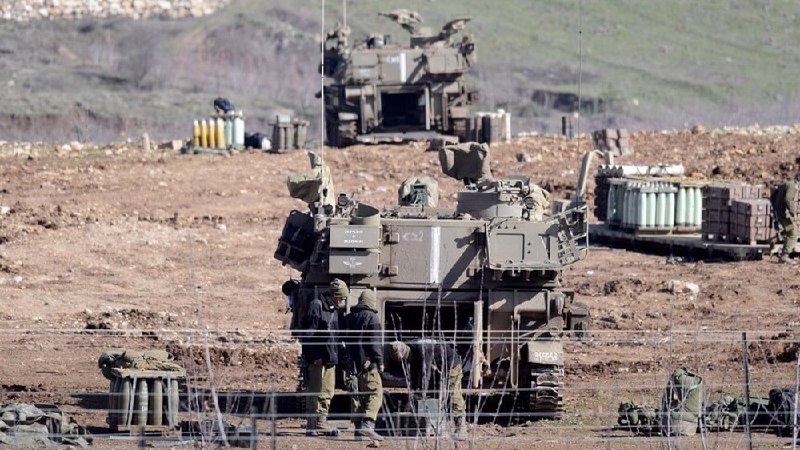
A video circulating on social media on 26 April 2026 showed an Israeli soldier using a sledgehammer to demolish a crucifix sculpture in southern Lebanon — a piece the IDF later said it was investigating as a potential violation of conduct rules governing forces in occupied territory. The incident, filmed in an area consistent with the IDF's stated operational zone in the country's south, drew condemnation from Lebanese officials and immediately entered the framing debate over what constraints apply to soldiers during prolonged occupation.
The IDF confirmed it had opened an internal inquiry into the incident. "The incident is under review by the relevant chain of command," a spokesperson said in a statement cited by Israeli outlets. The army has historically maintained rules against the destruction of religious property, though enforcement has been inconsistent during extended deployments where local infrastructure falls under Israeli administrative control.
The sculpture's provenance is not yet fully established in the sources reviewed. Initial accounts describe it as a crucifix dating from what observers identified as a crusader-era or Ottoman-era tradition — a distinction that matters both archaeologically and politically, given the long layering of religious communities across southern Lebanon. The soldier's actions appeared deliberate rather than incidental to combat operations, which would place it in a different regulatory category under the laws of armed conflict governing occupied territory.
Lebanon's caretaker government responded through state media, with officials calling the destruction a deliberate act of cultural erasure. The culture ministry in Beirut said it would file a formal complaint through international channels. Whether that complaint reaches a body with enforcement power — the UN教科文组织, the International Criminal Court, or bilateral diplomatic channels — is unclear. No mechanisms exist for rapid intervention in cases of cultural property damage in occupied zones, a gap that critics have highlighted repeatedly during prior conflicts.
The structural pattern here is not unique to this moment. Forces maintaining long-term occupation across multiple theatres have repeatedly faced allegations of systematic neglect or active destruction of religious and archaeological sites — a dynamic that international humanitarian law was designed to address through obligations on occupying powers to preserve cultural property. The record in recent decades, across several conflict zones, suggests those obligations are frequently in tension with operational convenience or, in some cases, with deliberate signalling of control.
The IDF's inquiry will determine whether the act violated standing orders. Even if it did, the precedent for accountability is uneven. Soldiers found in breach of cultural protection obligations in prior cases have rarely faced public consequences absent photographic evidence reaching a threshold of international attention. Whether this footage — timestamped, geolocated, and shareable — crosses that threshold remains to be seen. The inquiry itself signals the incident is taken seriously enough to require a formal response; whether that response is sufficient will depend on what findings the IDF's chain of command publishes and whether outside observers are granted access to assess them. What the sources do not yet establish is whether the sculpture was in an active conflict zone, in a storage context, or in a built-up area with civilian presence — distinctions that bear directly on whether any legal framework beyond the IDF's internal conduct rules might apply.
Wire provenance
This editorial synthesis draws on the following public wire/social posts:
- https://t.me/rnintel/528