Trump's reverse-migration claim deserves scrutiny, not applause
Trump calls the supposed return of emigrants a 'beautiful thing' — but the framing masks more than it reveals about his administration's record.
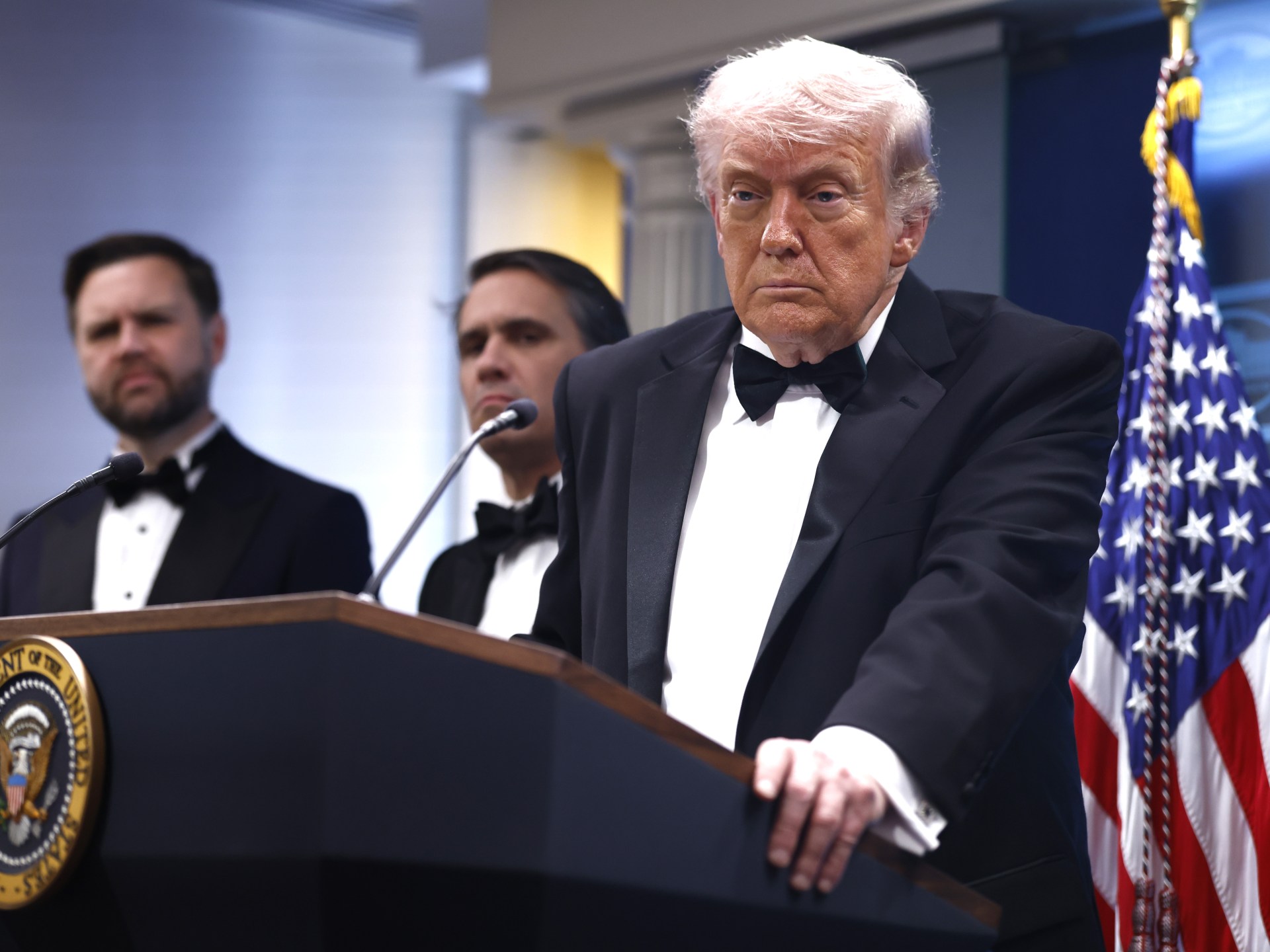
There is a particular skill in making a policy contradiction sound like a triumph. Donald Trump demonstrated it again on 25 April 2026, when he described a phenomenon he called "reverse migration" — presumably the return of people who left the United States — as "a beautiful thing" and claimed it was happening "for the first time in more than 50 years." The clip circulated widely. The phrasing sounded confident. The applause was immediate. The scrutiny was not.
That asymmetry is worth examining.
Trump has been explicit about the scale and speed of his administration's immigration enforcement. The stated ambition — mass deportations, strict vetting, wall construction, visa restrictions — has been implemented with vigour, and the enforcement infrastructure has been sustained well beyond the initial surge. These are documented facts, not disputed ones. The question the "reverse migration" framing sidesteps is whether people left because conditions improved inside the United States, or because the operating environment for undocumented residents became so difficult that departure became the rational choice. Those are not the same story. One reads as policy success; the other reads as policy pressure.
The phrasing also does something curious with language. "Reverse migration" has historically been used as a left-wing critique — arguing that Trump's rhetoric and enforcement climate were pushing people out. By adopting the term and inverting its valence, Trump converts an opposition argument into a branding opportunity. Whether that conversion holds up against the actual data on emigration and repatriation rates remains, at time of writing, unclear from the available sources. The claim of "50 years" is a specific one. If it is accurate, it is notable. If it is not, it is a material misrepresentation of an administration's own record.
The second clip from the same date reinforced a theme Trump has leaned into throughout his political career: that busyness is a substitute for vulnerability. "I don't have time to be depressed," he said, before adding that staying occupied was his coping mechanism. "That's what I do." The statement is characteristically self-reifying — it positions invulnerability as a personal discipline rather than a psychological blind spot. There is a difference between resilience and denial, and conflating the two has consequences when the decisions in question involve nuclear posture, trade architecture, and alliance management. The clip did not elaborate on which form of avoidance he was endorsing.
The third clip is perhaps the most revealing in terms of political mechanics. Trump claimed that United States equity markets reached record highs "during a war" — referring to the conflict in Ukraine, which as of April 2026 has entered its fifth year of active phase — and described it as evidence of national strength. "It's not a big war for us," he added. That qualifier is doing significant work. A conflict that has reshaped European security architecture, consumed hundreds of billions in Western military aid, and triggered the most sustained confrontation between NATO and a nuclear-armed adversary since the Cold War is being framed as someone else's problem that happened to be good for Wall Street.
The market performance during periods of geopolitical stress is a legitimate data point. But treating it as a validation of anything beyond financial asset prices requires a significant leap in logic. The S&P 500 reaching a new high tells you something about capital allocation and corporate earnings in a specific environment. It tells you nothing directly about the human cost of the conflict, the reliability of European allies, the structural integrity of the dollar's reserve position, or the durability of the rules-based trading system that underpins those valuations. Framing it as a badge of honour while dismissing the underlying conflict as "not big for us" is a rhetorical sleight of hand that collapses a complex geopolitical situation into a stock chart.
What connects these three clips is not their content but their function: each one offers a polished, self-serving interpretation of facts while suppressing the adjacent questions those facts raise. The immigration record is real. But whether it constitutes success or pressure depends on what happened to the people who left and why. The market high is real. But treating it as evidence of competent leadership requires ignoring everything the conflict has cost globally and selectively crediting the current administration for conditions it did not create. The invulnerability claim is real. But a leader who cannot process the weight of what he oversees is not displaying strength — he is displaying a risk factor.
None of this is fatal to any political project. Every incumbent operates in the business of narrative management. The difference is that in a functioning information environment, the narrative gets stress-tested before it becomes the story. The Trump team's media operation is adept at placing the content and less adept at placing the context. When a clip about "reverse migration" gets shared four million times and the follow-up questions get almost none, that is not a coincidence. That is a system working as designed.
The harder question — whether returning emigrants represent a policy outcome to be celebrated or a pressure result to be understood — deserves an answer grounded in data, not framing. The sources reviewed for this article do not provide the repatriation statistics that would allow a rigorous verdict. Until they do, the appropriate stance is the same one that should apply to any performance art: watch closely, wait for the receipts, and resist the applause until the numbers confirm the story.
Monexus covers Trump's public statements as primary-source material, which means attributing the words verbatim while reserving judgment on the interpretive frame. The wire clips are real. The framing around them is a product, not a fact. Covering it as such is not hostility — it is the minimum standard for editorial discipline.