Wembanyama's Playoff Return Highlights Protocol Tensions as Spurs Near Series Win
Victor Wembanyama delivered a dominant Game 4 performance upon returning from concussion protocol, but the Spurs star made clear his frustration with how the situation was handled — raising questions about how teams balance player safety with competitive pressure in high-stakes postseason play.
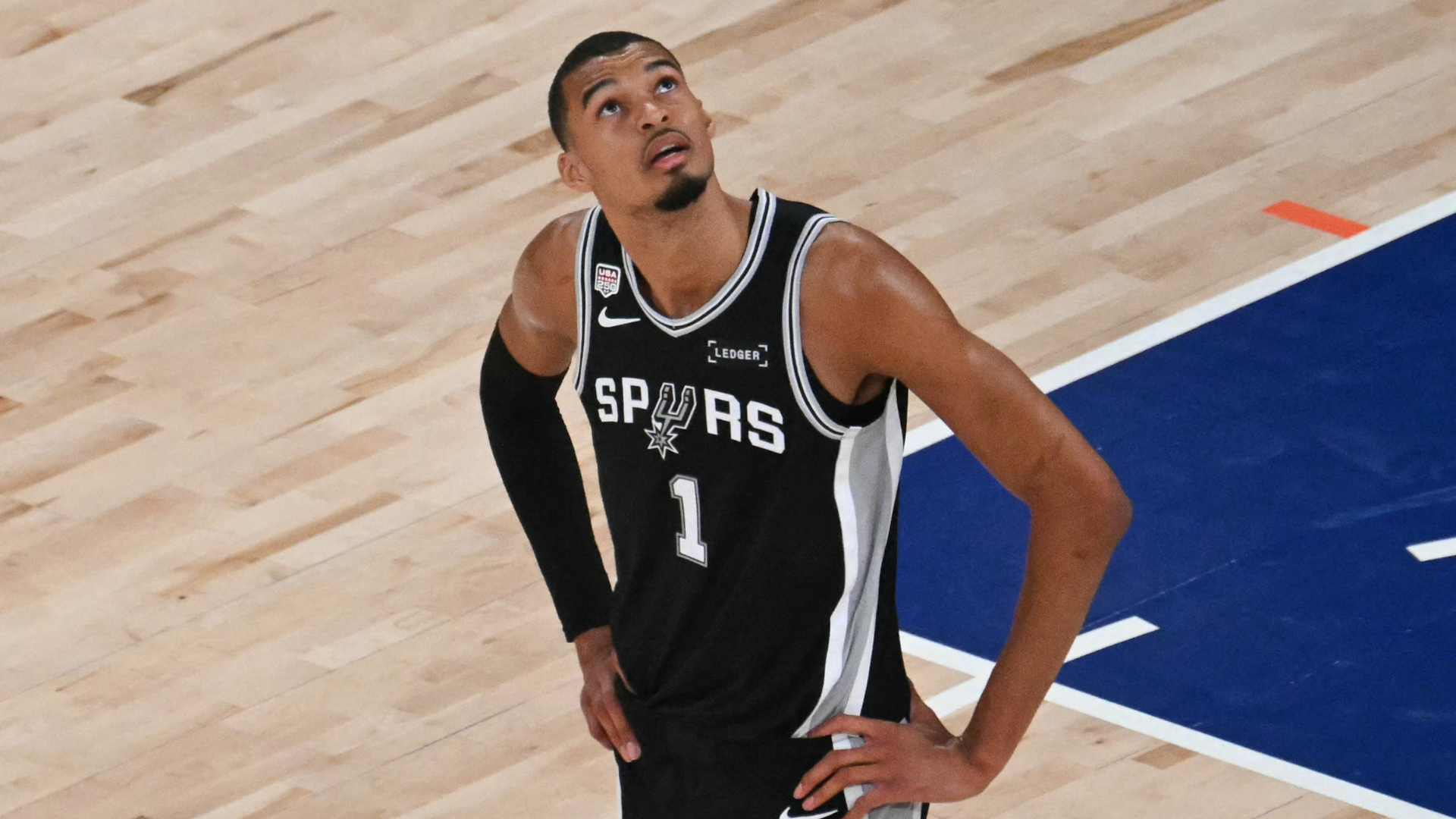
Victor Wembanyama returned to the court on Sunday and immediately reminded the NBA why the San Antonio Spurs invested a franchise-altering draft pick in him. The 22-year-old French centre posted 27 points, 11 rebounds and seven blocks in a 112-99 victory over the Portland Trail Blazers at the Moda Center — a performance that pushed San Antonio to the cusp of a first-round series win, 3-1, with one road game separating them from the second round.
The statistical line alone would warrant attention. Seven blocks in a playoff game is the kind of number that surfaces in broadcast highlight packages for years. But the context around Wembanyama's return is what made Game 4 more complicated than a straightforward dominant performance by a young star. He was back on the floor less than 48 hours after the injury that triggered the concussion protocol, and he was not happy about the process that got him there.
"I'm very unhappy with how things were handled," Wembanyama told ESPN on Sunday, declining to elaborate further on the specifics of his frustration. The lack of detail makes it harder to pinpoint exactly where the breakdown occurred — whether it was a communication failure, a procedural question about when he was cleared, or something else entirely. What is clear is that a player who spent significant portions of his rookie season navigating injury setbacks wanted more from the system designed to protect him.
The Protocol Question
Concussion protocols in professional sport exist to protect players from short-term symptom exacerbation and long-term neurological risk. They are also, by design, somewhat inflexible — the criteria for clearance involve documented symptom resolution, not just a player's subjective sense of readiness. The NBA's joint return-to-play protocol, negotiated between the league and the players' association, requires clearance by an independent neurologist before a player can return to game action.
What Wembanyama's public frustration suggests is that the timeline for his clearance — rapid by any standard — may not have matched his own expectations for transparency about what that timeline involved. Whether he felt the communication was inadequate, that he was pressured to return sooner than his own judgment would have suggested, or that the process moved faster than it should have, the sources do not specify. What is verifiable is that he played on Sunday, posted numbers that validated the Spurs' decision to let him play, and said he was unhappy. Those three facts coexist uneasily.
On the Court, No Ambiguity
Whatever discomfort existed off the floor dissolved once play began. Wembanyama's seven blocks against Portland represent a statement of intent in a series the Spurs are now in firm control of. The Blazers, entering the postseason as a young, ascending team built around Scoot Henderson and Shaedon Sharpe, have had no answer for the second-year centre. Across four games, San Antonio has outscored Portland by an average of 11.3 points per game. The Spurs can close the series as early as Tuesday in Oregon.
The broader significance of Sunday's performance is harder to contextualize without projecting forward. Wembanyama's first playoff appearance — truncated by the injury in Game 3 — now has a complete game attached to it. The numbers are elite. The context is complicated. Both things are true.
Balancing Act
Professional sports leagues face a structural tension between player safety and competitive pressure that never fully resolves. Concussion protocols exist because the evidence base on head trauma is serious and accumulating. But playoff basketball, particularly in a series where one team's best player is also its most significant injury risk, creates incentives to push timelines as fast as the rules allow. The Spurs followed the rules. Wembanyama suggests something about the spirit of the process was unsatisfying. That gap — between technical compliance and felt experience — is where the real questions live.
For the Blazers, the immediate question is survival. Portland has shown fight across the series, winning Game 2 in San Antonio to avoid the sweep, but Sunday's result leaves them needing to win three consecutive games — two of them on the road — to advance. That is a structural problem, not a tactical one. For the Spurs, the horizon has shifted. After two seasons of deliberate, calculated rebuilding, San Antonio is one win away from the second round. And its franchise player, however frustrated he may have been with the process, is healthy and playing at an elite level.
The series resumes Tuesday. Whether Wembanyama's protocol comments generate any institutional follow-up — from the league, the players' association, or the Spurs internally — remains to be seen. The sources available do not indicate any formal review is underway. What they indicate is that the player himself thought something was off. That is not a small thing, even when the performance that followed made it easy to overlook.