Iran's 14-Point Answer: Tehran Tests Washington's Willingness to End What It Started
Tehran's response to Washington's ceasefire proposal goes further than expected — a 14-clause framework demanding American force withdrawal and a 30-day resolution window. Whether this is negotiating in good faith or a pressure tactic depends entirely on what you think the last eighteen months were actually about.
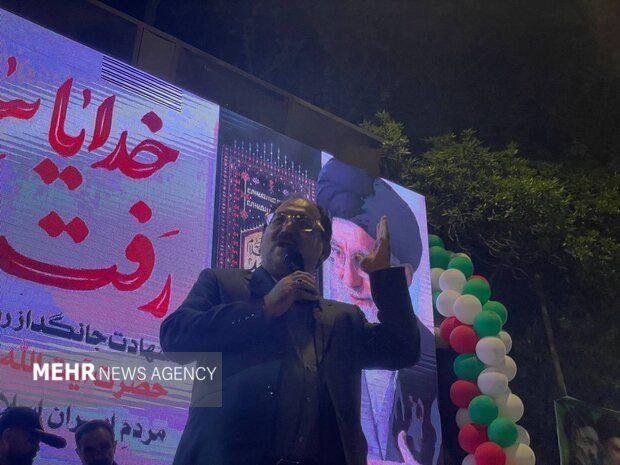
The signals from Tehran on 2 May 2026 tell two different stories at once. Iranian state media, citing the Tasnim news agency, confirmed that Iran has submitted a response to the American ceasefire proposal through Pakistan — a 9-clause document that focuses on what Tehran calls "ending the war," not merely pausing it. Simultaneously, an Iranian army spokesman warned that any new aggression would be met with new tools and means. A high Iranian official went further, telling Reuters that the US war with Iran would, in that official's assessment, likely resume soon. The juxtaposition is not accidental.
Tehran is speaking out of both sides of its mouth — as states do when they are simultaneously testing a negotiation and preparing for its failure. The question is whether Washington is reading the same document the rest of us are reading.
What Tehran Is Actually Asking For
The Iranian proposal runs to fourteen clauses, according to sourcing from Tasnim. The substance, as described by Iranian-aligned sources, is not a ceasefire extension but a termination arrangement. Tehran wants legal and structural guarantees that the conflict — whatever its current kinetic status — is concluded, not shelved. The fourteen clauses reportedly include a commitment to no military aggression and the withdrawal of American forces from Iran's vicinity. The word "vicinity" is doing significant work in that sentence; it is not limited to Iraqi territory and could encompass Gulf bases, carrier positions, and staging areas across the wider region.
That is a significant ask. It reframes the entire negotiation from a tactical pause to a strategic reset. The United States, according to Iranian state media, had proposed a two-month ceasefire. Iran responded with a counter-demand: thirty days to resolve outstanding issues entirely. This is not a negotiating gap that can be papered over with diplomatic language. It reflects two completely different definitions of what the exercise is for.
The American Position, Examined
Washington's preference for a two-month ceasefire signalises something specific: the Trump administration, or whatever configuration of decision-makers is driving this process, wants time, not resolution. A ceasefire buys operational flexibility. It creates space to reposition forces, reassess intelligence, and — critically — avoid the domestic and international political costs of either a formal peace agreement or a resumed military campaign.
Iran sees this. The Iranian official cited by Reuters who said resumption of hostilities was likely did not arrive at that assessment carelessly. The gap between a two-month pause and a permanent structural settlement is not a technical detail — it is a fundamental disagreement about the war's purpose and its endpoint. If the American goal is managed deterrence, Tehran has answered with a document designed to expose that goal.
The Structural Logic of Tehran's Position
There is a pattern here that goes beyond the specifics of this exchange. Iran has consistently framed its conflict posture in terms of sovereignty and withdrawal — demands that are legible to audiences across the Global South, to which Tehran has consistently oriented its messaging throughout the eighteen months of hostilities. A ceasefire that leaves American forces positioned to resume operations is not, in Tehran's calculus, a diplomatic victory. It is an occupied position waiting to be activated.
Iran's stress on ending the war completely rather than extending the truce reflects a strategic preference that has remained consistent across the negotiation: Tehran wants to extract a structural concession from Washington, not merely a temporal one. The 30-day demand is a test of whether American negotiators are empowered to discuss structure, or whether they are operating within parameters that preclude it. The Pakistani mediator's role — a non-Western actor with longstanding channels to Tehran — suggests Iran wants this communication to be deniable at a level of granularity that Western intermediaries do not allow.
What Comes Next
The next ten days will clarify whether this exchange represents the beginning of a genuine process or the terminal stage of a negotiating theatre. If Washington treats the fourteen-clause document as a starting position to be walked back through successive rounds of mediation, the process has life. If American interlocutors signal that the force withdrawal provisions are non-starters and the 30-day timeline is unrealistic, Tehran's official warning about resumed hostilities becomes the baseline scenario — not a negotiating gambit but a policy forecast.
Pakistan's role as intermediary is also worth watching. Islamabad's relationship with Tehran has survived significant strain over the past two years, and the willingness of both parties to continue channeling communications through a nuclear-armed regional state with ties to both Washington and Tehran reflects a practical recognition that official diplomatic infrastructure is insufficient for the task. That is not a reassuring sign about the process's maturity. It is, however, a realistic one.
The army spokesman's warning about new tools and means was not, on its face, about the ceasefire talks. It was a reminder — delivered at the moment Iran submitted its most substantive response to date — that the military dimension of this contest has not been suspended while diplomats work. The question the next thirty days will answer is whether Tehran is building leverage for a better negotiating table, or preparing for a table that does not arrive.
This publication has reported extensively on Gulf security architecture and will follow the Pakistani-mediated channel as it develops.
Wire provenance
This editorial synthesis draws on the following public wire/social posts:
- https://t.me/alalamarabic
- https://t.me/alalamarabic
- https://t.me/alalamarabic
- https://t.me/alalamarabic
- https://twitter.com/sprinterpress/status/1920473649485627575