EgyptAir Grounds UAE Routes as Regional Tensions Escalate
EgyptAir's sudden suspension of flights to Dubai, Abu Dhabi, and Sharjah points to mounting diplomatic pressure between Cairo and Abu Dhabi, with the aviation sector bearing the immediate cost.
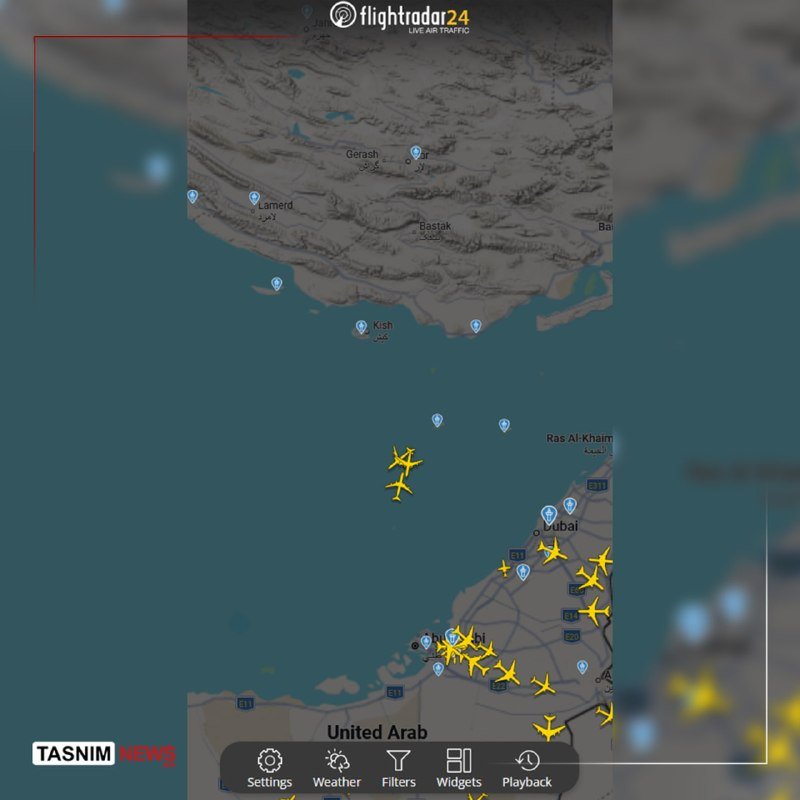
On 4 May 2026, EgyptAir announced the immediate suspension of all flights to three major Gulf hubs — Dubai, Abu Dhabi, and Sharjah — citing instructions from Egyptian authorities, according to reports carried by Iran's Tasnim News Agency and Arabic-language wire services. The airline provided no public timeline for resumption. Passengers with existing bookings faced sudden cancellations with no stated compensation framework.
The suspension, covering routes operated daily by EgyptAir and its subsidiary EgyptAir Express, removes Cairo's primary direct air link to the United Arab Emirates. For thousands of Egyptian nationals working in the UAE — a labour corridor that has underpinned Cairo's foreign-currency earnings for two decades — the grounding of flights is not merely an inconvenience. It is an economic disruption with few immediate alternatives.
What Triggered the Decision
The immediate cause remains officially unexplained. Egyptian civil aviation authorities have not issued a public statement beyond confirming the suspension was ordered from above. The UAE's General Civil Aviation Authority similarly declined to comment through official channels.
Speculation centres on a bilateral diplomatic dispute, though neither government has confirmed the nature or subject of the disagreement. Two broad theories are circulating in regional wire reporting: that the UAE had requested extradition or travel restrictions on individuals Cairo considers politically sensitive, and that the suspension is tied to a broader realignment of Gulf financial flows away from Egyptian assets. Both accounts remain unverified, and the Egyptian transport ministry has not engaged with either narrative.
Aviation as a Pressure Point
Air routes between capital cities are rarely suspended without significant political reason. The Egypt-UAE corridor carries freight beyond passengers — cargo bellies on passenger aircraft include time-sensitive exports and imports that feed into both countries' foreign-trade statistics. The suspension effectively cuts that supply chain at the airline level.
Historically, aviation restrictions serve as both signal and instrument in Gulf diplomatic disputes. The precedent is well-established: when Qatar Airways was blocked from Gulf airspace following the 2017 blockade, the airline was forced into costly reroutings that altered its operational economics for years. EgyptAir's suspension to the UAE is of smaller scale but follows the same logic — using civil aviation connectivity as leverage in a dispute that remains off the public record.
The absence of an official explanation creates a vacuum that competing narratives fill quickly. Regional wire services have noted the timing coincides with shifting alignments in Cairo's foreign policy, particularly its recalibration of relationships with actors in the Gulf Cooperation Council. How Egypt positions itself in relation to Saudi-led initiatives versus Iranian outreach has implications for UAE security calculations, and the aviation suspension may be a visible manifestation of tensions that have built over months of quiet disagreement.
What Remains Unclear
EgyptAir has not indicated whether the suspension affects cargo operations, which operate under a separate regulatory framework. If cargo flights continue, the economic disruption will be somewhat contained. If both passenger and freight services are halted, the impact on bilateral trade will deepen within weeks as existing inventory depletes.
Neither government has communicated a resumption timeline. Industry observers are watching whether other Gulf carriers — Emirates, Etihad, and Wizz Air Abu Dhabi — reciprocate or maintain their Cairo routes, which would indicate whether the dispute is unilateral or mutual. At present, Emirates and Etihad schedules show no changes to UAE-Egypt operations as of publication.
The underlying diplomatic trigger, whatever it is, has not been disclosed by either side. The lack of official framing leaves the incident vulnerable to interpretation that may or may not reflect the actual state of bilateral relations. Until Cairo or Abu Dhabi offers a substantive explanation, the suspension reads primarily as a visible rupture in a relationship that both capitals have a strong interest in repairing quickly.
Stakes and Trajectory
Egypt depends heavily on worker remittances flowing through Gulf routes, and the UAE is a major destination for Egyptian skilled labour in finance, construction, and services. If the suspension persists beyond a few weeks, the foreign-currency pressure on Egypt's central bank will intensify at a moment when Cairo is already navigating IMF programme conditionality and a dollar-availability crunch in domestic markets.
For the UAE, the immediate cost is lower — Egypt is a significant market but not a critical aviation node. However, ejecting Cairo's national carrier from UAE airspace risks inviting reciprocal action against Emirati airlines serving Egyptian routes, which would disrupt the considerable volume of business travel and tourism that flows both directions.
The incident sits within a broader pattern of Gulf capitals using aviation and financial connectivity as diplomatic instruments when political relationships sour. The absence of a public dispute mechanism means the resolution, if it comes, will likely be quiet and unannounced — leaving the public and the industry to infer normalisation from resumed schedules rather than formal agreement. Whether EgyptAir returns to UAE airspace within days or months depends entirely on behind-the-scenes negotiations that remain, for now, out of public view.
The thread carrying this story appeared across regional wire services within minutes of each other on 4 May 2026, with Iranian state-adjacent outlets carrying the English-language version first. Monexus notes that Western wire services had not published the story as of article filing, leaving the initial reporting to Gulf-adjacent regional outlets.
Wire provenance
This editorial synthesis draws on the following public wire/social posts:
- https://t.me/alalamarabic/58421
- https://t.me/tasnimnews_en/48223
- https://t.me/JahanTasnim/39714