Fire Consumes 100 Hectares of Reeds at Miqan Arak Wetland in Central Iran
A fire described as large burned across roughly 100 hectares of reed beds at the Miqan Arak Wetland on Tuesday, according to Iranian crisis management officials. The incident highlights the acute pressures facing Iran's inland wetlands, many of which have shrunk dramatically over recent decades.
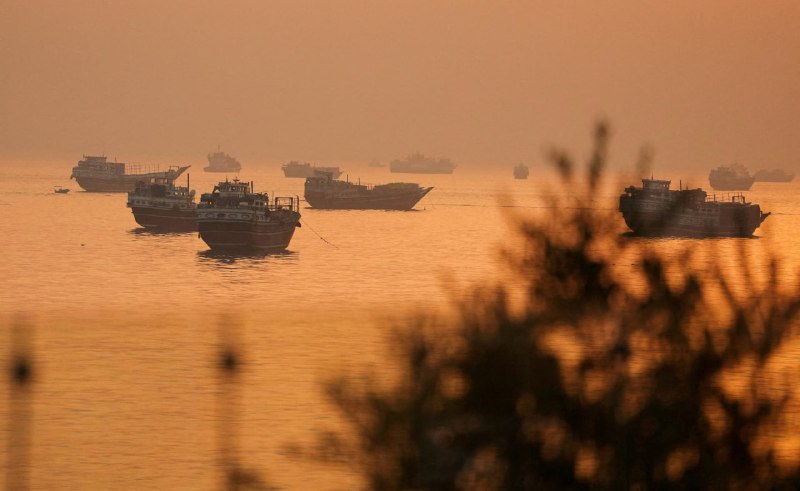
A fire described as large burned across roughly 100 hectares of reed beds at the Miqan Arak Wetland in Iran's Central Province on Tuesday, 5 May 2026. Crisis management officials in the Central Governorate confirmed the blaze began around 14:00 local time and spread through the reeds surrounding the wetland area. The incident drew immediate attention as yet another blow to an ecosystem that conservation groups have long flagged as under severe stress.
The scale of the damage places this fire among the more significant wetland losses Iran has recorded in recent years. Reeds and wetland vegetation serve as critical habitat for migratory birds, act as natural water filtration systems, and help stabilize soil against erosion. When large sections burn, the effects can ripple through local biodiversity and the communities that depend on the wetland for water management and agriculture. Iranian authorities did not report any casualties by late Tuesday evening, and the status of firefighting operations remained unclear from available accounts.
The Wetland Under Pressure
Miqan Arak Wetland—also rendered Mighan Arak in some transliterations—is one of a shrinking number of inland wetlands in Iran's arid interior. The country has seen a broader pattern of wetland loss over recent decades, driven by a combination of prolonged drought, agricultural water demand, and infrastructure projects that redirect surface water away from natural basins. The Central Province, where Miqan Arak sits, has experienced particularly erratic precipitation patterns, with multi-year dry spells interrupted by brief wet periods that do not fully replenish water tables.
Wetlands in this part of Iran have historically served as buffers against dust storms that plague the broader plateau region. As vegetation cover declines, the exposed organic soils become more susceptible to ignition—whether from natural causes, agricultural burning, or accidental sparks. The intersection of drying land and human activity creates conditions where fires can spread rapidly once they start. Iranian environmental officials have repeatedly warned that the loss of wetland vegetation accelerates land degradation in surrounding areas, contributing to air quality problems in nearby towns.
Response Capacity and Official Accounts
The Director General of Crisis Management for the Central Governorate provided the most specific account available, confirming the fire started at approximately 14:00 and had burned through an area described as 100 hectares. Crisis management officials in Iran operate under provincial authorities and coordinate with national emergency response structures, though their resources for fighting wetland fires vary significantly by season and budget cycle. During peak drought periods, firefighting aircraft and equipment that might otherwise be deployed to such incidents are often stretched across multiple concurrent emergencies.
Available reports did not specify the cause of the fire by late Tuesday. Iranian officials frequently attribute such incidents to a mix of natural and human factors, with deliberate arson and accidental ignition both cited in past incidents. Without independent verification of conditions on the ground, the official framing of events serves as the primary available record. The degree to which climate conditions or resource constraints affected the response effort also remains unclear from current reporting.
A Broader Pattern in Iranian Ecology
The Miqan Arak fire fits into a documented trend of wetland degradation across Iran that has attracted attention from both domestic environmental groups and international conservation organizations. Several of the country's major lakes and wetlands—including Lake Urmia, once one of the largest hypersaline lakes in the world—have experienced dramatic shrinkage, though some targeted restoration efforts have shown limited results in slowing the most severe declines. The loss of reed beds specifically affects species that rely on dense wetland vegetation for nesting and foraging, and the knock-on effects can alter predator-prey dynamics across the broader regional ecosystem.
This context does not by itself explain Tuesday's fire, but it frames the stakes. Each incident of habitat loss tightens the margin for recovery. Iran's water management challenges are structural—stemming from a combination of geographic constraints, population distribution, and agricultural policies that have historically prioritized expanding cultivation in water-scarce regions. The government has announced various conservation initiatives over the years, but implementation has been inconsistent, and enforcement of environmental protections in provincial areas often depends on local political priorities and funding availability.
What Remains Unknown
Several aspects of Tuesday's fire cannot be confirmed from current sourcing. The cause remains officially unstated. Whether the 100-hectare estimate reflects the area initially burning or a more complete accounting of damage is unclear. The status of firefighting operations—whether crews contained the blaze, whether it spread further after the initial reports, and whether any wildlife mortality has been documented—does not appear in available accounts. The degree to which the Central Province Crisis Management department has the resources and equipment to mount an effective response to a fire of this scale also cannot be independently verified from current reporting.
Readers relying on available information should treat the official framing as the provisional record while acknowledging these gaps. The incident will likely receive further coverage as Iranian state and provincial outlets update their reporting on containment efforts and damage assessments.
Monexus is covering this fire as an environmental incident with regional ecological stakes rather than as a political story. The wire framing from Iranian state sources provides the factual baseline; independent verification of scale and cause remains outstanding.
Wire provenance
This editorial synthesis draws on the following public wire/social posts:
- https://t.me/mehrnews
- https://t.me/farsna