Trump Pauses Strait of Hormuz Operation, Citing ‘Great Progress’ on Iran Deal
The U.S. president suspended the ongoing military operation aimed at securing shipping lanes through the Strait of Hormuz, saying significant progress toward a comprehensive agreement with Tehran warranted a temporary ceasefire in hostilities.
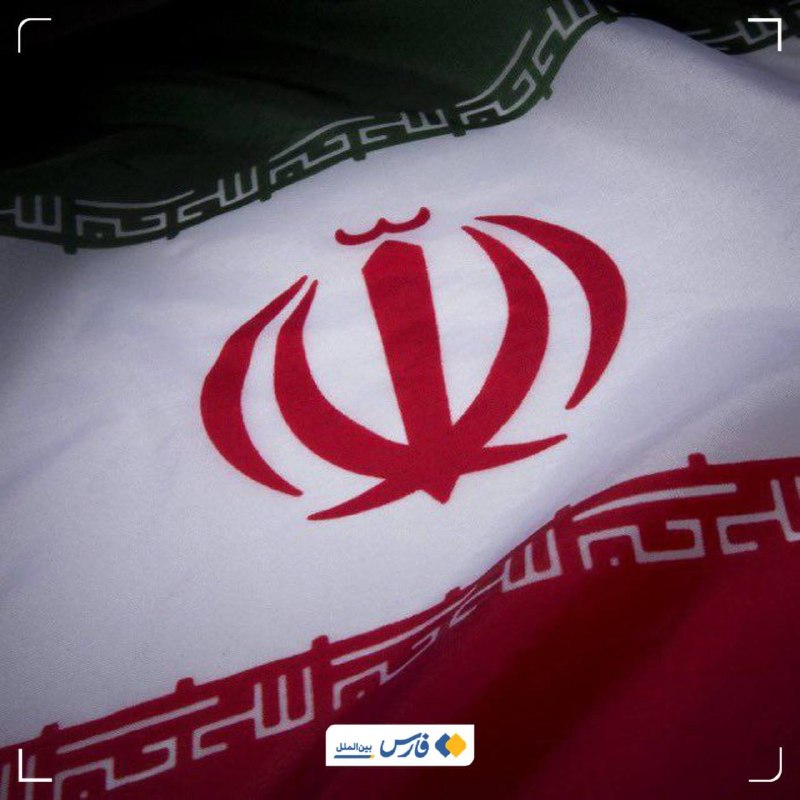
President Donald Trump announced on 6 May 2026 that the United States would temporarily pause Operation Project Freedom, the ongoing military mission to clear and secure shipping lanes through the Strait of Hormuz. Writing on his social media platform, Trump cited "great progress" toward a "complete and final agreement" with representatives of the Islamic Republic as the reason for the suspension. The announcement, confirmed by multiple wire outlets including Al Jazeera's breaking news desk, arrived on the sixty-eighth day of open conflict between Washington and Tehran.
The operation, launched in early March, was designed to restore transit through the Strait of Hormuz — the narrow waterway through which roughly a fifth of the world's oil flows. Several commercial vessels, including tankers chartered by Japanese and South Korean energy companies, had been stranded in the Persian Gulf and Gulf of Oman awaiting passage. Trump framed the pause as a direct response to requests from Pakistan and unnamed allied governments, though the specific diplomatic exchanges that preceded the announcement remain undisclosed in public channels.
Market Reaction
The announcement produced an immediate and measurable relief rally in global equities. The MSCI World Index reached a record high as investors weighed the prospect of a sustained de-escalation against a background of elevated geopolitical risk. Brent crude futures retreated by approximately four percent in the hours following Trump's statement, reflecting market expectations that a negotiated settlement would restore normal tanker traffic through the strait. The price retreat was modest by historical standards, however — traders noted that any deal with Iran remains subject to verification challenges and domestic political resistance in Tehran that have defeated previous diplomatic initiatives.
The correlation between ceasefire announcements and short-term oil price movements is well-documented in commodity markets. The dynamics in this case are complicated by the fact that Iranian oil exports have already been substantially disrupted by the conflict and by secondary sanctions on third-country buyers. A final agreement would not automatically restore those volumes — Iranian production capacity has degraded during the fighting, and the timelines for resuming pre-conflict export levels are uncertain.
The Iran Calculus
Senior U.S. officials have offered conflicting assessments of where the negotiations stand. Secretary of State Marco Rubio told reporters that the conflict with Iran is effectively "over," a characterization that drew immediate skepticism from regional analysts. Iranian state media has not confirmed Rubio's characterization, and the language emerging from Tehran in recent days has emphasized the right to continued resistance activities in the Gulf. The gap between the American framing — progress toward a "complete" deal — and the Iranian framing — a temporary tactical pause — is significant and has not been resolved in public disclosures.
The sixty-eight-day timeline of the conflict provides context that is often lost in shorthand references to "talks." The fighting has included direct U.S. naval engagements in the Gulf, Israeli strikes on Iranian nuclear-adjacent infrastructure, and retaliatory missile launches from Iranian proxies in Iraq and Yemen. The human and material costs of that period have not been fully assessed in open sources. What is clear is that both sides have sustained enough damage to create incentives for a negotiated endpoint — but not enough to foreclose continued posturing over the terms of any settlement.
Structural Stakes
The Strait of Hormuz has long served as a pressure point in U.S.-Iranian competition. Iranian officials have periodically threatened to close the waterway in response to sanctions or military pressure, though sustaining such a closure against a determined U.S. naval presence has proven operationally difficult. The current episode is unusual in that it began with a U.S.-led effort to actively manage and secure transit rather than simply deter interference — a more ambitious posture that carried higher risk of direct confrontation.
For global energy markets, the strait's functional status matters more than its formal legal status. Ships need assurance of safe passage; insurance markets need predictable risk assessments; refineries in Asia and Europe need reliable supply chains. The temporary pause signals that the U.S. is willing to manage the strait's security through negotiation rather than sustained military dominance — an approach that carries its own set of vulnerabilities. Should talks collapse, the operation would need to resume under conditions where Iranian forces have had time to regroup and potentially recalibrate their defensive posture.
For the moment, the immediate crisis has been deferred. Whether the deferral leads to a durable settlement or merely a more sophisticated phase of the same contest will depend on details — inspection regimes, sanctions relief timelines, Iranian nuclear programme constraints — that remain undisclosed. The sources reviewed for this article do not include the full text of any proposed agreement, and caution is warranted before treating the announcement as the end of a conflict rather than its most recent chapter.
This publication compared wire coverage of the Hormuz operation through the lens of commercial shipping risk and energy market reaction, alongside regional reporting on Iranian diplomatic positioning — a frame that foregrounds the structural interdependence of Gulf security and global economic stability rather than treating the episode as purely a test of military resolve.
Wire provenance
This editorial synthesis draws on the following public wire/social posts:
- https://t.me/euronews
- https://t.me/hromadske_ua