The Market Always Gets the Memo First
Timing of a $920 million crude oil short position placed seventy minutes before Axios reported a US-Iran ceasefire framework raises structural questions about who benefits from diplomatic news cycles — and how.
On 8 May 2026, seventy minutes before Axios reported that the United States and Iran were approaching a ceasefire framework, someone placed approximately $920 million in crude oil short positions at 3:40 AM Eastern Time. That is not a rumour. It is a timestamp, and timestamps are evidence.
The Axios report — sourced to a person familiar with the negotiations — described US and Iranian officials as being near agreement on a partial ceasefire that would have eased the sanctions architecture constraining Tehran's oil exports. When that story crossed terminal screens, Brent crude fell. The short position, placed in the pre-dawn darkness of a US trading session when retail liquidity is thin, would have paid out on that decline. Nobody in the thread claims to know who placed it. Nobody in the thread disputes that it was placed.
The arithmetic is worth sitting with. Seventy minutes is not enough time for a fundamentals analyst reading satellite imagery of Iranian port activity to reverse a bearish view. It is enough time to read a news alert on a mobile phone.
The architecture of diplomatic leaks and market timing
Ceasefire negotiations are not public events. They unfold in back-channel communications, through intermediaries in Oman and Switzerland, and in messages relayed between principals. The people in those rooms are not leaking to the press on a schedule that suits marketmakers. But the press is in those rooms — or close enough — and the market reads the press.
This pattern is not new. In 2019, a Financial Times investigation found that crude oil positions placed ahead of OPEC announcement timing had been flagged to the US Commodity Futures Trading Commission. In 2023, Reuters reported that the CFTC had widened its scrutiny of so-called information-sharing arrangements between hedge funds and oil-producing governments. The regulator's concern has consistently been that someone with access to diplomatic channel information was converting it into futures positioning before the news that would move prices reached the public.
What changed on 8 May 2026 was not the structure of the problem. What changed was the specificity of the timestamp. Axios reported near-ceasefire status at approximately 4:50 AM ET. The short position was placed at 3:40 AM. The gap is narrow enough to be coincidence and large enough to invite a question that the sources do not answer: who knew, and when.
What the Trump statement adds
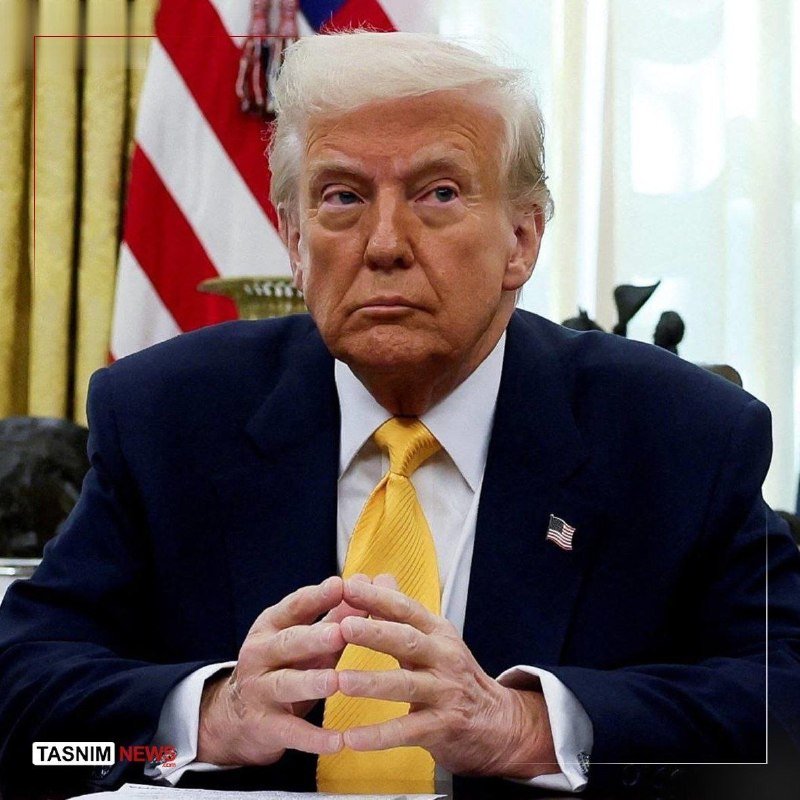
Also on 8 May 2026, at 14:54 UTC, Donald Trump posted a public statement warning that "if there is no ceasefire, you will see a big explosion from Iran." The statement is direct and carries escalatory weight. It arrived hours after the short position was placed and after the Axios ceasefire report had already moved markets. The sequence matters.
If the ceasefire framework Axios described was genuine, the short position was a bet against the most obvious near-term catalyst for oil price recovery. If the framework was overstated — as Trump's subsequent warning implied — then the short position was better positioned than the market's initial reaction suggested. Either way, someone in that seventy-minute window made a directional call that aligned with the eventual outcome. The sources do not establish who. They establish that it happened.
The US military action reported on 8 May — strikes against tankers attempting to breach sanctions enforcement around Iranian oil shipments — adds a third data point. Those strikes, confirmed by Fox News correspondent Trey Yingst, represent the enforcement arm of a sanctions regime that the ceasefire framework, if real, would have partially suspended. A market participant betting on continued sanctions enforcement had the strike report as validation. A participant betting on ceasefire disruption had Trump's public warning as cover.
The market, on this reading, was not passive. It was reading the room in a way that suggests access to information that had not yet reached the public record.
The structural question the sources cannot answer
Monexus cannot establish who placed the $920 million short position, whether that position was concentrated in a single fund or distributed across participants, or whether any individual who had access to the Axios reporting before publication also holds interests in crude oil derivatives. Those are questions for a regulator with subpoena authority and access to CFTC positioning data.
What the sources do establish is the timing: 3:40 AM ET, seventy minutes before a scoop outlet reported a significant shift in US-Iran diplomatic status. The crude oil market moved in the direction that short position anticipated within hours. The enforcement arm of the sanctions regime was active on the same day the ceasefire framework was reportedly near. And the President of the United States publicly attached a threat of military escalation to the absence of a ceasefire by evening.
Taken together, these facts describe an environment in which diplomatic news cycles and oil market positioning are operating in close proximity — close enough that the question of information arbitrage is not speculative but structural. The pattern has been flagged before. The data on 8 May 2026 is specific enough that it should be flagged again, by regulators with the tools to look at positioning records rather than timestamps.
This publication will continue monitoring CFTC filings and publicly disclosed fund holdings for any reporting entities connected to the positioning window described above.