Israeli Airstrikes Hit Southern Lebanon Towns as Tensions Escalate
Israeli forces conducted a wave of airstrikes across southern Lebanon on the morning of 16 May 2026, targeting at least two towns as cross-border hostilities showed no sign of abating.
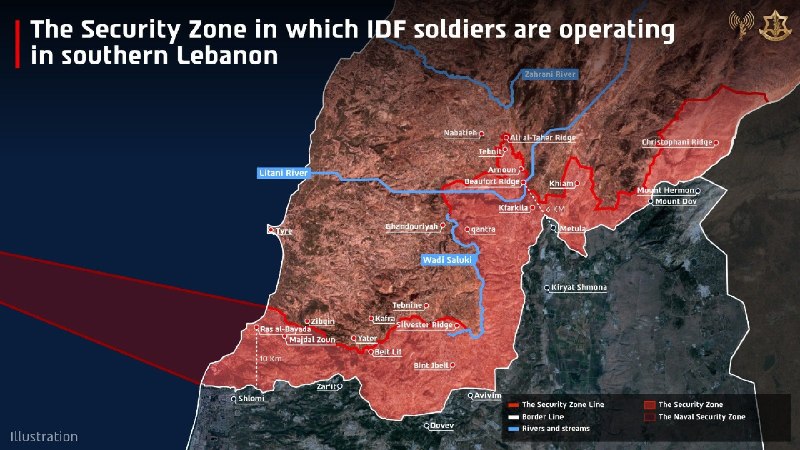
Israeli forces carried out a sustained wave of airstrikes across southern Lebanon on the morning of 16 May 2026, according to initial reports from the region. Among the locations struck were the town of Al-Shahabiyah and the nearby community of Habboush, both situated in southern Lebanon. Footage circulating from the affected area showed the aftermath of at least one strike, with smoke visible over the town of Al-Shabshabiyeh.
The strikes mark an intensification of an already volatile situation along the Israel-Lebanon border, where cross-border exchanges have been ongoing since October 2023. IDF operations in southern Lebanon have continued at pace in recent months, with the stated aim of neutralising Hezbollah infrastructure and preventing attacks on Israeli territory. Lebanese state media and regional sources have documented the strikes in real time, though the full scope of damage and any casualty figures from the 16 May strikes remain unconfirmed by international wire services at time of publication.
Immediate Context and Civilian Exposure
Southern Lebanon has been subject to regular Israeli air activity throughout the current phase of hostilities. Al-Shahabiyah, located in the Nabatiyeh governorate, sits within a belt of towns and villages that have borne the brunt of IDF targeting logic — areas from which Hezbollah has traditionally operated and which the Israeli military has designated as staging zones. Habboush, further west in the Tyre district, lies closer to the coastline and has appeared in prior strike reporting as well.
The civilian population density in this corridor is significant. UN agencies and humanitarian organisations have repeatedly flagged the cumulative toll on non-combatants from sustained air operations in southern Lebanon — families displaced from villages, agricultural land rendered inaccessible, and infrastructure including health clinics and schools damaged or destroyed over the course of the conflict. The strikes reported on 16 May occurred in the early morning hours, a pattern that raises particular concerns about civilian readiness and warning times in residential areas.
Hezbollah's Posture and the Calculation of Escalation
Hezbollah has maintained a quasi-integrated defensive posture across southern Lebanon, with fighters embedded in villages and relying on topographical advantages in the hilly terrain east of the Litani River. Since the ceasefire discussions stalled in early 2026, the group has signalled willingness to continue low-intensity retaliation — targeting Israeli military positions along the border in response to IDF incursions — while avoiding actions that would provoke a full-scale ground operation. Whether the strikes of 16 May represent a deliberate Israeli effort to reset that equilibrium, or a response to specific intelligence about weapons activity in the targeted towns, has not yet been clarified by the IDF Spokesperson's unit.
Israeli security doctrine holds that strikes on suspected weapons depots, observation posts, and command-and-control nodes near the border are defensive in nature — designed to degrade Hezbollah's capacity without the political and military costs of a ground incursion. The timing of the 16 May wave, coming hours after a reported exchange of fire near the eastern sector, suggests the strikes may have been triggered by intelligence rather than being part of a pre-planned operation. Neither side has issued formal casualty assessments as of late morning UTC on 16 May.
Structural Dynamics: Air Superiority and Border Enforcement
Israel's continued ability to mount precision strikes deep into Lebanese territory reflects a persistent asymmetry in the conflict. The Israeli Air Force maintains near-complete dominance of the airspace above Lebanon — an advantage that has been reinforced by US and European diplomatic cover for Israel's operations throughout the current phase. Hezbollah's air-defence inventory, while substantially expanded since 2006, remains insufficient to pose a credible interception threat to fast-moving IDF aircraft conducting strikes from altitude.
That asymmetry shapes the strategic calculus for both sides. Hezbollah's leadership understands that a conflict fought primarily through rockets and missiles is one it can sustain indefinitely — provided the political cost to Israel of sustained exchanges remains manageable. Israel's leadership, conversely, faces domestic pressure to demonstrate that the Iron Dome shield and offensive operations are sufficient to contain the threat without triggering a wider war that would require ground troops. The 16 May strikes appear calibrated to that pressure: targeted enough to avoid international condemnation on the scale of an urban bombardment, yet visible enough to signal continued resolve.
The absence of a binding ceasefire framework — with Washington and Paris having failed to broker a lasting agreement in the spring negotiations — leaves both parties operating in a grey zone where strikes are periodic but a comprehensive offensive remains subordinated to wider political calculations. The strikes of 16 May, while damaging, have not crossed the threshold that would plausibly trigger a change in Hezbollah's retaliatory posture.
What Remains Unconfirmed
The sources available at time of publication do not include casualty figures from the 16 May strikes. Lebanese health authorities have not issued a statement on civilian or combatant losses from the Al-Shahabiyah and Habboush strikes. IDF Spokesperson confirmed the operation but provided no geographic breakdown of targets or impact assessment. Regional wire services were still verifying the footage circulating from southern Lebanon as of 11:00 UTC on 16 May. The strategic intent behind the timing — whether triggered by a specific threat indicator or a deliberate ratcheting of pressure — remains subject to interpretation pending official statements from both sides.
Monexus has documented IDF air activity in southern Lebanon since October 2023. Wire coverage of the current strikes is being updated as more information becomes available from regional correspondents.
Wire provenance
This editorial synthesis draws on the following public wire/social posts:
- https://t.me/wfwitness/24761
- https://t.me/wfwitness/24758
- https://t.me/wfwitness/24749