Britain's Calculated Silence: What the Think Tank Reports Reveal About UK Strategy on Iran
Reports from two British military think tanks and the UK Parliament suggest a deliberate strategic divergence from Washington's posture on Iran — a divergence rooted in economic interests, intelligence assessments, and post-Brexit diplomatic recalibration.
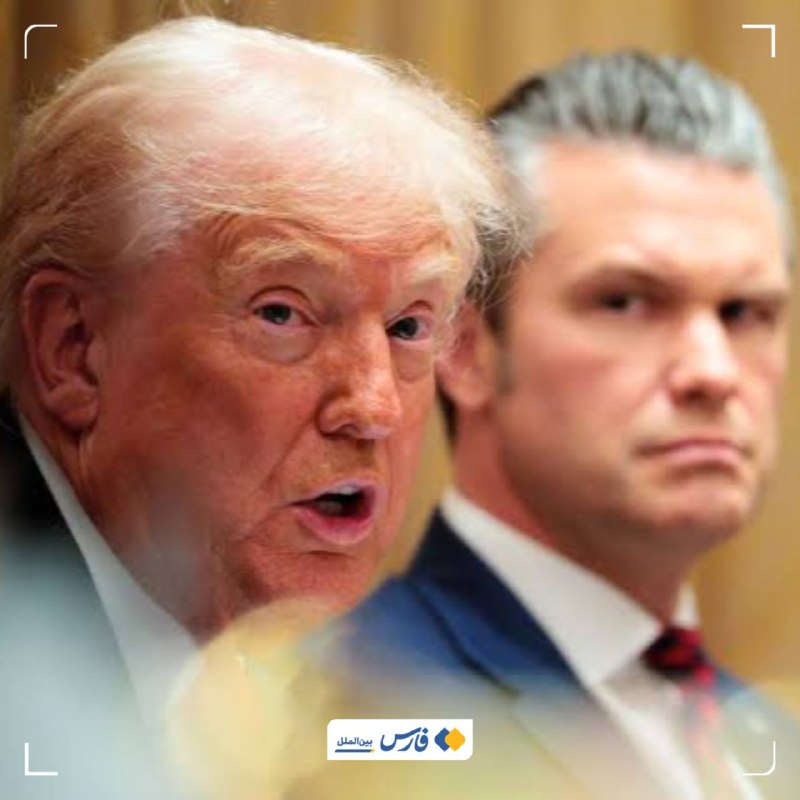
When Fox News reported on 16 May 2026 that Britain had declined to join a potential US-led military campaign against Iran, the revelation prompted a familiar question in Western policy circles: why would a NATO ally opt out of a declared adversary's targeting list? The answer, according to two military think tank reports and a UK Parliament assessment cited by the network, lies less in sentiment than in strategy.
British defence institutions have consistently produced assessments that run counter to the hawkish consensus emanating from Washington. Those reports — one from a prominent London-based military think tank, another from a parliamentary defence committee — document a strategic calculation in which the costs of direct military engagement with Iran outweigh the anticipated benefits. The sources do not suggest isolationism. They describe a preference for economic pressure, diplomatic isolation, and intelligence-led operations over the large-scale force deployment that US planners have discussed.
The divergence is not new. British intelligence services have long maintained that regime-change operations in the Middle East produce unpredictable second-order effects that outweigh immediate gains. That assessment, reflected in documents from the UK Parliament's defence committee, positions Iran differently than Washington frames it: as a diplomatic and economic problem requiring sustained containment, not a target for surgical or massed strike operations.
What the think tank reports highlight is a gap between alliance solidarity and national interest that post-Brexit diplomacy has widened rather than closed. Britain's trade relationship with Gulf states — many of which maintain cautious economic ties with Tehran — creates exposure that a direct strike would foreclose. UK energy firms and financial institutions have interests in sectors that a wider regional conflict would destabilise. Those interests do not disappear because an American ally frames Iran as an existential threat.
There is also the question of capability. British armed forces have been restructured over two decades of continuous deployment, with defence budgets under persistent pressure. The reports suggest that UK military leadership assessed the force requirements for sustained operations against Iran as beyond current capacity without significant national mobilisation — a politically sensitive conclusion that neither the think tanks nor the Parliament committee have dressed in diplomatic language.
The counterargument, as it exists in US policy circles, frames British reluctance as alliance erosion. A military campaign without UK participation would lack certain logistical advantages and political legitimacy that a NATO-wide operation provides. American strategists who have argued for a more aggressive posture toward Tehran have long noted that partner nations carry diplomatic weight disproportionate to their force contributions. Britain's calculated silence, in this reading, signals an unwillingness to share the political costs of escalation.
The structural reality is more mundane than either framing suggests. Britain is making a cost-benefit calculation that prioritises its own economic corridors, its intelligence relationships, and its diplomatic flexibility over the demands of a close ally whose own strategic calendar does not align with London's. That is not betrayal; it is the basic function of sovereign foreign policy. The think tank reports and Parliament assessments, as cited by Fox News, are evidence that those calculations have been made explicit — and that British institutions are prepared to defend them.
What remains uncertain is whether the divergence signals a permanent recalibration or a temporary posture. US-UK intelligence sharing remains deep and continuous; the defence relationship has not ruptured. But the reports suggest a growing gap between the language of public solidarity and the language of internal assessment — a gap that British officials have no incentive to close until Washington recalibrates its own cost calculus.
The Fox News reporting, citing those two institutional assessments, offers a window into how Western alliance management works when a key partner decides that solidarity has a price ceiling. For now, Britain has named its price. Whether the United States finds that acceptable will define the near-term trajectory of the relationship.
This publication framed Britain's strategic posture as a sovereign cost-benefit calculation rather than alliance disloyalty, surfacing the institutional evidence — think tank reports and parliamentary assessments — that anchors the divergence in documented analysis rather than political sentiment.
Wire provenance
This editorial synthesis draws on the following public wire/social posts:
- https://t.me/FarsNewsInt/34521