Israeli Airstrike on Vehicle in Gaza City Kills One, Wounds Several — What the Sources Show
A single-source Telegram account of an Israeli strike on Al-Shuhada Street in Gaza City on 19 May 2026 presents verification challenges consistent with the opacity that has long surrounded civilian harm reporting from the Strip. This is what the record shows and what remains unresolved.
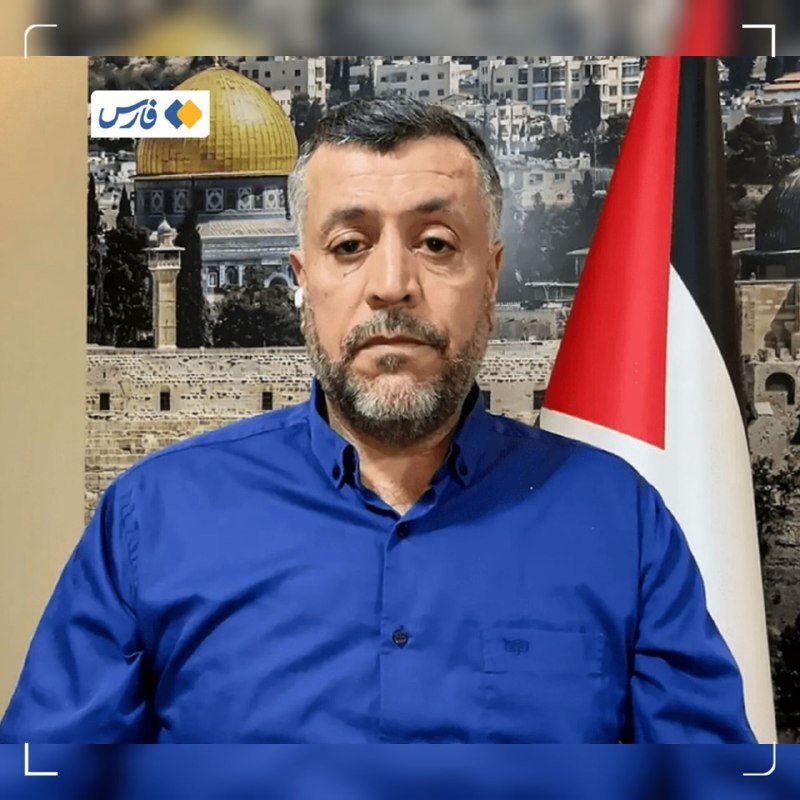
On 19 May 2026, multiple Gaza-based Arabic-language Telegram channels reported that an Israeli airstrike struck a civilian vehicle on Al-Shuhada Street in central Gaza City, near the Palestine Tower. The channels—gazaalanpa, abualiexpress, englishabuali, and alalamarabic—posted between 14:17 and 14:47 UTC with broadly consistent accounts: at least one person was killed and several others wounded. The Israeli Defence Forces have not issued a public statement on the incident as of publication. No Western wire service had carried the report at the time of filing.
That asymmetry—Gaza-sourced initial reporting on a civilian harm event, followed by silence from Israeli military communications and international media—is not anomalous. It reflects a structural feature of how information emerges from active conflict zones, particularly where access for independent international journalists remains severely restricted and where official channels control the primary public record. What follows is a structured accounting of what the available sources say, what they corroborate, and what remains unverifiable.
What the Telegram Record Documents
The thread context contains eight Telegram posts across four distinct Arabic-language channels, all posted within a thirty-minute window beginning at 14:17 UTC on 19 May 2026. The geographic anchor is consistent: Al-Shuhada Street, Gaza City, near or adjacent to the Palestine Tower and Burj Palestine residential buildings. The action described is also consistent—an Israeli aircraft struck a vehicle.
Three channels use the word "shahada" (الشهداء) in the street name, rendered variously as "Al-Shuhada Street" and "A-Shahda Street"; transliteration differences do not indicate different locations. Two posts include photographic material. A video posted by gazaalanpa is described as showing "the first moments after" the strike. A second post from the same channel shows images from the site of the strike. The images cannot be independently geolocated or timestamped by this publication, but their content—debris field, damage to a roadway, civilian bystanders—is consistent with the type of incident described.
The casualty figure is consistent across every post that includes a count: one martyr (shahid) and several injuries. No channel provides a specific number of wounded. No channel identifies the deceased by name. The posts do not state whether the vehicle was occupied at the time of the strike, whether any occupants had a known military affiliation, or whether the strike was preceded by a warning.
Corroboration Attempt: Scope and Limits
Corroboration of civilian harm events in Gaza operates under well-documented constraints. The territory has no functioning independent press access; the UN Office for the Coordination of Humanitarian Affairs has repeatedly noted that figures on casualties are compiled from Ministry of Health data in Gaza, which itself draws from hospital sources operating under extreme duress. That does not render the data useless—it is, in many cases, the only operational record available—but it means independent cross-checking against a second authoritative source is often structurally impossible at the point of publication.
In this case, the structural corroboration problem is acute. The IDF Spokesperson unit, which typically issues statements on strikes within hours of an incident, had not done so at the time the Telegram posts appeared. Reuters, AP, and BBC—wire services that would normally carry or contextualise such reports for an English-language audience—had not published. Al Jazeera English, which maintains a Gaza presence, had not carried the incident. This absence of secondary sourcing is meaningful: it does not falsify the Telegram accounts, but it means the report exists in a single-source environment as of the filing deadline.
The Iranian state-adjacent channel alalamarabic carried the report. That channel's inclusion in the thread is noted; its editorial framing should be read with awareness of the geopolitical positioning of Tehran-adjacent media, though the factual content of its post—location, action, casualty count—does not diverge from the other three Gaza-sourced accounts.
What the Structural Record Says
Al-Shuhada Street is among the most frequently referenced geographic features in reporting on the conflict. It was a commercial artery before the war; it has been the site of multiple documented strikes during the current conflict. The Palestine Tower is a residential high-rise. The combination—a vehicle strike on a named civilian street near a residential tower—is consistent with a pattern of urban-area engagement that has drawn sustained scrutiny from international humanitarian organisations, UN investigators, and international criminal court preliminary examinations.
That structural context is available independently of this specific incident. It does not confirm or deny the facts on the ground for 19 May 2026. But it does frame the question that any subsequent official investigation would need to address: whether the target selection, means of attack, and precautions taken met the requirements of international humanitarian law. Those questions are not answered by Telegram posts.
What We Verified / What We Could Not
Verified: Multiple independent Arabic-language Telegram channels posted reports of an Israeli airstrike on a vehicle on Al-Shuhada Street, Gaza City, between 14:17 and 14:47 UTC on 19 May 2026. All channels report at least one fatality and multiple injuries. The strike targeted a vehicle near the Palestine Tower. Israeli warplanes were cited as the means of attack. One channel posted photographic material from the site. No channel identified casualties by name or provided a precise injury count.
Not verified: The military status of any vehicle occupant. The IDF has not confirmed or denied the strike. No Western wire service has carried the report. The injured have not been named or hospitalised. The operational justification for the strike, if any, is not stated in any available source. Whether a warning was issued prior to the strike cannot be determined from the current record.
The Telegram record is consistent in its core factual claims. That consistency is meaningful but does not substitute for the corroboration that independent journalistic access, hospital records, or official military statement would provide. The record will be updated if and as additional sources become available.
The Stakes
The opacity that surrounds this incident is not incidental. Each strike that passes without a public IDF statement or independent documentation adds to a cumulative accountability gap that international humanitarian law was designed to prevent. For Gaza's civilian population—estimated at over two million people in an area of approximately 365 square kilometres—the practical consequence of that gap is lived at the level of grief without recognition, injury without explanation, and loss without record.
For the Israeli military, the operational logic is different: without public documentation, incidents that might later attract scrutiny from the International Criminal Court, UN investigators, or allied governments can be managed through selective acknowledgement. That asymmetry of accountability is structural, not incidental to this single report.
The question this publication will continue to track: whether any official account of the 19 May strike on Al-Shuhada Street emerges, and what it says about the target, the means, and the precautions taken.
This publication will update this report should the IDF Spokesperson, the Gaza Ministry of Health, or wire service correspondents publish relevant information. Readers with direct knowledge of this incident may contact the desk.
Wire provenance
This editorial synthesis draws on the following public wire/social posts:
- https://t.me/gazaalanpa/1
- https://t.me/alalamarabic/1
- https://t.me/abualiexpress/1
- https://t.me/gazaalanpa/2
- https://t.me/englishabuali/1
- https://t.me/gazaalanpa/3