The Art of the Simultaneous Deal: Trump's High-Stakes Diplomatic Gambit Exposes a Pattern
On the same day President Trump lavished praise on Turkey's president, dangled a Cuba opening, and declared Iran negotiations nearly complete, the structural logic beneath the performance deserves closer scrutiny than the headlines allow.
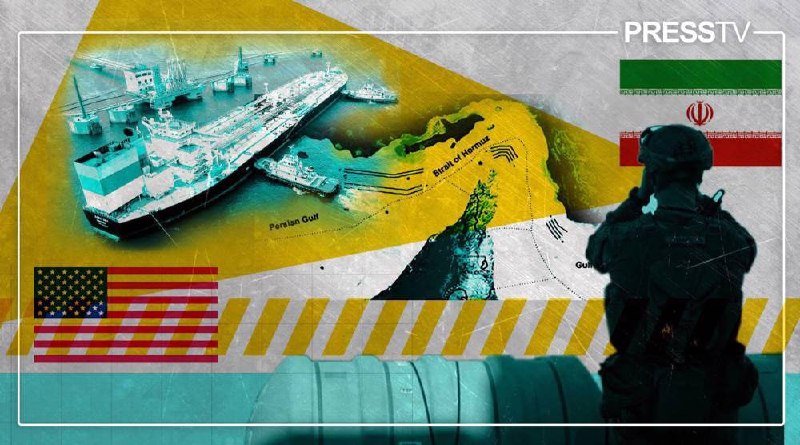
May 20, 2026. The Trump administration was simultaneously engaged with three very different audiences — Iran, Cuba, and Turkey — in what its principal described as the "final stages" of a deal. The simultaneity is the story.
In the space of roughly twelve hours on 20 May, the president told the press that the United States was in "final stages" of negotiations with Iran; that Iran was a "failed country" but one with "very good people" negotiating in good faith; that Cuba had "no food, no electricity, no way of living" but also potential for a relationship; and that he had just had a "very good call" with Turkey's President Erdogan, whom he described as "a tough guy" he was pleased to be dealing with. One market intelligence service serving the region reported that odds of US concessions on Iranian oil sanctions and frozen funds had "skyrocketed" in the preceding six hours.
The individual offers and threats are readable on their own terms. What warrants editorial attention is the package deal framing — the implicit message that all of these relationships are transactionally available, at the right price, for the right counterparties.
The Iran Calculus: Leverage or Capitulation?
The Iran dimension is the highest-stakes on offer. Trump administration officials have maintained — consistently, in public — that sanctions would not be lifted until a deal was reached. That sequencing is the official position. Yet the market signals from the same day suggest a more fluid situation on the ground. "The odds of President Trump making concessions to Iran regarding sanctions on oil and unfreezing of funds have skyrocketed," one regional intelligence service assessed, with those odds moving in the six hours prior to the briefing.
The dissonance is not trivial. If the public position is "no lifting until a deal," and market participants are reading an imminent concession, one of two things is true: either the market is wrong, or the sequencing promise is less fixed than the language suggests. A president who has repeatedly signalled impatience with the deal's timeline — "It goes very quickly. We're all ready to go" — is under domestic political pressure to show a win before midterm cycles intensify. That context shapes what "final stages" means in practice.
Cuba: Words Without a Policy
The Cuba paragraph was the thinnest of the three. Trump called the island "a failed country" with no food, no electricity, and "no way of living." He said he spoke with "reasonable people." He said there would be "no escalation." And then he moved on. There was no offer on the table — no framework, no easing of a single sanction, no stated objective beyond the observation that great people live there. This is the language of a posture, not a policy. It signals to a domestic Cuban-American constituency that the president is not asleep at the switch, while signalling to Havana that the door is not closed. That kind of simultaneous availability to two opposed audiences is a known diplomatic mode — but it is not the same as negotiating.
The Domestic Background: A Base Under Pressure
The diplomatic theatre unfolded against a disclosed domestic weakness. CNN reported on 20 May that Trump was "losing the most important demographic group for him" — white voters without higher education, the coalition that delivered his 2024 margin. The report noted that this was the demographic that "brought Trump to power." If accurate, the implication is straightforward: the transactional foreign policy posture is not merely ideological for this administration. It is also performative, calibrated in part for an audience of voters who want to see strength and wins rather than entanglement and moral commitment.
This creates a compounding pressure on any Iran deal. A bad deal — one that eases sanctions without durable constraints — is bad policy. A deal that can be packaged as a win is valuable electoral inventory. The two imperatives do not always point in the same direction.
The Transactional Frame: What It Reveals
The thread connecting Iran, Cuba, and Turkey is not ideological. It is not strategic in any conventional sense — there is no visible doctrine binding outreach to Tehran, Havana, and Ankara beyond this White House's demonstrated preference for personal relationships over institutional frameworks. What is visible is a communication style: the president deals with "tough people," and those tough people are, by definition, reasonable if they are dealing with him. The word "reasonable" appears in multiple briefings from the same day, applied to Iranian interlocutors, to the regime adjacent to Havana, to Erdogan.
This language has a domestic function. It positions the president as the adult in every room — capable of working with anyone, judge of who is reasonable, arbiter of acceptable behaviour. But it also carries a structural risk. If reasonableness is defined as willingness to deal with the United States on American terms, then the regime character of the counterpart is largely incidental to the analysis. A president who calls Iran a "failed country" and then describes its negotiators as people with "talent and brainpower" he is "pretty impressed with" is not incoherent — he is signalling that the label and the posture are separable. Other governments on the receiving end of US pressure are watching.
The deals may or may not get done. The Iranian negotiation may produce durable constraints or may produce the kind of temporary arrangement that buys time without resolving the structural tension. What is already legible is the method: personal chemistry, transactional openness, and a willingness to publicly signal concessions before they are formally on the table. Whether that maximises leverage or surrenders it depends entirely on what the counterparties conclude about American staying power.
That is the question the next few weeks will answer — and the market signals from 20 May suggest the administration may be less certain of the answer than its public posture implies.
Wire provenance
This editorial synthesis draws on the following public wire/social posts:
- https://t.me/ClashReport/184321
- https://t.me/ClashReport/184320
- https://t.me/Middle_East_Spectator/48211
- https://t.me/wfwitness/33492
- https://x.com/sprinterpress/status/1923456789123456789