Netanyahu and Trump Converge on Iran Nuclear Deal Draft; Strait of Hormuz Reopening on the Table
Israeli Prime Minister Benjamin Netanyahu said on 24 May 2026 he had spoken with President Donald Trump overnight about a memorandum of understanding that would pair concessions on Iran's nuclear programme with an arrangement to reopen the Strait of Hormuz, a vital global oil corridor that has seen intermittent disruption.
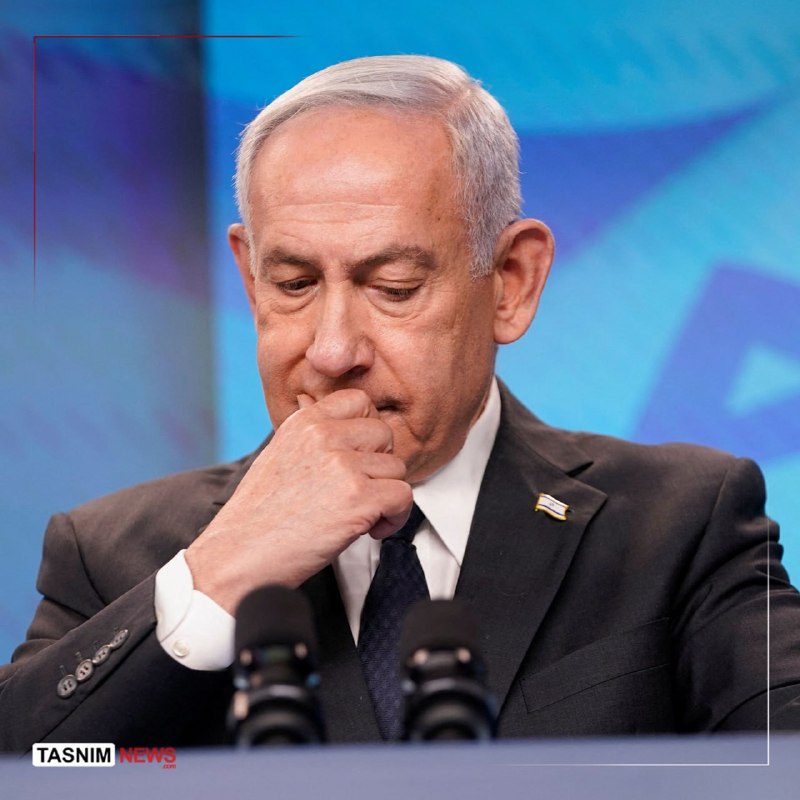
Israeli Prime Minister Benjamin Netanyahu said on 24 May 2026 he had spoken with President Donald Trump overnight about a memorandum of understanding that would pair concessions on Iran's nuclear programme with an arrangement to reopen the Strait of Hormuz, a vital global oil corridor that has seen intermittent disruption.
The announcement marks the most concrete public signal yet that the two leaders are preparing a negotiated framework touching two of the most volatile pressure points in Middle Eastern geopolitics simultaneously. Whether the pairing reflects strategic coherence or political convenience remains a matter of sharp disagreement among regional analysts.
The Terms on the Table
According to statements Netanyahu released through his office and corroborated across multiple regional wire channels, the memorandum would commit the United States and Israel to a coordinated posture on Iran's uranium enrichment activities in exchange for Tehran receiving guarantees — or at minimum, forbearance — tied to the resumption of commercial traffic through the Strait of Hormuz. The strait, which separates Oman from Iran, handles roughly 20 to 21 percent of global oil traded by sea, making any sustained closure a matter of direct consequence for energy markets from Singapore to Rotterdam.
Netanyahu's public framing was unambiguous. "We reached an agreement with Trump that Iran's nuclear threat must be eliminated," the Prime Minister said in a video distributed via his office's Telegram channel on 24 May. The statement was specific about the nuclear dimension but deliberately vague on what Tehran would receive in return — a pattern that critics say has characterised Israeli negotiating positions before, where maximalist public rhetoric is paired with undisclosed concessions at the table.
The Trump administration has not issued a parallel readout of the call as of the time of publication. The White House communications operation had not published a formal statement by 15:00 UTC on 24 May, leaving the contours of any American commitment subject to interpretation.
The Hormuz Variable
The decision to link the nuclear question to a Hormuz arrangement introduces a structural complication that analysts have flagged for months. Iran's periodic threats to the strait — and its demonstrated capacity to deploy naval assets and anti-ship missiles in the Persian Gulf — have historically been a lever exercised when Tehran felt cornered on other fronts. Embedding a Hormuz reopening as a quid pro quo inside a nuclear deal would, in effect, require Iran to believe that the alternative — continued disruption — is no longer cost-free.
Whether Iran accepts that calculus is far from certain. Iranian state media, when reporting on American pressure campaigns, typically frames such arrangements as extensions of economic warfare dressed in diplomatic language. Any memorandum that pairs sanctions relief with Hormuz normalisation would need to survive internal political scrutiny in Tehran, where hardliners and Revolutionary Guard-aligned factions retain significant influence over foreign-policy decisions.
The sources reviewed for this article do not include a formal Iranian response to Netanyahu's specific announcement as of 24 May 2026. That absence is itself notable: Tehran's typical response latency on major regional announcements tends to be measured in hours rather than days, suggesting either deliberate delay or a decision calculus still in play.
What the Architecture Reveals
The structural logic of what Netanyahu described is not difficult to trace. A nuclear agreement without Hormuz guarantees leaves Iran a secondary lever — the ability to threaten transit at moments of future tension. A Hormuz reopening without nuclear constraints removes the most durable Western rationale for pressure. Linking the two creates mutual dependency: neither side gets full satisfaction of its primary objective, which is precisely the condition that sometimes makes deals durable.
This is not a novel playbook. Diplomatic frameworks across the Hormuz corridor have historically tried and failed to separate the nuclear question from the broader regional security architecture. What distinguishes the current moment is the personal chemistry between two leaders who each face domestic political pressures that a visible diplomatic win would help relieve. Netanyahu is navigating a coalition government under persistent strain; Trump, returning to the White House in 2025, has made transactional Middle Eastern deals a signature claim.
Whether that political alignment produces a stable arrangement or a provisional ceasefire dressed as a treaty is the central question the coming weeks will test.
The Road Ahead
The immediate path runs through three checkpoints. First, the text of the memorandum itself — whether it exists as a signed document or an agreed set of principles — remains undisclosed. Second, Iran's response, when it comes, will signal whether the framework has any purchase inside Tehran's decision circles. Third, the reaction from Gulf Arab states, particularly Saudi Arabia and the UAE, who have their own interests in Hormuz transit but complicated relationships with both the nuclear logic and the bilateral nature of the arrangement.
For energy markets, the stakes are immediate. A credible path toward Hormuz normalisation would reduce the risk premium currently embedded in crude prices for a shipping disruption scenario. A breakdown would reintroduce that premium rapidly, with cascading effects on inflation expectations in importing economies.
The sources do not provide a timeline for when a formal document might be presented or submitted to any legislative body for review. American constitutional convention would require any binding treaty to go to the Senate; a memorandum of understanding, by contrast, carries no formal ratification requirement — which is likely why the two sides havegravitated toward that nomenclature.
This publication will continue to track developments as they are reported from Jerusalem, Washington, and Tehran.
Wire provenance
This editorial synthesis draws on the following public wire/social posts:
- https://t.me/FarsNewsInt/54782
- https://t.me/GeoPWatch/31891
- https://t.me/wfwitness/22984
- https://t.me/abualiexpress/44567