Qassem's Defiance: Hezbollah Rejects Disarmament as Lebanon's Political Fault Lines Widen
Hezbollah's secretary-general has publicly rejected disarmament demands and criticized Lebanese authorities, intensifying pressure on a government already struggling to maintain sovereignty amid regional tensions.
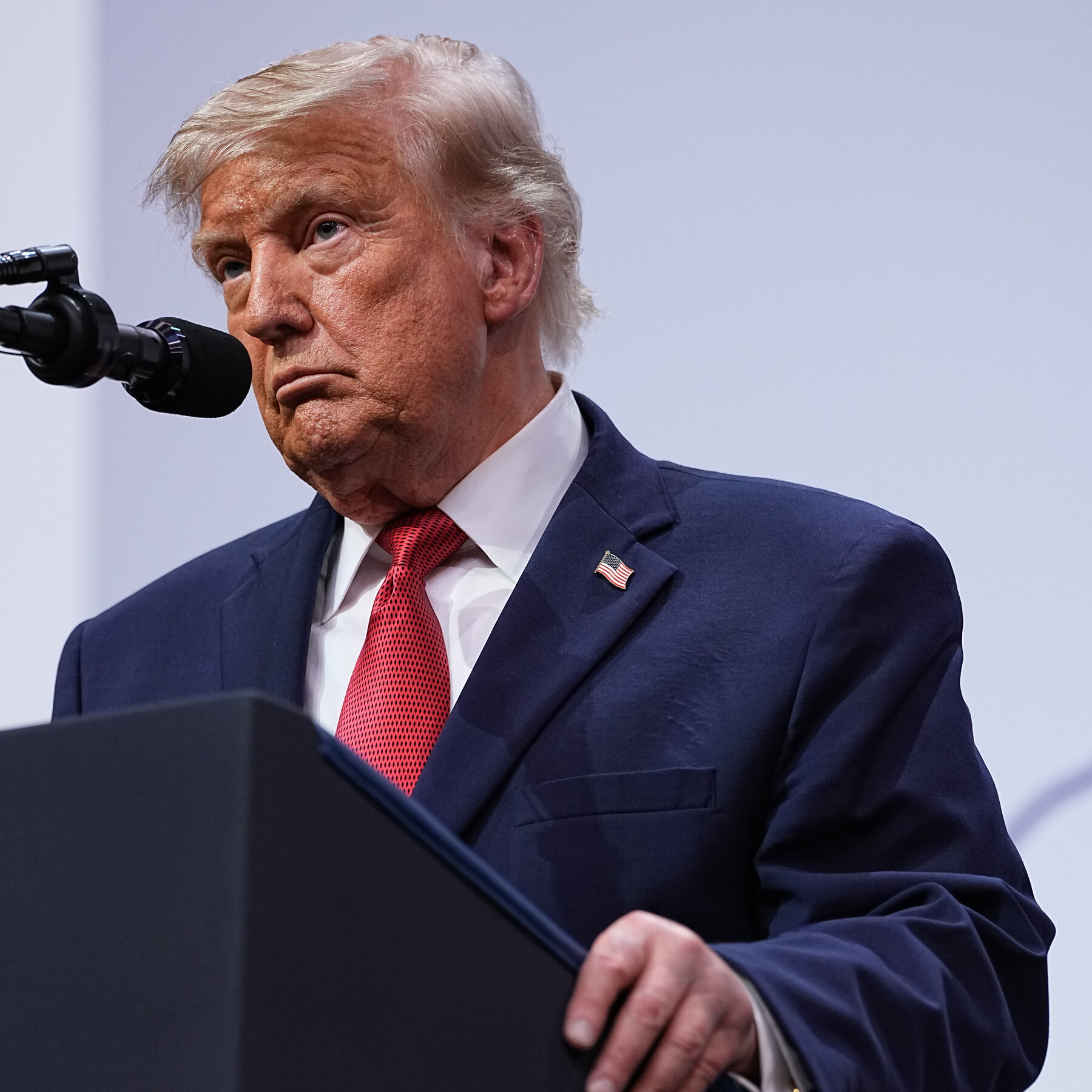
Hezbollah's secretary-general Naim Qassem delivered a sharp rebuke to disarmament advocates on 24 May 2026, rejecting efforts to strip the group of its weapons and directing fresh warnings at Israel and its Western allies. The statements, reported by the Palestine Chronicle, represent the most direct articulation of Hezbollah's position since the ceasefire framework governing southern Lebanon came under renewed strain.
Qassem's remarks frame resistance as an ideological imperative rather than a negotiating chip. According to a transcript cited by the Palestine Chronicle, he described resistance as "the fruit of the leadership of Sayyed Hassan Nasrallah," anchoring the group's armed status in its founding mythology and explicitly rejecting any pathway that leads to disarmament. The language is deliberate: it signals not merely tactical defiance but a philosophical rejection of the premise that Hezbollah's weapons are a problem to be solved through diplomatic pressure.
The Disarmament Question Meets Lebanese Political Reality
Lebanon's government has nominally committed to extending state authority across its territory, including the south, as part of the ceasefire understanding brokered in early 2025. Practically, that commitment remains deeply contested. Qassem's statements on 24 May effectively preempt any suggestion that Lebanese state institutions might move to enforce disarmament, positioning the group as the final arbiter of what resistance means and when it ends. Criticism of Lebanese authorities — a term that encompasses both the caretaker government and the political class broadly — suggests internal friction that has not publicly resolved.
The sources do not specify which Lebanese officials or institutions Qassem targeted directly. What is clear is that the secretary-general is drawing a line between what the state wants and what the group claims the situation requires. In practical terms, this means Beirut's diplomatic overtures — including any quiet engagement with Washington or Paris on the weapons question — face an immediate veto from a source the Lebanese government cannot easily ignore.
Reading the Warning Against Israel and Allies
Hezbollah's warnings against Israel and its allies follow a period of heightened skirmishing along the Lebanon-Israel border and Israel's continued operations in Gaza. The warnings carry weight because the group demonstrated sustained combat capacity throughout 2024 and into 2025, and because its rocket and missile inventory — now partially replenished, according to regional security assessments — remains a credible deterrent.
The specific nature of the warnings is not detailed in the available sourcing. What can be said is that the language serves multiple purposes: it reassures the group's domestic constituency that it has not abandoned the anti-Israel posture central to its identity; it signals to Tehran that Hezbollah remains a functional instrument of regional deterrence; and it communicates to Washington and European capitals that any pressure campaign will be met with escalation risks, not capitulation.
That Hezbollah can issue such warnings without explicit reference to Lebanese state approval is itself notable. It underscores the degree to which the group operates with a degree of strategic autonomy that its host state cannot fully constrain — a structural reality that complicates Lebanon's relationship with the International Monetary Fund, Western creditors, and diplomatic partners who want a single Lebanese interlocutor.
Structural Constraints on Lebanon's Sovereignty
The episode illuminates a durable tension in Lebanese governance. The state formally exists; its institutions function at a basic level; international recognition is unquestioned. But the armed presence of a non-state actor with foreign backing, capable of independent military operations and willing to publicly contradict government positions, creates a sovereignty gap that diplomatic agreements cannot paper over without confronting the underlying power arrangement.
Qassem's statements this week sidestep that confrontation entirely. By framing disarmament as illegitimate rather than merely premature, he removes the question from negotiation. Lebanese officials who have publicly committed to state authority in the south must now decide whether to respond, and if so, on what terms. The available sources do not indicate any immediate official reaction from Beirut.
What Remains Uncertain
The sources do not provide the full text of Qassem's remarks, the specific demands he rejected, or the context in which Lebanese authorities were criticized. It is unclear whether the statements represent a response to a specific diplomatic initiative — such as a French or American proposal circulated in recent weeks — or a broader ideological declaration timed to a particular anniversary or regional development. The absence of corroborating wire reporting limits the ability to assess how widely these statements were disseminated and how they are being received inside Lebanon's political class.
Hezbollah's designation as a terrorist organization by the United States, Australia, Germany, and several other states means Western reporting on the group operates under different editorial conventions than coverage of state actors. That framing shapes what information is available and how it is contextualized. Readers should note that sourcing on Hezbollah's internal deliberations is structurally constrained regardless of the outlet.
What is not in doubt is the direction of travel. Qassem's statements on 24 May confirm that Hezbollah intends to remain armed, will characterize disarmament demands as illegitimate pressure, and will position itself as the true representative of Lebanese national sentiment against Israel. The Lebanese government's ability to contest that claim — diplomatically, legally, or politically — remains the central unresolved question.
This publication covered Qassem's statements with primary sourcing from Hezbollah-aligned and regional outlets, which provide the most direct access to the group's messaging. Western wire services typically report on Hezbollah through the lens of Israeli or American official responses; the framing here attempts to foreground the stated position rather than its reception in Washington or Tel Aviv.
Wire provenance
This editorial synthesis draws on the following public wire/social posts:
- https://x.com/sprinterpress/status/1924567891234567890