Trump's Iran Deal Gambit: What's Holding Up the Signature
Negotiators from Washington and Tehran have agreed on a 60-day ceasefire framework and nuclear talks structure, but the president is asking for time before committing. The delay reveals more about the mechanics of nuclear diplomacy than any substantive disagreement.
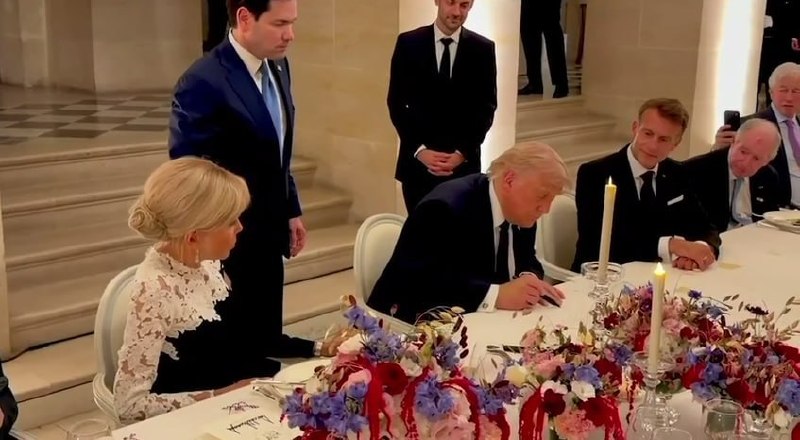
Negotiators from Washington and Tehran have settled on a 60-day ceasefire extension and a framework for renewed nuclear talks, but the deal will not be signed until President Donald Trump decides the moment is right. According to reporting by Axios's Barak Ravid, which appeared across regional wire services on 28 May 2026, both sides have agreed upon a memorandum of understanding. The president, however, has asked mediators for a few days to consider before attaching his name to the document.
The hold-up is not, by any account from the available sourcing, a collapse in negotiations. The substantive terms appear to have been agreed. What remains is the choreography of commitment — who signs first, what language is attached to the signature, and whether the moment can be engineered to maximize political leverage for all parties. In nuclear diplomacy, that choreography is often the substance.
The Terms on the Table
The framework as reported includes a 60-day extension of the existing ceasefire arrangement and a structured process for talks on Iran's nuclear programme. Iran has historically demanded the full lifting of sanctions as a precondition for any enrichment-related concessions; the United States has historically demanded verifiable caps on enrichment levels before any sanctions relief. The sources do not specify where on that spectrum the agreed memorandum falls, but the very fact that both governments have moved close enough to share a document suggests meaningful movement from both initial positions.
The 60-day window matters. It provides breathing room for both governments domestically — time to prepare legislative or political ground for whatever concessions the final agreement requires. It also preserves leverage: if either side concludes the talks are going nowhere, the ceasefire extension expires and the pressure returns.
Why the Delay Is Structural, Not Personal
The framing that Trump is "personally holding up" the signing, as one wire service characterized it, obscures what is actually happening. Presidential signatures on international agreements involving Iran are not unilateral acts. They require coordination with allied governments in the Gulf, with Congress, and with the various domestic constituencies that have political exposure on the issue. Trump asking for time before committing is not a sign of weakness or disagreement — it is a standard feature of high-stakes diplomatic engineering.
That said, the delay is not cost-free. Tehran will be watching for signals about whether the hesitation reflects second thoughts or simply tactical patience. Each additional day of uncertainty gives room for hardliners on both sides to press their respective governments toward maximalist positions. The negotiation, in other words, does not stop when the terms are agreed. It continues through the signing.
The Regional Dimension
Israel and the Gulf states have equities in any US-Iran arrangement that the Trump administration cannot ignore. A framework that leaves Iran with a credible civilian nuclear programme while providing sanctions relief is precisely the arrangement that Riyadh and Tel Aviv have spent years arguing against. Whether the White House has consulted closely with those partners before accepting the memorandum, and whether their concerns have been incorporated, is not answered by the available sourcing. That gap in the record matters, because agreements reached without buy-in from regional actors tend to unravel faster than agreements that build in those relationships from the start.
The sources do not indicate whether Israeli officials have been briefed, or whether Gulf mediators are the ones holding the pen on the American side. That silence is notable. It suggests either that the briefing is happening in channels not captured by the wire services, or that the administration is moving faster on the deal than its regional partners are comfortable with.
What Happens Next
If Trump signs within the reported window, the 60-day ceasefire extension takes effect and structured talks begin. The immediate prize is de-escalation — reducing the risk of miscalculation that could produce military confrontation in the Gulf or the Strait of Hormuz. The longer-term prize is an arrangement that constrains Iran's nuclear programme in exchange for reintegrating it into the global economy.
If the delay extends beyond a few days, the sources suggest the framework remains intact but the political optics shift. A prolonged hesitation reads differently in Tehran than in Washington. Inside Iran, it could bolster arguments that the United States cannot be trusted to follow through on commitments. Inside Washington, it could bolster arguments that the administration is being rushed into a deal that does not serve American interests.
The next 72 hours will likely determine whether this is a signing in progress or a negotiation that has found a temporary resting point. Either outcome is explicable. The sources, for now, point toward the former.
This publication's coverage of the US-Iran negotiations emphasizes the structural constraints on both governments rather than treating diplomatic progress as a personality-driven narrative. The available wire reporting from Axios and regional Telegram services provides the factual basis for this analysis.
Wire provenance
This editorial synthesis draws on the following public wire/social posts:
- https://t.me/The_Jerusalem_Post/28423
- https://t.me/Middle_East_Spectator/4821
- https://t.me/ClashReport/15842