2026 World Cup: Final Squads Land as Tournament Enters Home Stretch
With the 2026 World Cup opening in June, national federations have submitted their final 23-player rosters. The selections reveal a mix of established superstars and emerging talent, while kit manufacturer choices underline the commercial architecture surrounding the tournament.
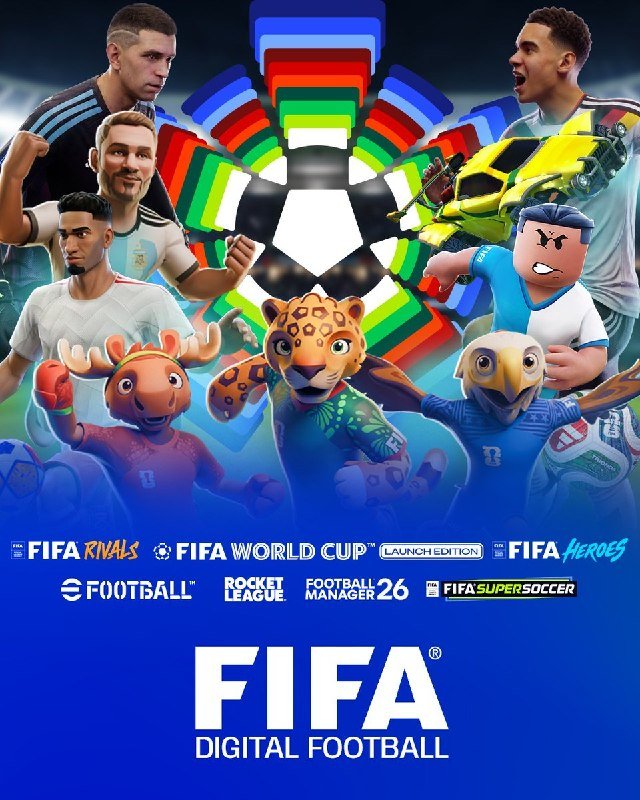
With six weeks remaining before the opening match, national football federations have submitted their final 23-player rosters for the 2026 World Cup. The squad announcements — rolling out across late May — confirm the superstar-heavy lineups expected from traditional powers while also surfacing the compressed development timelines facing nations competing at the tournament for the first time under its expanded 48-team format.
The selections land amid a commercial apparatus that has grown more sophisticated with each cycle. Kit suppliers — a category that generates substantial revenue for both federations and manufacturers — have been confirmed across all qualifying nations, according to roster and equipment data compiled by football analytics outlets.
Established Names Carry the Weight of Expectation
The final rosters feature a cohort of players whose selection guarantees sustained global attention. Among them, Egypt's squad list — confirmed by Transfermarkt on 30 May 2026 — includes players who have anchored the nation's qualification campaign across multiple cycles. The Egyptian roster reflects a blend of European-based professionals and domestic league contributors, a combination that has defined the country's recent tournament approaches.
Canada's squad announcement, also filed on 30 May, marks the nation's second consecutive World Cup appearance — a milestone that carries structural significance for a country whose football infrastructure has expanded considerably since its 2022 debut. The roster composition signals a shift toward greater European club representation among Canadian players, a trend that has accelerated across the past four years.
The headline-makers across participating nations share common characteristics: high-volume Champions League minutes, recent major tournament experience, and contracts with clubs whose commercial reach extends well beyond their domestic leagues. These players represent the tournament's commercial core — the names that drive broadcast viewership estimates and merchandise revenue projections.
New Entrants Navigate a Different Pressure
The 48-team format means more nations have secured qualification than in any previous World Cup. For federations whose last appearance predates the format change, the challenge is not merely selecting a competitive squad but managing a compressed preparation window against nations with deeper tournament experience.
Kit manufacturer assignments add a layer of commercial continuity to these new entrants. Equipment suppliers — operating under multi-cycle agreements with national federations — provide marketing infrastructure that typically includes dedicated retail lines, training camp logistics, and media coordination. For nations with limited prior World Cup exposure, this infrastructure represents one of the tangible benefits of qualification beyond the sporting accolade itself.
The equipment landscape across the tournament reflects a consolidated market. A small number of manufacturers outfit the majority of qualified nations, with agreements that typically extend across two or more tournament cycles. The commercial terms of these arrangements vary significantly — from multi-million dollar per-cycle deals for leading federations to substantially smaller arrangements for nations whose qualification history is shorter — but the structural relationship between manufacturer and national team remains consistent across the field.
Commercial Architecture Shapes the Tournament's Appearance
The visual identity of the 2026 World Cup will be determined in no small part by kit supplier choices that were finalized before a ball was kicked in qualification. Each national team kit represents a commercial contract whose value derives from broadcast exposure, merchandise sales, and the reputational standing of both the federation and the manufacturer.
This commercial architecture influences which nations receive equipment from which manufacturers, a dynamic that has produced a recognizable clustering effect — traditional powers tend toward agreements with equipment companies whose global retail presence matches their own — while smaller federations often operate under less capital-intensive arrangements that nonetheless provide professional-grade infrastructure.
The kit announcement cycle, which concluded with the final squad submissions in late May, represents one of the last pre-tournament commercial moments before matchweek saturation reduces the space available for non-match coverage. Equipment reveals generate sustained social media engagement and provide manufacturers with an opportunity to activate marketing campaigns tied to specific players and national narratives.
What Happens Next
The squad submissions lock in the rosters that national coaches will work with through the group stage and, for those who advance, into the knockout rounds. The tournament's expanded format means that more nations face a longer window of potential participation — a structural change that carries implications for squad management, fitness optimization, and the tactical approaches teams deploy in the opening rounds.
For the nations with established superstars, the pressure is immediate: a group stage exit would represent a failure against benchmarks set by prior tournament performances and the commercial expectations attached to players whose global profile extends well beyond their federations' immediate interests. For the new entrants, the calculus is different — qualification itself is the achievement, and the tournament represents a data point in what is likely a longer-term development arc.
The kit manufacturer apparatus will remain visible throughout. Equipment suppliers have commercial agreements tied to participation milestones — advancing past the group stage, reaching quarterfinals, and ultimately lifting the trophy each carry additional activation opportunities that justify the investment in federation partnerships. The commercial architecture surrounding the tournament is not incidental to the sporting event; it is woven into the structure in ways that shape how the tournament is experienced by fans, players, and the industry that surrounds the game.
This article was written from roster and equipment data compiled via football analytics outlets covering the squad announcement cycle.
Wire provenance
This editorial synthesis draws on the following public wire/social posts:
- https://t.me/transfermarkt/10345
- https://t.me/transfermarkt/10343
- https://t.me/transfermarkt/10341
- https://t.me/transfermarkt/10339