Trump Currency Proposal Overshadows Iran Crypto Seizure as Treasury Makes Billion-Dollar Claim
Treasury Secretary Scott Bessent announced the seizure of one billion dollars in cryptocurrency belonging to Iran, framing the action as restitution for stolen national wealth. The announcement arrives alongside congressional discussions about placing Donald Trump's portrait on currency — a proposal that has drawn scrutiny about the blending of policy and personal branding.
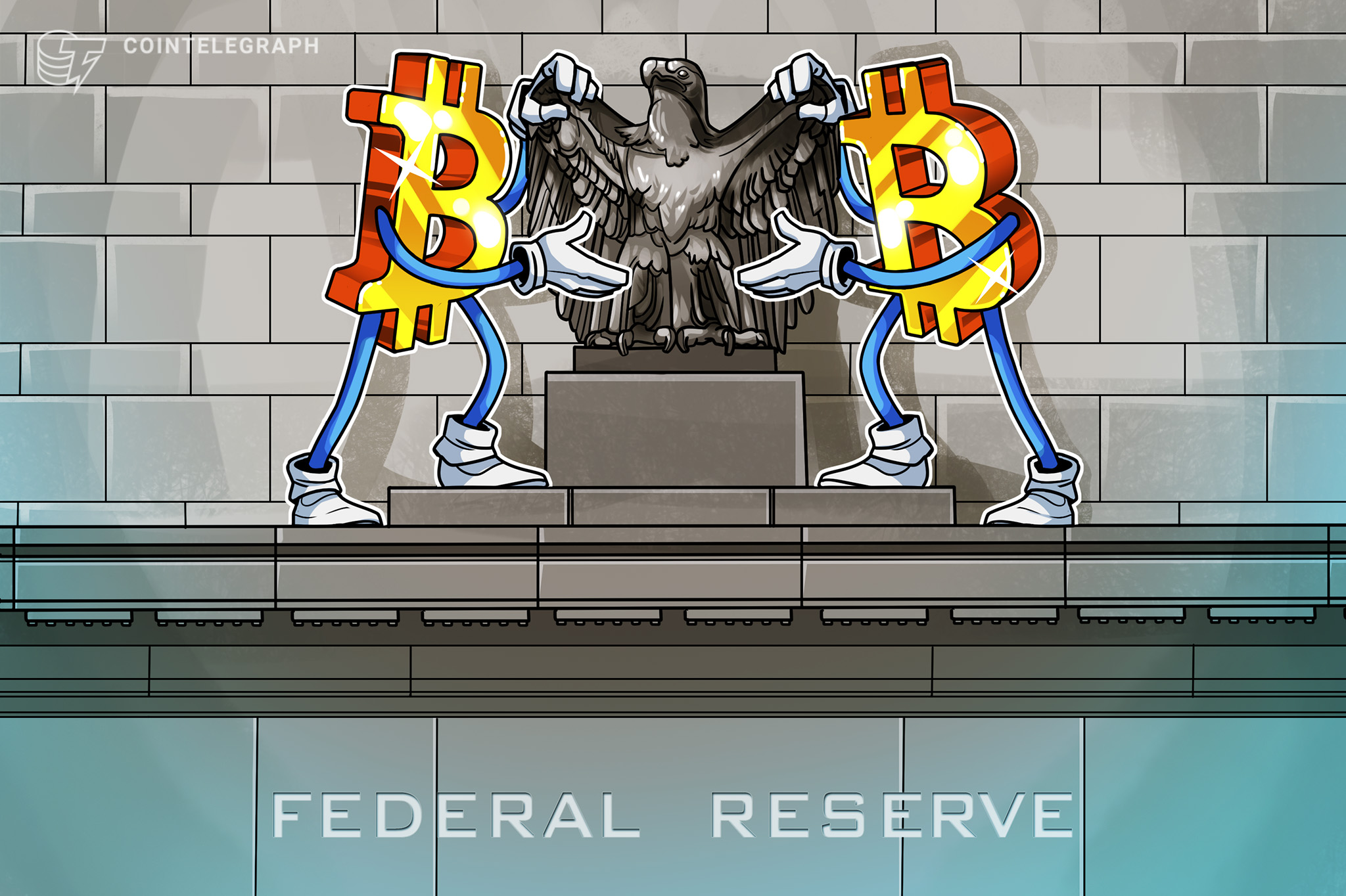
On 30 May 2026, United States Treasury Secretary Scott Bessent confirmed that American authorities had seized approximately one billion dollars in cryptocurrency assets connected to Iran. The announcement, delivered during a public briefing, drew immediate attention for its blunt framing of the action as recovery of funds stolen from the Iranian people — language that cast the operation as both enforcement and justice simultaneously.
The seizure arrives at a politically sensitive moment for the Treasury Department. Alongside the Iran action, Bessent has publicly engaged with proposals to place commemorative currency featuring Donald Trump's image — including discussion of a potential two-hundred-and-fifty-dollar bill and an anniversary coin — proposals that have drawn criticism from government ethics watchdogs who argue the timing conflates official policy with personal political branding.
The Scale of the Seizure
Bessent's claim of one billion dollars in seized cryptocurrency represents one of the largest single enforcement actions involving digital assets and sanctions compliance on record. The sum is substantial enough to invite immediate scrutiny about which wallets were targeted and under what legal authority the assets were frozen. The Treasury has not yet published a detailed inventory of the specific wallets, the blockchain networks involved, or the legal mechanisms used to gain access — details that would allow independent verification of the department's characterisation of the operation.
What is clear is that the seizure extends the reach of U.S. financial enforcement further into the cryptocurrency ecosystem than previous actions. Iranian entities and individuals have long used cryptocurrency to circumvent conventional sanctions — a workaround that the Treasury has flagged as a growing enforcement challenge over the past several years. The successful seizure of assets, rather than merely freezing them, suggests either a significant improvement in blockchain tracing capabilities or cooperation from exchanges or wallet providers with U.S. jurisdiction.
Political Overlap and the Currency Proposals
The timing of the announcement is difficult to separate from concurrent discussions about Trump's image appearing on official currency. Bessent confirmed on 30 May 2026 that Congress is actively considering legislation to authorise a two-hundred-and-fifty-dollar bill bearing Trump's portrait — a denomination that does not currently exist in U.S. currency — alongside a commemorative coin marking the anniversary of some unspecified milestone.
The dual announcement creates a visual and narrative overlap between two very different policy directions: aggressive sanctions enforcement against a geopolitical adversary, and the personalization of American monetary symbols. Critics have noted that the currency proposals arrive while Trump remains a politically active figure whose administration is a matter of ongoing public debate, raising questions about the appropriateness of placing a living or recently-serving figure on currency before historical perspective can shape the decision.
Treasury officials have defended the currency discussions as reflecting a broader tradition of commemorating significant figures and anniversaries. The department has not yet confirmed whether the two-hundred-and-fifty-dollar denomination would enter general circulation or remain a commemorative instrument, a distinction that carries substantially different implications for monetary policy and public familiarity with the nation's financial instruments.
Dollar Power and the Cryptocurrency Question
The seizure underscores a broader structural tension in the relationship between dollar-denominated financial systems and digital assets. Cryptocurrency was, in significant part, designed to operate outside the reach of sovereign financial oversight — a fact that made it attractive to actors under sanctions. The U.S. government's ability to seize, rather than merely freeze, such assets challenges a core premise of that financial autonomy.
The enforcement action is likely to accelerate a conversation already underway in cryptocurrency policy circles about jurisdictional reach. If U.S. authorities can successfully execute seizures of this scale, the practical case for using cryptocurrency to circumvent sanctions diminishes substantially. That in turn creates pressure on exchanges, mixers, and decentralized finance protocols to implement more rigorous compliance screening — or face secondary sanctions exposure.
The move also reinforces the structural advantage of the dollar system, which remains the primary settlement currency for the overwhelming majority of global trade. Even actors who conduct transactions in cryptocurrency ultimately face the problem of converting assets into fiat currencies to pay for goods, services, and energy — conversion that brings them back within the reach of dollar-denominated financial infrastructure. The seizure demonstrates that this reach can, under the right legal conditions, extend into the digital layer itself.
What Remains Unverified
The sources reviewed for this article consist primarily of wire-service summaries of Bessent's public statements. Several material details that would allow fuller independent assessment have not yet been confirmed: the precise legal authority under which the seizure was executed, the specific blockchain networks and wallet addresses involved, the identity or classification of the Iranian entities whose assets were targeted, and whether any of the seized assets have been repatriated or remain in government custody pending legal proceedings.
Iranian state media and official sources have not yet issued public responses to the Treasury's claims. The nature of the counter-narrative — whether Tehran will frame the seizure as theft, as political pressure, or as irrelevant given earlier diversification away from dollar exposure — is not yet clear from available sources. The gap matters for understanding the full geopolitical implications of the action.
The currency proposals, meanwhile, remain at the congressional consideration stage. Whether the two-hundred-and-fifty-dollar bill legislation advances, and in what form, will determine whether the overlap between personal political branding and official monetary policy becomes a sustained feature of the current administration's financial messaging.
This publication's wire coverage of the Iran crypto seizure led with the Treasury's framing of the action as recovery of stolen assets. The currency proposals were treated as a secondary but connected development. Monexus notes that the simultaneity of the two announcements on the same morning is itself a story about the intersection of enforcement posture and political symbolism.
Wire provenance
This editorial synthesis draws on the following public wire/social posts:
- https://t.me/englishabuali
- https://t.me/nexta_live
- https://t.me/intelslava