The Radar Gun Doesn't Lie: Brody Bumila Is Already Throwing 101 mph at 18
An 18-year-old pitcher standing 6-foot-9 has posted triple-digit velocity on the radar gun, drawing first-round comparisons to Randy Johnson and Chris Sale — and raising uncomfortable questions about the developmental pipeline that feeds professional baseball.
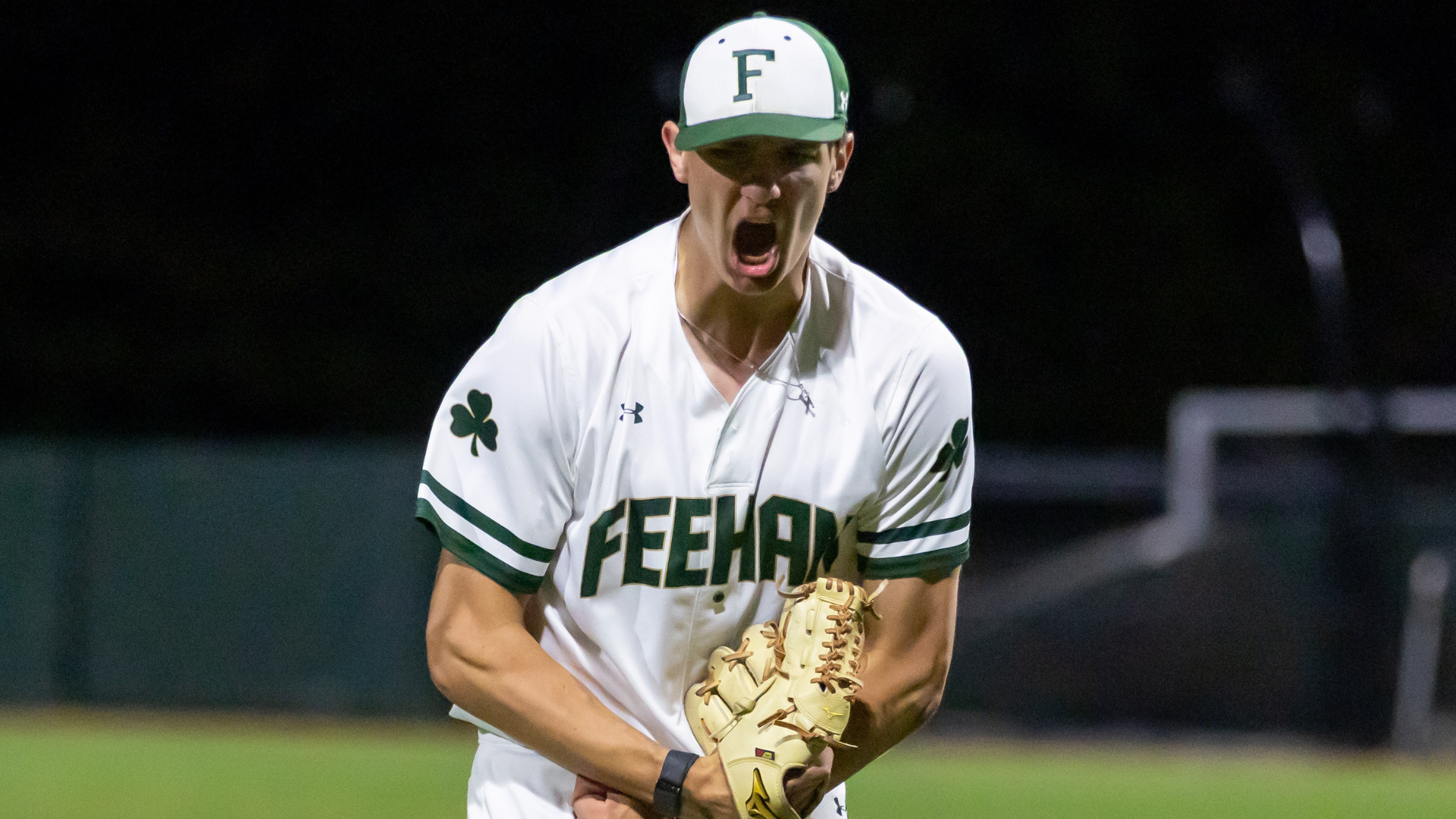
Brody Bumila is 18 years old, 6-foot-9, and throws 101 miles per hour. Those three facts, drawn from a CBS Sports report published on 29 May 2026, contain most of what is currently known publicly about one of the more unusual pitching prospects to surface in recent draft cycles. Bumila, who plays high school baseball, generated significant attention after a showcase appearance where his velocity registered at triple digits — a threshold typically associated with Major League Baseball's hardest throwers, not teenagers still years from professional debut.
The reaction within the scouting community has been swift and, by most accounts, bullish. CBS Sports described Bumila as a player who "should be a first-round MLB Draft pick," invoking comparables from the Randy Johnson and Chris Sale archetype: tall, projectable leverage, a fastball that plays up from a high release point. Whether those comparisons hold — or whether they are the product of an industry perpetually searching for the next big thing — remains to be tested over the full arc of a development timeline measured in years, not months.
What the Numbers Actually Mean
Velocity at the high school level is not a reliable predictor of professional success in isolation. The gap between a 101 mph fastball in a showcase setting and the same velocity in the eighth inning of a playoff game against professional hitters is vast. Pitch design, command, pitch sequencing, and the ability to make in-game adjustments consistently — none of these attributes can be captured by a single radar gun reading at an event designed to showcase talent rather than test it.
That said, the physical profile is not easily dismissed. At 6-foot-9, Bumila generates leverage from a release point that forces hitters to track the ball on a steep downhill plane. Height of that magnitude, combined with the mechanics required to repeat a delivery at 101 mph, suggests either exceptional athleticism or exceptional coaching — or both. The scouting community has historically undervalued sheer physical tools relative to polish, which means Bumila's ultimate draft position will say as much about the philosophies of individual organizations as it does about his talent.
The Pipeline Question
High-velocity prospects are not new to baseball. What has changed over the past two decades is the infrastructure surrounding teenage pitchers: private coaching networks, advanced biomechanical analysis available to families with means, and a travel-ball ecosystem that exposes top prospects to professional-grade instruction years earlier than was typical in previous generations. The result is a cohort of draft-eligible players whose surface statistics and measurables look increasingly indistinguishable from college seniors.
This creates a structural tension within the draft itself. Teams that invest heavily in development infrastructure can extract more value from raw velocity than teams operating with smaller player-development budgets. The consequence is a draft that rewards organizational resources as much as individual talent — a dynamic that has attracted increasing scrutiny from player advocates who argue that the economics of the draft system undervalue the athletes being selected.
Bumila's situation is not immune to these forces, even if his particular combination of tools has so far generated excitement rather than controversy. The 2026 draft class will be evaluated against prior years, and the temptation to slot him into a comp based on the Johnson-Sale template is the kind of framing that simplifies a complex scouting process for public consumption.
What Remains Unknown
The source material is thin by design. A single CBS Sports headline item from 29 May 2026 captures the headline facts — age, height, velocity, draft positioning — but offers little insight into Bumila's secondary pitches, his medical history, his command metrics, or his frame of mind heading into a process that will unfold over the next several months. The reporting does not specify which showcase produced the 101 mph reading, whether it was measured by independent scouts or team personnel, or under what conditions the throw was made.
These are not minor omissions. Velocity readings can vary significantly depending on the type of radar gun used, the environmental conditions at the time of measurement, and whether the throw came from a bullpen session or a competitive at-bat. Without corroborating accounts from independent scouts or video evidence, the figure stands as reported but not independently verified beyond the original CBS Sports description.
The Stakes for All Parties
If Bumila is selected in the first round as projected, he will enter a player-development system that has a mixed recent record with high-velocity teenage pitchers. Tommy John surgeries, shoulder injuries, and the psychological toll of professional baseball have derailed prospects with similar tools. The teams that select him will be making a bet on durability and coachability as much as on raw arm strength.
For Bumila himself, the stakes are straightforward: a first-round selection guarantees a signing bonus that will likely exceed $2 million, depending on where he slots within the round. Whether that financial security translates into a long and productive professional career depends on variables that no showcase performance can reveal. The radar gun, as the saying goes, doesn't lie — but it also doesn't tell the whole story.
This desk covered the Bumila story as a prospect profile rather than a news event. The wire framing centred on the novelty of the velocity figure; this article contextualises it within the broader structural dynamics of how baseball evaluates and develops teenage talent.