The Kiryat Shmona Strike and the Myth of Managed Escalation
Hezbollah's missile strike on Kiryat Shmona on 30 May 2026 punctures the comfortable assumption that border violence can be contained indefinitely within diplomatic brackets.
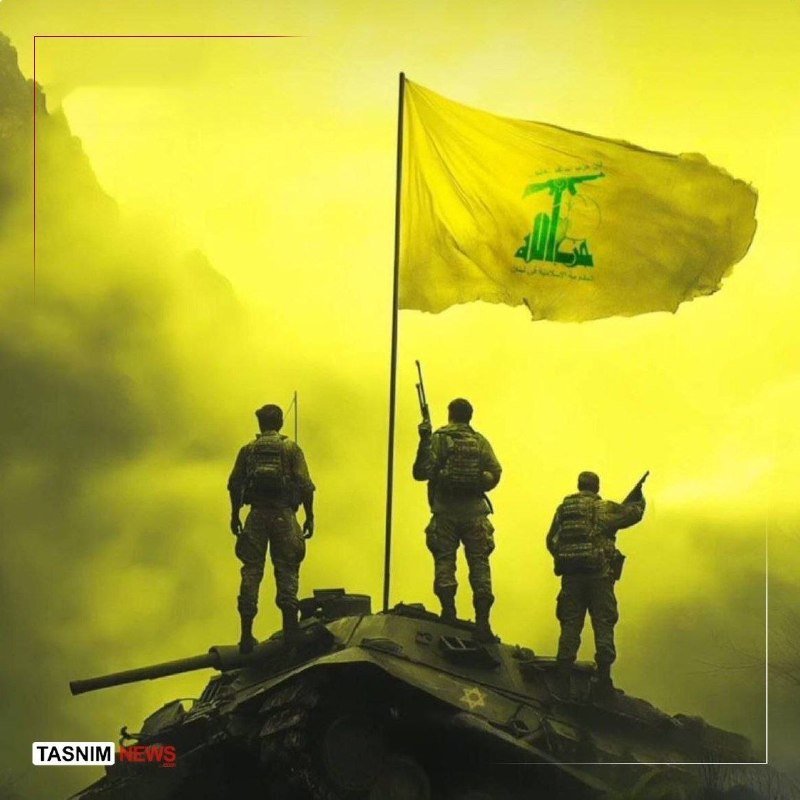
Hezbollah announced on 30 May 2026 that it had struck Kiryat Shmona with a missile attack, triggering sirens across the northern Israeli settlement and its surroundings. Early warning alerts blared through the community as the Lebanon-based faction confirmed the strike via its official communications channel. The attack, occurring in the late afternoon UTC window, represents yet another breach in a fragile arrangement that diplomats on multiple continents have repeatedly insisted was holding.
That insistence deserves scrutiny. What the Kiryat Shmona strike exposes is the fiction at the heart of managed escalation — the idea that repeated border violence can be confined within diplomatic brackets indefinitely, that both sides will always pull back before the threshold that forces a wider response. Hezbollah's announcement was not tentative. It was declarative, timed, and public. That is a signal, not an accident.
The Pattern Nobody Wants to Name
The strike fits a trajectory that regional analysts have been mapping for months, even as official statements maintained a tone of measured confidence. Hezbollah has been incrementally testing Israeli responses — probing the limits of what TEL Aviv will absorb before activating its own escalation ladder. Each prior incident followed the same script: a strike, a siren, a statement, a brief diplomatic flutter, then a return to a status quo that was, in truth, never static.
Kiryat Shmona sits in the north, close enough to the Lebanese border that residents have lived under the shadow of rocket and missile threat for years. The settlement's name has appeared in Israeli defense briefings more frequently than most outsiders realize. When Hezbollah names it specifically, as it did on 30 May, the choice is deliberate. This is not a village on the margins — it is a population center whose targeting carries symbolic weight alongside tactical utility.
Israeli emergency response infrastructure activated as designed. Sirens functioned. Alert systems performed their intended role. That the mechanics worked is cold comfort, however. The question the systems cannot answer is what happens when the next strike arrives before the sirens finish echoing.
The Ceasefire Architecture Under Stress
The sources do not yet specify whether Israeli forces responded to the Kiryat Shmona strike, or what form any response might have taken. This gap in the record is itself significant. In prior cycles, Israeli statements followed strikes within hours, sometimes minutes. The relative silence from official Israeli channels in the immediate aftermath of the 30 May attack either reflects an ongoing assessment or a deliberate decision to avoid the public framing that official responses entail.
Diplomatic efforts to stabilize the Lebanon-Israel border have repeatedly centered on Hezbollah's posture north of the demarcation line. The stated goal has been de-escalation through pressure — convincing a militarized non-state actor to accept constraints that its leadership has publicly rejected. The Kiryat Shmona strike suggests that pressure has not achieved its stated objective. An actor that accepts constraints does not announce missile strikes on population centers and expect the announcement itself to be absorbed as normal signaling.
The international intermediaries who have invested political capital in the ceasefire framework now face a reckoning with their own assumptions. Managed escalation works when both parties fear the alternative. Hezbollah's calculation appears to be that TEL Aviv's costs from accepting the current arrangement — displaced northern residents, persistent security pressure, economic attrition — are a feature, not a bug, of the status quo.
The Human Arithmetic Nobody Calculates
Behind the strategic calculus sits a simpler arithmetic. Kiryat Shmona's residents have cycled through evacuation orders, tentative returns, and renewed warnings for years. The strike on 30 May adds another data point to a pattern that produces trauma, displacement, and institutional erosion regardless of whether casualty figures make headlines. A settlement that sounds sirens regularly is a settlement where normal life becomes impossible to sustain.
Israeli emergency management is sophisticated by regional standards. Early warning systems, bomb shelter infrastructure, and rapid response protocols exist because they must. But infrastructure has limits. A population that cannot plan its daily life around school schedules, employment patterns, or family routines is a population under chronic stress that does not show up cleanly in casualty counts.
Hezbollah's leadership understands this arithmetic as well as anyone. The faction's strategic communications have long distinguished between military and civilian targeting, but the operational effect of striking a settlement like Kiryat Shmona lands on both categories simultaneously. Residents who cannot return, businesses that cannot operate, children who cannot attend school reliably — these are the constituency that sustains a conflict beyond its official front lines.
What the Next Cycle Looks Like
The trajectory is not ambiguous. Hezbollah has demonstrated capability and willingness to strike Israeli population centers. Israel has demonstrated capacity and intent to respond, though the timing and scale of any response remain matters of internal calculation. The ceasefire framework, such as it exists, is under stress that diplomatic language cannot absorb.
The stakes are concrete. If the current pattern continues, northern Israel becomes increasingly uninhabitable in practice, even if the legal status of the territory remains undisputed. Hezbollah gains operational experience, intelligence on response times, and evidence that its strikes produce no decisive retaliation. TEL Aviv faces the choice between accepting attrition or accepting escalation — a choice that becomes harder each time the Kiryat Shmona siren sounds.
The international community's options are narrowing. Pressure campaigns that assume Hezbollah's leadership fears isolation have not produced the behavioral change they promised. International attention, such as it is, will drift toward other crises before the northern border problem resolves itself. What remains is a managed non-solution that produces exactly the kind of incident that occurred on 30 May — and will occur again, likely sooner than the diplomatic optimists prefer to admit.
Kiryat Shmona did not make the evening news in most of the world. That is the most revealing fact of all.
Wire provenance
This editorial synthesis draws on the following public wire/social posts:
- https://t.me/alalamarabic/
- https://t.me/alalamarabic/
- https://t.me/AMK_Mapping/