The Architecture Was Built to Manage, Not End the Conflict
Sustained projectile fire from Lebanon toward northern Israeli communities is testing the Gaza ceasefire framework, revealing how management frameworks can gradually accommodate sustained instability rather than resolve it.
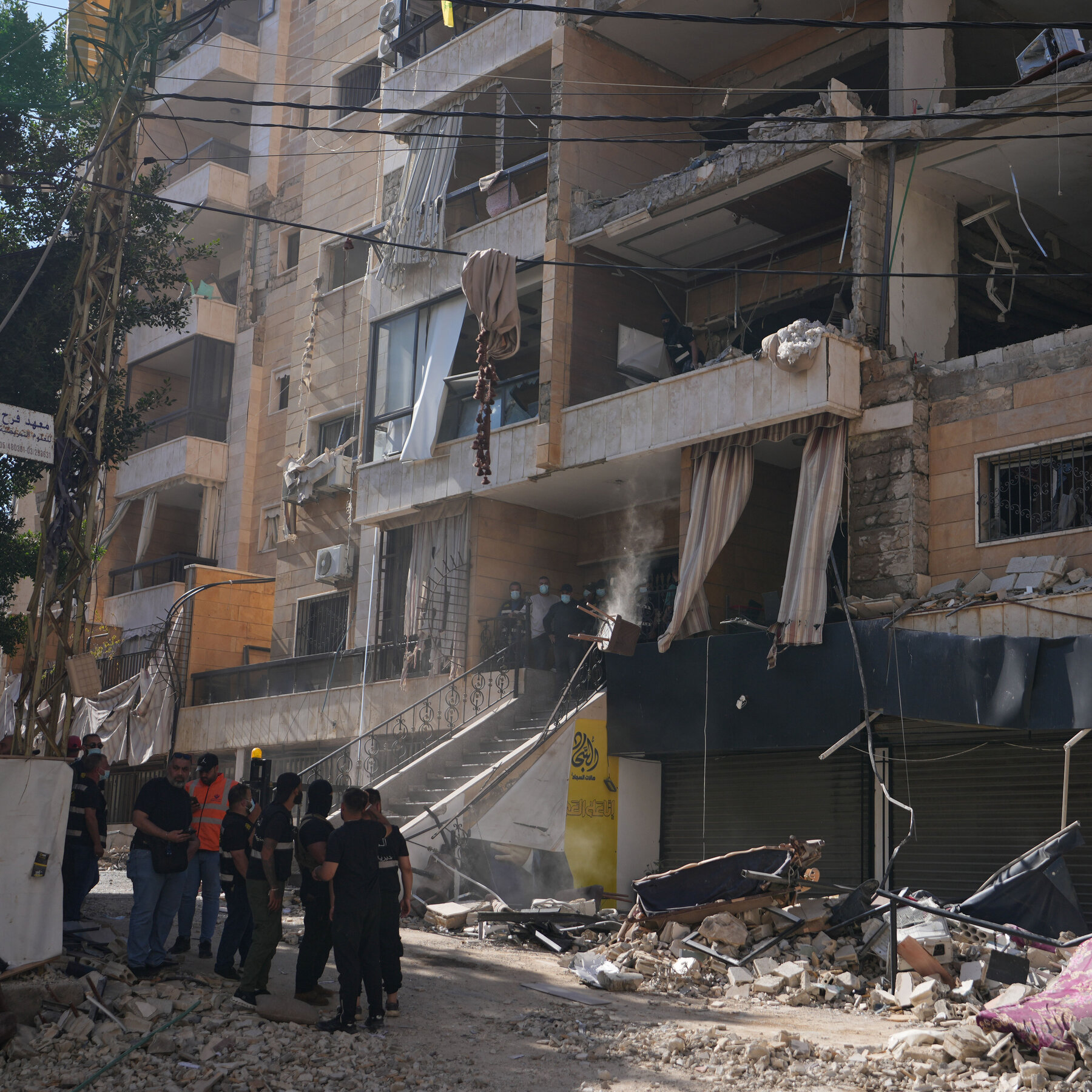
International Response Mechanisms Show Signs of Strain
When the ceasefire was first announced, international actors presented it as a model for managing regional conflicts through sustained diplomatic engagement and security cooperation. The monitoring mechanisms established were described as robust, and both sides signaled acceptance of the framework's terms.
As incidents have continued, the international response has evolved. Early condemnations of specific violations have become less prominent. Communications between the mediating powers and both parties have become more focused on preventing immediate escalation than on addressing root causes. The language used in official statements has grown more cautious, reflecting an awareness that stronger language could itself become a destabilizing factor.
This evolution is not unique to the current situation. International frameworks designed to manage ongoing conflicts tend to adjust to the reality on the ground over time. Terms described as temporary become normalized. Lines described as inviolable are quietly redrawn. The framework survives in form while changing in substance.
The actors with the greatest interest in maintaining the framework have shown a consistent preference for incremental adjustment over fundamental reconsideration. The costs of admitting failure are high; the costs of continued management are more diffuse and easier to defer.
What the Pattern Means for Communities on the Ground
The communities closest to the border understand the implications of this dynamic better than the officials who manage it from capitals and international headquarters. For residents of Kiryat Shmona and surrounding areas, the alerts are not abstract events. They are concrete disruptions, physical danger, and a daily reminder that the security architecture designed to protect them has not delivered the certainty it promised.
The international framework that was supposed to change this pattern has instead provided a language for managing its continuation. It has created mechanisms for responding to incidents without creating conditions for preventing them. It has offered the appearance of progress without the substance of resolution.
Whether that appearance can hold depends on factors that remain outside any single actor's control. The current trajectory suggests continued instability, continued management, and continued risk of escalation. The framework was built to manage that risk, not to eliminate it.
The sirens will sound again. The question is whether anyone with the leverage to change the underlying pattern will choose to exercise it, or whether the architecture will simply continue absorbing incidents until it breaks under a weight it was never designed to carry.
Wire provenance
This editorial synthesis draws on the following public wire/social posts:
- https://t.me/idfofficial/12547
- https://t.me/idfofficial/12546
- https://t.me/alalamarabic