Pentagon Puts Iran on Notice: Ceasefire Extension Hinges on Trump's Red Lines
Pentagon chief Pete Hegseth said on 30 May 2026 that the United States remains ready to resume military operations against Iran, as President Donald Trump weighs whether to extend a 60-day ceasefire window that Tehran says it never formally accepted.
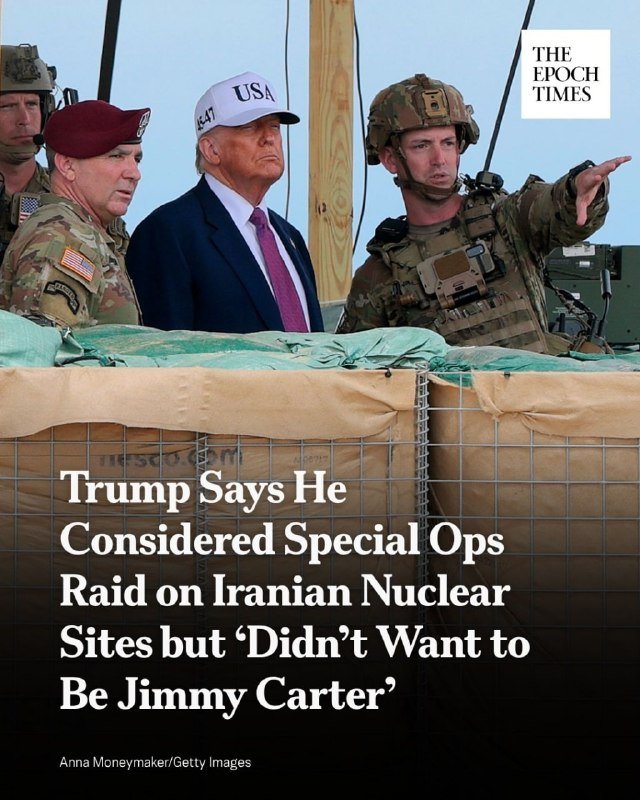
The United States has warned Iran that military action remains an active option, as the White House signals it may extend a 60-day ceasefire window that both sides describe differently. Secretary of Defense Pete Hegseth said in Washington on 30 May 2026 that American forces are "more than capable" of restarting operations against Iran if diplomatic efforts fail to produce an agreement that satisfies White House demands.
Trump's red lines, which his administration has not publicly enumerated in full, centre on Iran's uranium enrichment programme and its ballistic missile activities. Iranian officials have denied that any final agreement exists, complicating the picture for observers trying to gauge whether the current pause in hostilities represents a genuine diplomatic opening or a tactical intermission.
The Terms of the Pause
The ceasefire arrangement, which took effect earlier this year, halted strikes that had included US operations against Iranian nuclear facilities and energy infrastructure. According to reporting by The Indian Express, Hegseth described the pause as conditional on Iran meeting US demands — a framing that Tehran has contested. Iranian state-adjacent media, including reporting cited by Tasnim, have noted that Washington appears divided on how to handle a dossier that has confounded multiple administrations.
CNN reported on the internal friction within the US approach: the White House faces a dilemma between a maximum-pressure posture that risks restarting hostilities and a negotiated outcome that would require concessions Iran has historically resisted. The current ceasefire, described by Iranian officials as an informal understanding rather than a signed accord, sits in a legal grey zone that both sides appear to be exploiting.
What Iran Is Saying
Iranian representatives have consistently rejected characterisations of the ceasefire as a prelude to a comprehensive deal. According to Deutsche Welle's coverage of the situation, Tehran has denied that any final agreement is imminent, a position that complicates Trump's stated goal of a deal that incorporates his red lines. Iran's nuclear programme, which Western intelligence agencies estimate has advanced significantly during the period of informal talks, remains the central sticking point.
The ambiguity in Iranian official communications reflects a deliberate strategy: by refusing to confirm a formal deal, Tehran preserves leverage while avoiding the domestic political cost of appearing to capitulate to US demands. Iranian state media framing, as captured in coverage from Tasnim and affiliated outlets, has emphasised Washington's apparent internal disagreements about what a sustainable arrangement would look like.
The American Calculus
The Trump administration's posture reflects a mixture of coercive diplomacy and genuine uncertainty about outcomes. Hegseth's statement that the US is "more than capable" of resuming military operations is intended to reinforce leverage, but it also signals that the White House has not abandoned the option of force if talks collapse. The 60-day extension Trump is reportedly weighing would buy time for a final push, but critics note that previous extensions have produced incremental progress at best.
The structural context matters here. US-Iranian tensions operate within a broader architecture of regional alliances, economic sanctions, and competing great-power interests. China's diplomatic activity in the region — Beijing has maintained channels with both Tehran and Washington — adds a layer of complexity that previous administrations did not face in the same way. European parties to the 2015 nuclear agreement, meanwhile, have watched from the margins, unable to offer the sanctions relief that Iran demands without US approval.
Stakes and Forward View
If the ceasefire collapses, the consequences extend well beyond the bilateral relationship. A resumption of strikes could disrupt global energy markets at a moment when oil supply chains remain sensitive to Middle Eastern instability. Israeli officials, who have conducted their own operations against Iranian-linked targets during the ceasefire period, would face new calculations about how to position themselves relative to a restarted US campaign.
For Iran, the stakes are existential in a narrower sense: further strikes on nuclear facilities could set back a programme that Tehran has treated as a non-negotiable security guarantee. For the United States, the stakes include credibility — the impression among regional partners that American threats are backed by willingness to act — and the broader question of whether nuclear proliferation by an adversarial state can be reversed through pressure rather than negotiated settlement.
What remains unclear is whether Trump's red lines represent a defined set of demands that Iran could theoretically meet, or a political position designed to justify continued maximum pressure regardless of Iranian compliance. The sources do not specify what those red lines are in concrete terms, and administration officials have been deliberate in keeping the specifics private. That ambiguity itself is part of the negotiating posture — but it also means that even a ceasefire extension does not resolve the underlying conflict, only postpones its next acute phase.
This publication covered the ceasefire extension question with an emphasis on the asymmetry between Washington's public posture and the more muted signals from Tehran. Wire framing from Western outlets tended to treat the extension as a diplomatic win in progress; the structural analysis here foregrounds the legal ambiguity of the ceasefire itself and the competing domestic incentives on both sides.
Wire provenance
This editorial synthesis draws on the following public wire/social posts:
- https://t.me/JahanTasnim