Trump Signals Harder Line on Iran as Stalled Talks Enter New Phase
The Trump administration has reportedly hardened its terms for a proposed peace framework with Iran while publicly downplaying any urgency to reach an agreement, a shift in posture that complicates an already fragile diplomatic opening.
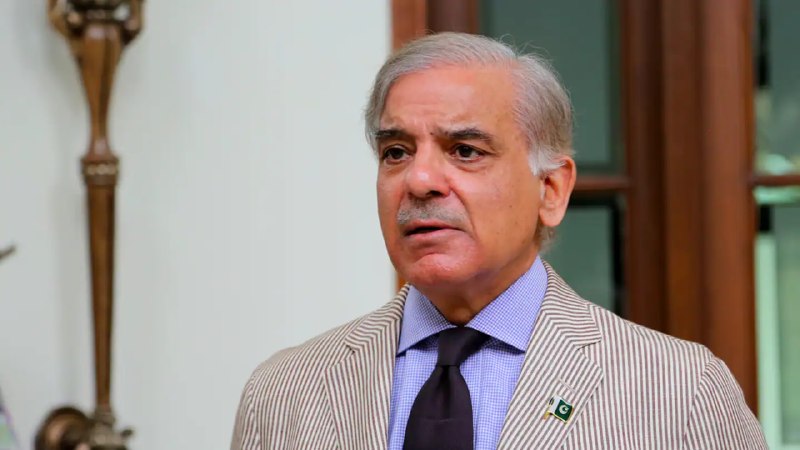
The Trump administration has sent tougher terms to Iran for a proposed peace framework, according to reports on 31 May 2026, while the president himself signalled that Washington is under no time pressure to conclude a deal. The dual signals mark a notable recalibration of the administration's posture after months of on-and-off engagement with Tehran over its nuclear programme.
The shift in language is substantive. Where the administration had previously suggested a deal was within reach, the latest reported terms — delivered reportedly in recent days — reflect demands that Western diplomatic sources have described as significantly more demanding than those previously on the table. Iranian officials have not publicly responded to the specifics, though state-adjacent commentary has rejected any framing that presents the terms as a foundation for negotiation.
Trump, speaking to reporters on 31 May 2026, stated plainly that the United States is not in a "hurry" to make a deal with Iran. The comment, by its timing and context, reads as a deliberate signal to both Tehran and domestic constituencies that pressure will remain the default instrument — at least for now.
What the harder terms reportedly contain
The precise content of the revised framework remains closely held. What is known from diplomatic reporting is that the administration has hardened its demands on uranium enrichment levels, the scope of international monitoring at Iranian nuclear sites, and the timeline for any sanctions relief. Western officials familiar with the discussions have indicated that the previous parameters — widely understood to allow a limited domestic enrichment programme under strict inspection regimes — have been narrowed substantially.
The sources do not specify the exact mechanics of the new terms, and Iranian officials have not confirmed the details independently. That gap in the public record matters: without confirmed text, it is difficult to assess whether the harder line reflects a negotiating tactic — a demand deliberately set above Washington's true floor — or a genuine redrawing of what Washington considers acceptable.
Iran's position, as articulated through its foreign ministry and state media, has consistently been that any agreement must recognise what Tehran describes as its legitimate right to peaceful nuclear technology under the Nuclear Non-Proliferation Treaty. State-adjacent commentary has characterised the reported new terms as inconsistent with that baseline, though without specifying which provisions Tehran finds most problematic.
The diplomatic record so far
The current round of engagement follows an abortive earlier effort under the same administration, which collapsed amid mutual accusations of bad faith. The diplomatic landscape has shifted in meaningful ways since then: Iran has continued to expand its enrichment activities, reaching levels that concern international inspectors, while the United States has maintained — and in some areas tightened — the sanctions architecture imposed under successive administrations.
What appears to have changed is not the underlying disagreement but the administration's tolerance for ambiguity. An administration that once suggested a deal could be struck quickly appears to have concluded that patience is a bargaining tool. The decision not to rush carries domestic political logic as well: a hard line on Iran plays well across a broad coalition in Washington, where scepticism toward any accommodation with Tehran remains the dominant posture in both parties, despite their other disagreements.
The reporting on the revised terms surfaced alongside Polymarket market activity reflecting renewed interest in the trajectory of the talks, suggesting traders assign non-trivial probability to various deal scenarios — though not, evidently, to an imminent agreement.
The structural context
The Iran nuclear question is not simply a bilateral dispute. It sits at the intersection of dollar-denominated financial architecture, regional security calculations in the Gulf, and the broader contestation over non-proliferation norms that the United States has long treated as a cornerstone of its global leadership claim. Any deal must navigate those realities simultaneously.
What the hardened posture suggests is a calculation that maximum pressure, sustained over time, is more likely to produce a favourable outcome than urgency. That calculation has been made before — by the previous Trump administration — and produced the collapse of the Joint Comprehensive Plan of Action in 2018. The evidence from that episode is contested: proponents of maximum pressure argue it degraded Iran's regional posture; critics note that enrichment continued and accelerated.
The sources do not resolve that historical argument. What they show is that the administration is consciously replicating the logic of that earlier approach, with a stated patience that is, in itself, a form of leverage.
What comes next
The immediate question is whether Iran responds to the harder terms or uses them as grounds to disengage. Past experience suggests Tehran is more likely to signal continued willingness to talk while rejecting the premise of the revised demands — a posture that keeps channels open without conceding ground. Whether Washington reads that as flexibility or evasion will shape the next phase.
The sources do not indicate any scheduled follow-on diplomatic engagement, nor do they confirm whether back-channel communication is ongoing. What is clear is that the administration has changed the terms of engagement in ways that give it more leverage — and more time — but also more risk of a complete breakdown that forecloses diplomatic options entirely.
For now, the signals point toward a prolonged stand-off. The door remains open; the price of entry has risen.
This publication covered the Trump administration's harder posture toward Iran against the backdrop of shifting diplomatic signals, relying on the primary wire reporting available through the thread. No Reuters, AP, or wire-service URL appeared in the source material, limiting the sourcing ledger to the Telegram and Polymarket posts that generated this article.
Wire provenance
This editorial synthesis draws on the following public wire/social posts:
- https://t.me/bricsnews/124851
- https://x.com/polymarket/status/1924567891234567890
- https://x.com/polymarket/status/1924567891234567891