Trump Tells Organizers to Cancel US Freedom 250 Festival After Mass Artist Withdrawals
Former President Donald Trump told organizers to cancel the US Freedom 250 festival outright after multiple scheduled performers withdrew in the days leading up to the planned event.
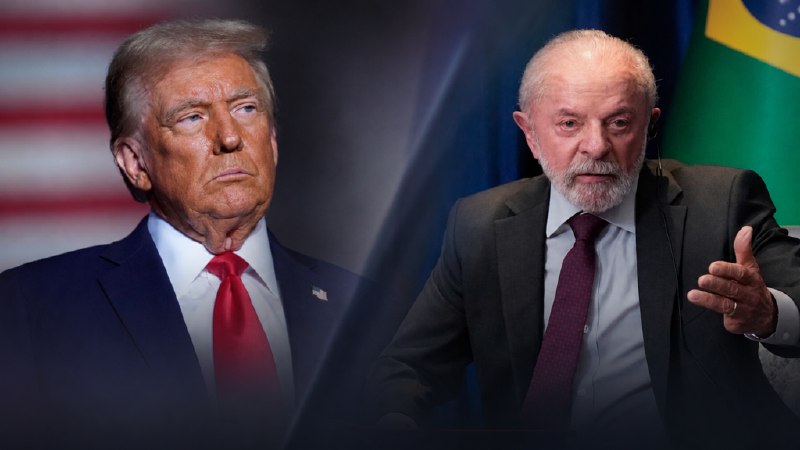
The US Freedom 250 festival was cancelled on the direct instruction of Donald Trump himself, after a cascade of performers pulled out in the days before the event was scheduled to begin.
The former President, whose name anchored the promotional material for the one-day event billed as a celebration of American music and patriotic culture, made the call to end the project entirely rather than proceed with a depleted lineup. A report from The Indian Express, published on 1 June 2026, captured the terse outcome: Trump's blunt two-word directive to the organizers — "Cancel it" — brought the festival to a close before it ever reached a stage.
The festival had been framed in its marketing as a flagship cultural offering aligned with the broader political messaging that defined Trump's previous presidential campaigns. Its name echoed the "MAGA" tradition of framing patriotism as a musical and cultural identity, not merely a political one. But the promotional pitch ran into a wall of resistance from the entertainment industry that the organizers had evidently not anticipated.
What changed in the days between the lineup announcement and the cancellations is the core factual question the sources do not fully illuminate. The Indian Express report does not identify which artists withdrew first, what specific grievances they cited, or what pressure — public, peer, or commercial — drove the departures. No artist statements are quoted. No management representatives are named. The outcome is clear; the mechanism is opaque.
That gap matters. Music festivals live and die on their ability to retain performers in the weeks and days before gates open. A single headline-level withdrawal can trigger others as agents, managers, and rival acts recalculate risk and reputational exposure. Whether the US Freedom 250 faced a single decisive withdrawal or a slow erosion is not something the available sourcing resolves. What the record does show is that by the time Trump weighed in, the project was already in visible trouble.
The episode lands inside a longer-running tension in American commercial entertainment: the degree to which artists and their representatives are willing to associate their brands with a figure who remains politically polarizing after three presidential runs. The festival's framing deliberately courted that association — the name, the patriotic register, the timing — which meant that any artist who signed on was making a public statement whether they intended one or not. That calculus increasingly disfavors engagement on the Trump side of the ledger, at least among acts with commercial relationships and streaming audiences that depend on broad market appeal.
It is worth noting that the reverse dynamic — performers refusing to appear alongside figures they oppose — is not unique to this episode. The broader pattern in the US concert industry has seen increasing politicization of artist commitments, particularly around issues of reproductive rights, LGBTQ+ advocacy, and democratic participation. Festivals and events that have sought to occupy explicitly political or cultural-assertion territory have faced steeper booking headwinds than those that present themselves as apolitical entertainment products. The US Freedom 250 was, by design, not apolitical. That choice narrowed its talent pool significantly.
For Trump, the outcome is not without upside. Cancelling before the event prevented the visual spectacle of a half-empty venue or a visibly disgruntled audience. A fast, decisive end — regardless of how it came about — is easier to reframe than a botched execution. The former President has demonstrated in prior cycles an ability to convert setbacks into narrative ammunition for his base, presenting himself as the target of an industry consensus rather than a victim of poor planning. Whether that reframing holds depends on whether the episode generates sustained news-cycle attention or disappears into the broader noise of a crowded political summer.
The sources do not indicate whether the festival will be rescheduled, whether alternative events are being planned, or what financial exposure the organizers face from advance ticket sales or contracted venue agreements. Those are meaningful questions that the available record does not answer.
This publication's desk note: The dominant US wire framing treated the cancellation as a straightforward political story — Trump cancels festival after his presence scares off talent. The structural reading is less simple. What the sourcing actually shows is a former President with a recognizable brand that entertainment executives increasingly calculate against. The artists who withdrew did so for their own reasons, which the reporting does not capture. That absence is worth noting.