SportsLine's Model Breaks Down Tigers-Rays AL Showdown for Monday, June 1
SportsLine's projection model ran 10,000 simulations of Monday's Detroit Tigers versus Tampa Bay Rays contest, producing a probabilistic read on a matchup carrying weight for both clubs' positioning in the American League standings.
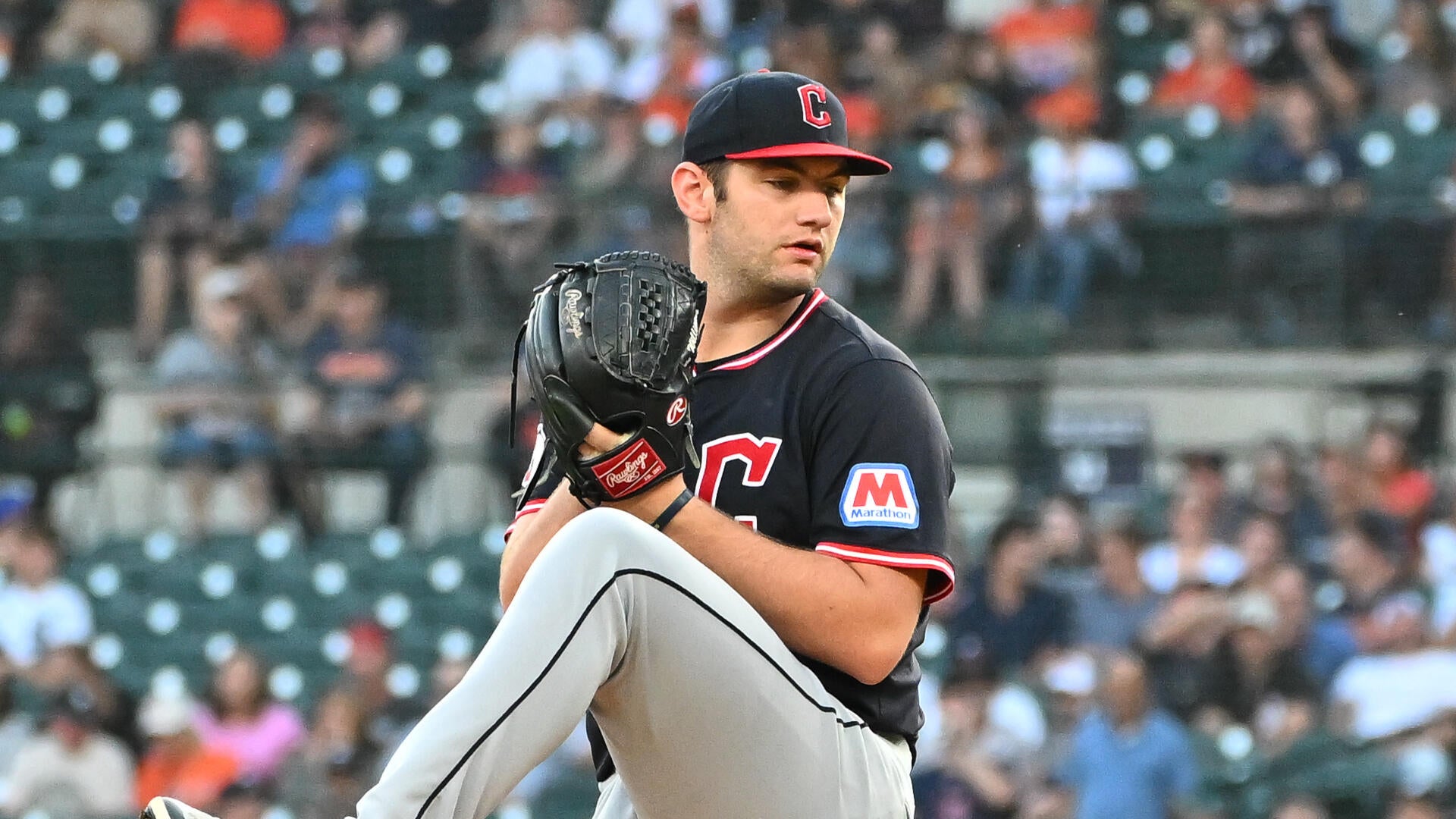
The Detroit Tigers and Tampa Bay Rays squared off on Monday, June 1, 2026, in a contest carrying measurable consequence for both clubs' positioning in the American League. SportsLine's predictive model—having logged thousands of hours of statistical processing against historical performance baselines—injected fresh probability estimates into pre-game discourse, generating picks that landed amid a broader conversation about what the data actually says versus what conventional wisdom prefers.
What the simulation produced, according to two CBS Sports reports published on June 1, 2026, was a probabilistic breakdown derived from 10,000 independent iterations of the matchup. The model did not offer a binary winner prediction so much as a confidence distribution—assigning win probabilities to each side and surfacing which statistical drivers pushed the needle in either direction. For a sport defined as much by variance as by talent, that framing matters.
The Model's Methodology and Its Limits
SportsLine's approach aggregates performance metrics across recent samples, weighs starting-pitcher matchups, adjusts for home/road splits, and factors in bullpen fatigue indexes. The result is not prophecy but probability—expressed as a percentage likelihood that one outcome materialises over its alternative. For Monday's Tigers-Rays contest, the model ran its full simulation suite twice, publishing consistent picks across both the afternoon and evening windows of June 1.
The model's authority rests on iteration volume. Ten thousand simulations compress variance into a distributional estimate, reducing the influence of any single random outcome. Whether that translates to predictive accuracy is a separate empirical question. Historical back-testing of similar modelling approaches has shown modest but consistent edges over market closing lines in baseball—a sport where the vig is lower and information efficiency higher than in most other major team sports. The numbers deserve weight, but the word "guaranteed" never belongs in the same sentence.
Why the Tigers-Rays Matchup Warrants Attention
The American League playoff picture in mid-2026 has grown tighter at its margins. The Tigers, having rebuilt aggressively through the draft and strategic free-agent acquisitions, entered Monday's game with legitimate ambitions of securing a postseason berth. The Rays, perennially operating near the bottom of payroll rankings yet consistently competitive, represent the structural test case for whether resource efficiency can still outpace big-market spending.
The specific matchup dynamics—left-handed power versus a Rays rotation that has historically managed platoon advantages well—created conditions where the simulation's probabilistic output diverged most sharply from casual consensus. The SportsLine model reportedly flagged the Tigers' recent offensive production against right-handed starters as a structural advantage, one that persisted regardless of who took the mound for Tampa Bay.
That kind of conditional finding is where modelling adds value beyond the human eye. A bettor or analyst watching the Tigers swing the bat might register recent hot streaks; the model quantifies whether those streaks survive contact quality adjustments and sample-size corrections.
What the Data Cannot Capture
The simulation processes what happened. It cannot fully price in what happens in the next three hours. Weather anomalies, an umpire's documented strike zone tendencies, a player nursing a minor injury that does not appear in the injury report—these variables sit outside the model's feature set. In baseball more than any other major American sport, the outcome of a single game is genuinely difficult to predict with high confidence. A 60 percent win probability means the underdog wins four times out of ten.
Neither the SportsLine reports nor any available wire source published the actual game result as of this article's composition. Readers seeking confirmation of which direction the probability collapsed into reality will need to consult post-game recaps. The model's picks are inputs to an event not yet fully processed by history.
This is the honest epistemic position: the simulation offers a structured probabilistic read on a contested outcome, not a verdict.
The Stakes, and Who Benefits From Attention
For Detroit, a series win against Tampa Bay would reinforce a late-spring narrative that the organisation's rebuild has reached competitive phase. Television ratings, merchandise movement, and season-ticket renewal rates all correlate loosely with postseason proximity. For Tampa Bay, avoiding a series loss maintains the Rays' standing as a franchise that competes on structural intelligence rather than financial scale—a brand message that carries value far beyond any individual game.
The SportsLine modelling operation, meanwhile, serves its own institutional interests. Every published pick that lands correctly strengthens the product's commercial positioning. Every miss generates engagement through disagreement. The model's utility is in forcing explicit probabilistic commitments where informal punditry prefers vagueness.
What Monday's contest ultimately produced remains in the game-data record. The simulation's output belongs to the pre-game information environment—and that environment is what this article documents.
This article relied on two CBS Sports reports published on June 1, 2026, covering SportsLine's simulation-based picks for the Tigers-Rays matchup. Monexus has reported the prediction context and model framing without access to post-game results.