Mexico opens the 2026 World Cup with a 2-0 win over South Africa — and a statement about who the tournament now serves
Goals from Raúl Jiménez and Julián Quiñones gave Mexico a comfortable 2-0 win in front of a packed Estadio Azteca, but the real story is the staging — a tournament that is, for the first time, officially hosted across three countries.
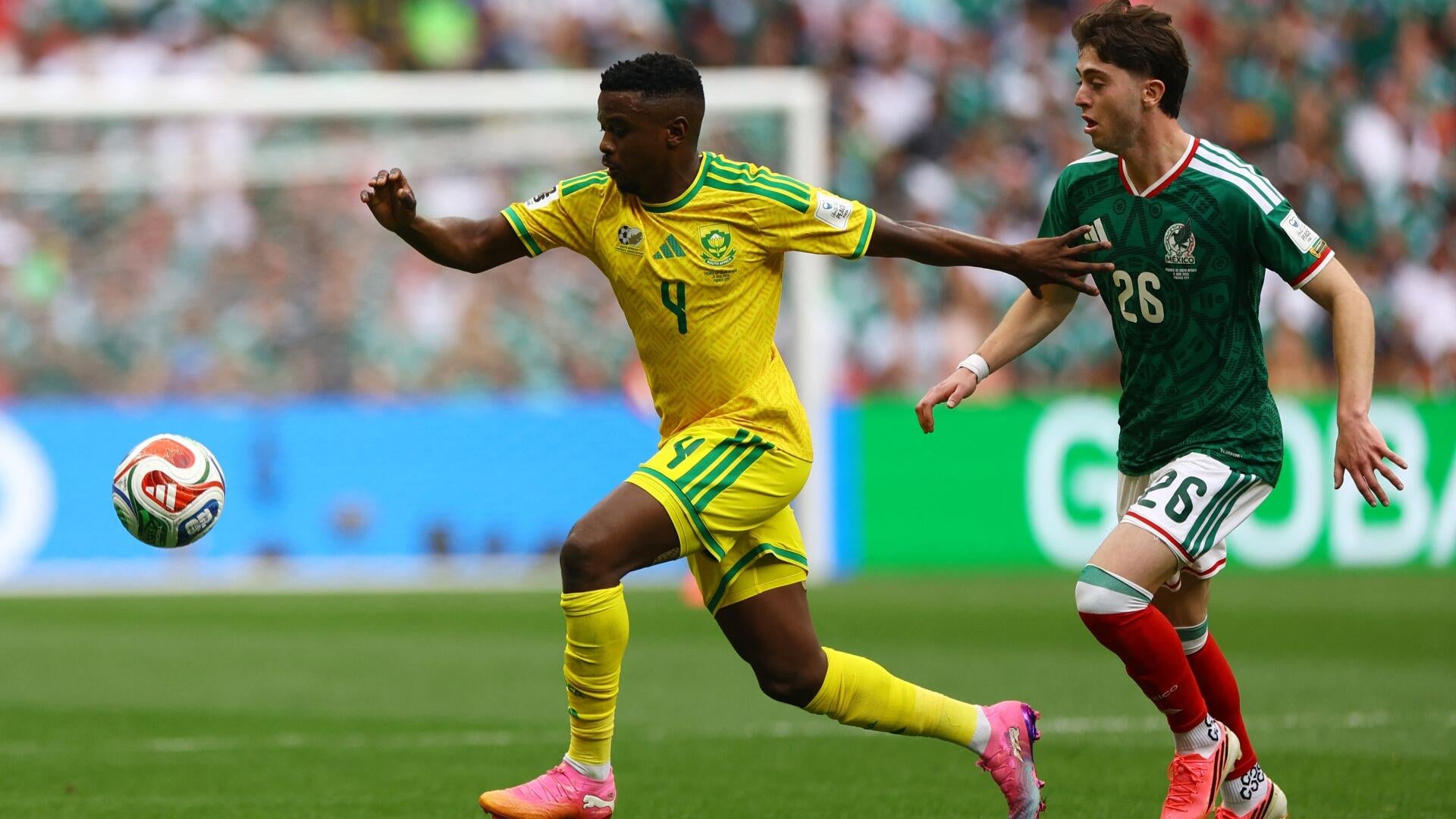
Mexico City — The 2026 FIFA World Cup began at 02:00 UTC on 12 June inside the Estadio Azteca, with a 2-0 victory for the hosts over South Africa in front of a sold-out, overwhelmingly pro-Mexican crowd. The scorers were Raúl Jiménez, the Fulham and former Wolverhampton Wanderers striker, and Julián Quiñones, the 34-year-old forward born in Colombia who became a Mexican citizen in 2023 and now plays for América in Liga MX. Both goals came before the hour mark, and the result was rarely in doubt after that, according to wire reporting from the match.
The opening ceremony leaned on the pageantry FIFA has made routine for these occasions — colour, dancing, and a headlining performance by the Colombian singer Shakira, returning to a World Cup stage she has owned since 2010. The football, for once, matched the production. Mexico looked organised, patient, and clinical against a South African side that, by its own coach's admission afterwards, took a bruising in the game's first half but still sees a path through the group. The 2-0 scoreline flatters the margin less than it flatters the timing: Mexico's second goal, just after the restart, settled a contest South Africa had refused to let settle on its own.
A tournament built across three borders
What distinguishes this edition from every World Cup before it is structural. The 2026 tournament is the first to be co-hosted by three countries — the United States, Mexico, and Canada — with the bulk of the matches played in US venues, a substantial share in Mexico, and a smaller Canadian footprint. The opening match in Mexico City is the symbolic centrepiece; the final, scheduled for 19 July, will be played at MetLife Stadium in East Rutherford, New Jersey, with most of the knockout rounds concentrated on US soil.
That geography matters for reasons that go beyond logistics. A World Cup staged primarily in the US — and broadcast into a US-centric commercial market — is, in effect, a World Cup whose media economy and stadium experience have been calibrated to the largest of the three host currencies. Mexican matches in Mexican cities retain their own local character, but the centre of gravity has shifted north, and the Mexican federation has had to negotiate its prominence inside a tournament whose commercial spine runs through American stadiums and American broadcast partners.
What the line-ups said about who FIFA trusts to deliver
South Africa arrived in Mexico City as the lowest-ranked of the six African representatives at this tournament and as a side whose head coach, Hugo Broos, has spent the better part of three years reshaping a squad that missed the 2022 edition in Qatar. Broos told reporters after the match, in comments carried by Daily Nation, that the loss was bruising but that the team could still qualify from its group — a familiar tournament line that becomes more credible when the next fixture is winnable. Mexico, by contrast, has the longest uninterrupted World Cup streak of any men's national team — a run the federation is plainly determined to extend in front of its own fans.
The selection of Quiñones, in particular, is a small but telling piece of squad design. A naturalised Mexican citizen who previously represented Colombia at youth level, he is the kind of player whose inclusion tells you how the federation is reading the league around it — a Liga MX in which foreign-born players who commit to Mexican nationality are increasingly central to the national team's attacking options, and a confederation that has decided to lean into that pipeline rather than resist it.
The political economy of a tri-nation World Cup
The deeper question the opener merely illustrates is who this tournament is now for. FIFA's broadcast and sponsorship architecture has, for two decades, been built to extract maximum commercial value from a global audience while keeping the bulk of the matches in one national market. The 2026 edition is the purest expression of that logic yet: 48 teams, 104 matches, 11 US host cities, three US broadcast partners of record, and a ticketing regime that has, in early reporting from the run-up, priced the cheapest seats out of reach of many local fans in the host cities themselves. Mexico and Canada get the opening match and the symbolic moment; the United States gets the infrastructure, the gate receipts, and the broadcast rights window.
That imbalance is not new, and it is not unique to FIFA. The pattern is familiar across global sporting bodies: a tournament nominally owned by the world, operationally anchored in the dollar, and politically accountable to the federation members who can deliver the largest media market on demand. Mexico's role in the opening match is, in that sense, both an honour and a constraint — a national team getting to play the first game of a tournament whose centre of gravity sits a three-hour flight north.
What to watch next
Mexico's second group fixture, against South Korea, will tell us more than the opener did. South Africa, against a European opponent in its next outing, will tell us whether Broos's post-match optimism is tactical sense or face-saving. And the tournament's broader reception — in US host cities, in Mexican venues, in Canadian ones, and across the African and Asian federations whose teams have travelled furthest for the smallest share of the broadcast window — will determine whether the 2026 World Cup is remembered as a celebration of the three-nation hosting model or as the moment that model began to show its seams.
For now, the ledger is simple: two goals, three points, one stadium that has hosted World Cup openers across half a century, and a tournament whose commercial architecture is, as ever, more interesting than the football on the day it began.