Pakistan's Geneva stage: the curious choreography of a US-Iran deal nobody has read
A peace accord announced by Islamabad, brokered in language all sides have agreed to keep vague, and scheduled for a 19 June signing the deal's own principals have yet to publish.
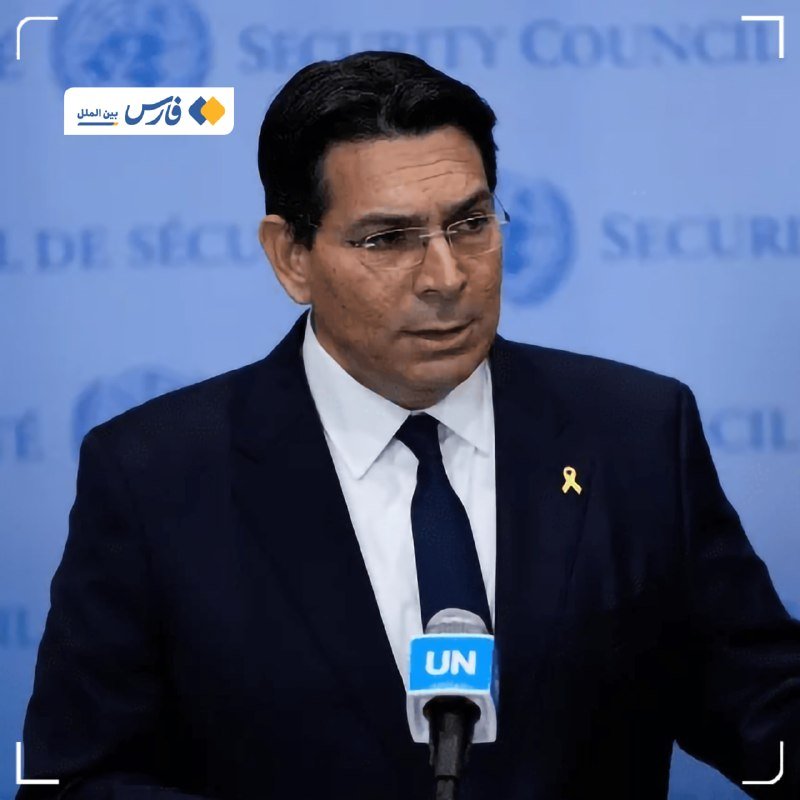
At 06:19 UTC on 15 June 2026, a single line landed on Middle East Eye's live feed: the United States and Iran say a peace deal has been reached, with formal signing planned for 19 June in Geneva. By 06:34 UTC, the European Union had chimed in with its own welcome. The choreography is suspiciously neat — a war-battered region, a 108-day countdown, and a Pakistani intermediary reading the communique that the parties themselves have not yet published.
The official line, as of the 06:05 UTC pinned update, is that the accord will be formally signed in Geneva on 19 June, that it promises to reopen maritime routes and end hostilities, and that Washington will release $12 billion in Iranian funds. Those are the only three concrete commitments on the public ledger. Everything else — the nuclear file, the proxy question, the disposition of strikes conducted since the war began — is currently unstated, off-record, or simply absent from the text anyone has seen.
What we are actually being told
The story as it stands is thin in a way that should worry careful readers. Pakistan is the messenger; Geneva is the venue; the United States and Iran are the named counterparties. The European Union has registered support and called for "lasting peace," a phrase that is, by diplomatic standards, almost weightless. There is no signed text. There is no Iranian foreign ministry readout. There is no White House fact sheet. There is, in short, an announcement in search of a document.
It is worth being precise about what is sourced and what is not. The 06:19 UTC Middle East Eye item attributes the announcement to "the US and Iran." The 06:05 UTC pinned update credits Pakistan with the formal-signing announcement. The $12 billion figure appears in the pinned update as part of the same package. None of these items carry a direct quote from a named principal, and the Iranian state-aligned wire Fars ran a 16-minute live stream beginning at 06:28 UTC whose content is, at the time of writing, opaque to anyone not watching in Persian.
The counter-read: why a deal this vague is being sold this loudly
Two readings are simultaneously plausible, and a serious analysis has to hold both. The first is the charitable one: that 108 days of war have produced an off-ramp the parties genuinely want, and that a low-information announcement is simply the price of keeping the substance intact while negotiators finish the brackets. The second is darker: that a deal whose text is unknown is a deal that each side can later describe however its domestic audience requires, and that the public announcement is being used to lock in a ceasefire, reopen the Strait, and move frozen funds before anyone has time to litigate the fine print.
The structural reality supports the second reading more than the first. Maritime corridors, frozen central-bank balances, and energy markets do not wait for texts. They reprice on headlines, and a $12 billion release is exactly the kind of figure that can move Brent crude within minutes of confirmation. The Polymarket wire at 21:29 UTC on 14 June — the first public signal of the announcement — was already treating the deal as fact for pricing purposes, six hours before the EU's welcome and roughly nine hours before the planned Geneva signing.
What the Western framing leaves out
Coverage in the Western wire so far has tended to treat the deal as a self-contained diplomatic event: two governments, one mediator, one venue, one date. That framing is incomplete. A 108-day war in which Iran, Israel, and the Iran-aligned axis in Lebanon have all been active is not closed by a US-Iran bilateral, no matter how loudly it is announced in Geneva. The status of the Litani River operations flagged in the URL slug of the Middle East Eye live page — Israel saying it will control bridges and an area south of Lebanon's Litani — is precisely the kind of unresolved theatre that gets quietly dropped from communiques and loudly re-litigated two weeks later.
The other blind spot is energy. A deal that "reopens maritime routes" is, in effect, a deal about who gets to ship oil through the Strait of Hormuz and at what insurance premium. The interests of Gulf producers, of Indian and Chinese refiners, and of the European importers who have spent the war scrambling for non-Iranian barrels are all in the room but none of them are at the table. That asymmetry will outlast the photo opportunity in Geneva.
The structural pattern: announcement as instrument
What is striking is not that a deal has been reached — those happen. What is striking is the sequence: a market-making signal on a prediction platform, an announcement attributed to a third-party mediator, an EU endorsement, and then a Tehran-aligned live stream whose content the English-language wire cannot read. Each step is calibrated to a different audience. The market gets the headline. The mediator gets the credit. The Europeans get the talking point. The Iranian domestic audience gets a Fars broadcast. And the principals retain the option, for several more days, to define what they have actually agreed to.
This is the deeper pattern. In a world of dollar-priced energy, platform-mediated information, and corridor politics, the announcement itself has become a weapon. It reprices insurance, frees reserves, opens sea lanes, and confers legitimacy — all before a clause has been tested in contact with reality. The 19 June signing in Geneva will not be the moment the deal becomes real. The deal is already real, in the sense that markets and ministries are acting on it. The signing is the moment it becomes contestable.
What remains genuinely uncertain
Three things. First, the text: no English-language source in the current thread carries a published draft or final copy, and the only Iran-side signal is a 16-minute Fars live stream whose contents have not been transcribed in the wire available to us. Second, the nuclear file: nothing in the public reporting so far addresses enrichment, inspection, or the stockpile question that triggered the war in the first place. Third, the proxy theatre: there is no indication in the available reporting of any Israeli, Hezbollah, or Houthi commitment, and an Iran-US bilateral that leaves the active front in southern Lebanon unaddressed is, at best, a partial ceasefire.
Monexus will treat the 19 June Geneva signing as a load-bearing event only when the text is public. Until then, what we have is the choreography — and the choreography, on the evidence so far, is being performed for audiences the principals have not yet named.
Desk note: Monexus is publishing on this story as announcement, not as settlement. Where the Western wire has been quick to declare a deal, this publication is holding the word "deal" in quotation marks until a document is on the table.
Wire provenance
This editorial synthesis draws on the following public wire/social posts:
- https://x.com/Polymarket/status/2066327136089100288
- https://t.me/farsna