The 60-Day Mirage: How the US-Iran Optics Game Is Quietly Reshaping the Oil Patch
Washington and Tehran are staging a choreography of de-escalation that markets are pricing as peace. The lubricant supply chain, Polymarket, and the missing negotiating table tell a different story.
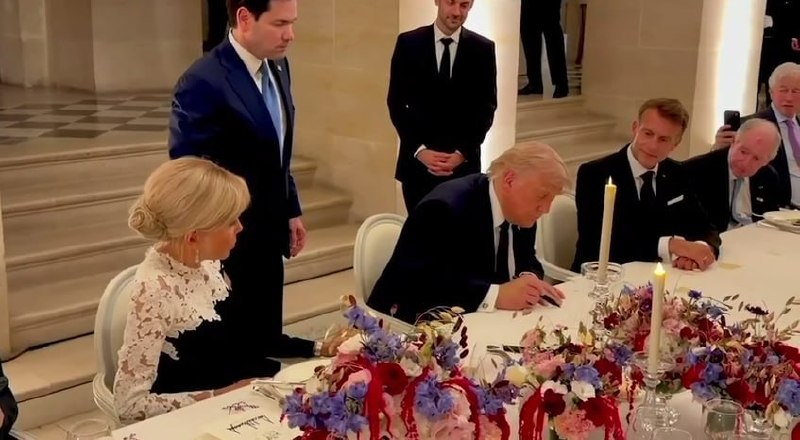
On 16 June 2026, with negotiators reportedly still circling the runway, the US and Iran began performing the rituals of de-escalation: optics first, substance later. The dance is not new. It is the same choreography the two governments have run in 2015, 2019, and 2023 — with different cast lists and the same missing table. What is new is who is watching, and what the watchers are pricing in.
The thesis here is simple. A 60-day window in which the two sides agree to talk about talking — without actually sitting down on the file that has broken four previous rounds (enrichment, inspections, sanctions sequencing) — is not a peace process. It is a market signal, and the markets are already sorting out who pays for the performance.
The enrichment question that refuses to die
According to Al Jazeera English's 16 June 2026 briefing, US and Iranian negotiators had, as of that morning, not yet held substantive talks on the issues that have blocked diplomacy for decades. The framing — "optics of peace first, details later" — is the kind of line that ages badly. Past rounds have collapsed not because the optics were wrong but because the centrifuge numbers, the IAEA inspection regime, and the timing of sanctions relief were never honestly traded against each other.
The Polymarket contract on whether Iran agrees to end uranium enrichment by 31 December 2026 stood at 60% on 16 June 2026. That is a meaningful number, and a peculiar one. A prediction market at 60% implies the median bettor thinks the headline outcome is more likely than not, but the spread is wide enough that one unconfirmed enrichment disclosure, one Israeli strike on Natanz, or one IRGC leadership reshuffle in Qom could move it 20 points overnight. The market is not pricing peace. It is pricing a coin with a known manipulator on one side.
Why the lubricant story is the real story
NPR's 16 June 2026 report on motor oil prices is the kind of piece that gets filed under "consumer" and forgotten by foreign-policy desks. It should not be. The US is the world's largest crude producer, but base-oil refining — the actual feedstock for engine lubricants — is concentrated in a handful of Asian and Gulf facilities. When a war disrupts shipping through the Strait of Hormuz or scares insurers off Gulf port calls, crude prices do not move first. Specialty product prices do, because the inventory cushion is measured in weeks, not months.
That is what the NPR piece is documenting. The price of motor oil is soaring, and a tentative deal — even the 60-day kind — will not unwind that, because the supply chain is months away from refilling and the refineries that make Group III and Group III+ base oils are not in Texas. They are in Singapore, in Ulsan, in Yanbu, and in plants that sit firmly inside the same political weather system as the negotiating table. The American driver filling a tank in Phoenix is, in other words, paying for a foreign-policy performance he has not seen the script of.
What the counter-narrative gets right
The honest counter-read is that a 60-day window is better than a 60-minute one. Diplomacy, even staged diplomacy, can de-risk shipping routes, can lower war-risk premia, can keep insurers writing policies. The optimist is right that something is preferable to nothing. The market counter is that lubricant supply chains are not moved by intent statements. They are moved by hulls at anchor and by refineries running. And neither moves on a 60-day clock in a contested sea lane.
There is also a structural read the wire coverage is not surfacing. The 60-day choreography is useful to Washington because it defers a domestic political problem (a war the administration did not ask for, with a price tag the budget did not plan) into the post-November window. It is useful to Tehran because it buys time for the enrichment programme the negotiation is supposedly about ending. Both sides are extracting value from the same performance. The cost of that extraction shows up at the lube-oil pump, not at the podium.
The stakes, plainly stated
If the 60-day window closes with a real inspection regime and a credible sanctions-relief sequence, the Polymarket contract prints, the insurers re-enter the Gulf, and the lubricant curve flattens within a quarter. If it closes the way the previous four rounds closed — with a public split between "we agreed" and "we never agreed" — the base-oil squeeze persists, the enrichment question is deferred to 2027, and the next round of this argument starts with a longer casualty ledger. The probability the market is pricing is not the probability the user is living. That gap is the story.
Desk note
Where Al Jazeera and NPR treated the 60-day window as a diplomatic story, Monexus treats it as a supply-chain story with a diplomatic costume — and reads the Polymarket contract as the most honest polling of the room.