World Cup 2026 group stage delivers a Tuesday slate heavy on World Cup marketing — and thin on independent reporting
Tuesday's CBS Sports World Cup coverage led almost entirely with DraftKings promo offers and SportsLine picks — a pattern that says more about sports media in 2026 than it does about Argentina or France.
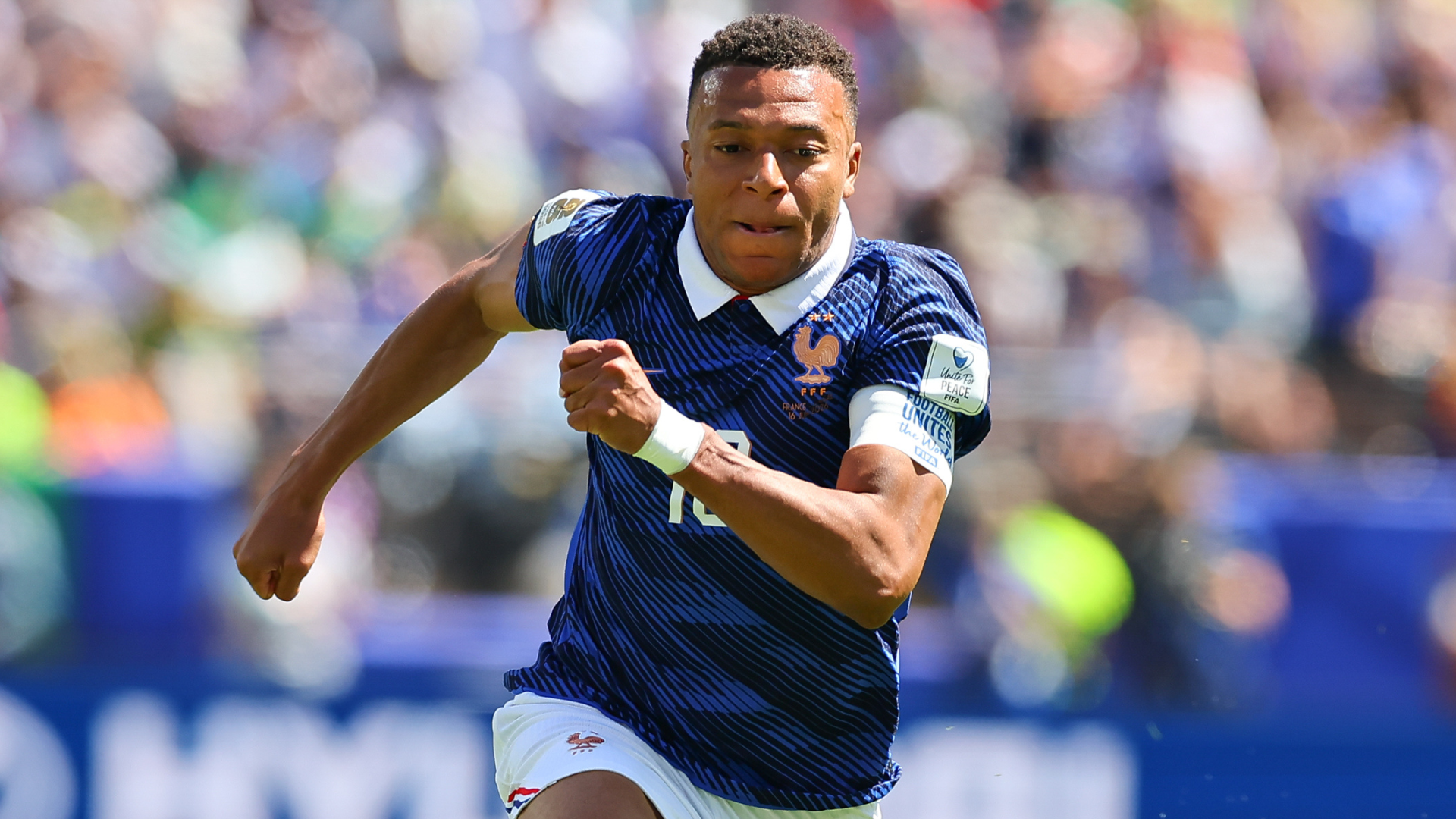
On Tuesday, 16 June 2026, the FIFA World Cup group stage delivered two fixtures that should have been treated as serious footballing events: France against Senegal, and Argentina against Algeria. Instead, the dominant US-facing coverage of both matches — surfaced across CBS Sports headlines between 13:51 and 21:08 UTC — collapsed into a single, repeating product: a DraftKings promo code offering $200 in bonus bets after a $5 wager, with SportsLine's soccer experts slotted in as the secondary commodity.
The pattern is the story. Four of the six thread items that surfaced on Tuesday carried the same DraftKings offer copy almost verbatim. The other two — published at 13:51 and 17:09 UTC — repurposed the same promotional chassis to house "expert" World Cup picks from SportsLine's Martin Green, who is described in the byline material as being on an 18-8 roll. None of the six items contained a fixture preview in the conventional sense: no tactical note, no injury report, no form line, no projected lineup. The coverage assumed the reader's primary identity as a bettor, and the sports journalism as a delivery mechanism for the betting relationship.
How the coverage actually reads
Strip the promotion and the underlying fixtures are genuinely interesting. Argentina-Algeria pairs the reigning world champions, now organised around Lionel Messi, against an Algerian side whose recent African Cup of Nations form made them a credible dark horse in the wider tournament. France-Senegal is a heavyweight-vs-neighbouring-talent fixture with the kind of diaspora narrative that usually earns three paragraphs in any serious preview. CBS Sports built neither. The match content was confined to odds, a kickoff time, and a one-line direction on the "best bet."
The promotional architecture was identical across items. A reader landing on the Argentina-Algeria piece at 13:51 UTC and the Senegal-France piece at 17:09 UTC would have seen the same DraftKings graphic, the same "$200 in bonus bets instantly after your first $5 wager" copy, and the same implied call to action. The sports journalism had been reduced to a wrapper around the affiliate relationship.
The counter-narrative: this is what readers came for
The defence of the model — and it is a real defence — runs as follows. US sports audiences have voted with their click-throughs. The SportsLine "expert on an 18-8 roll" framing is itself a market-tested claim, and the affiliate pipeline that funds it pays for the World Cup coverage that readers otherwise consume for free. The headline count is not a bug. It is a product of an audience that is, demonstrably, shopping for an angle.
That defence is not frivolous. Sports media in the United States has been on a long, slow migration from subscription and broadcast advertising toward affiliate revenue, and the World Cup — a quadrennial spike in casual viewership — is exactly the moment when that migration shows up in the data. The risk is not that the model exists. The risk is that, by 2026, the model has stopped being one revenue line among several and has become the editorial logic itself.
What the structural frame looks like
In plain terms: when the marginal cost of acquiring a bettor is lower than the marginal cost of producing a tactical preview, and when affiliate conversion pays more per pageview than a serious long-form read, the pageview product drifts toward the affiliate. The drift is not the result of any individual editor's decision. It is the result of an industry whose unit economics have been reorganised around the betting platform.
The corollary is a quieter, more uncomfortable point. The same audience that consumes the promo-laden coverage on Tuesday is the audience that, on Wednesday, will be quoted in consumer-protection hearings about problem gambling. The same outlet that runs the $200 bonus offer is the outlet whose brand carries, in the abstract, a duty of care to that reader. The conflict is structural, not personal. It is also, at this point, unresolved.
Stakes, and what to watch for the rest of the group stage
The honest read: the World Cup is still two months from its closing whistle, and the promotional density of the coverage will almost certainly intensify as the knockout rounds compress the betting handle into fewer fixtures. The variable worth tracking is not whether the promos continue — they will — but whether any of the major US-facing outlets break from the template and produce a Tuesday-style preview that is not, in effect, a paid placement. As of 16 June 2026, none had.
What remains uncertain is the audience effect. The source material does not specify conversion rates, hold percentages, or the split between first-time and returning bettors. The claim that the affiliate model is reader-driven is plausible; it is not, on the available evidence, audited.
Desk note: Monexus flagged this story not as a complaint about a single promo but as an artefact of where US-facing World Cup coverage currently sits. The same six thread items would, in a different editorial environment, have produced three previews and one picks column. On 16 June 2026, they produced six near-identical affiliate pages.