Water breaks, English flights, and the quiet commercial logic of a four-quarter World Cup
The 2026 World Cup has split each half around a mandatory cooling interval. Players say it helps. Sponsors say it helps too. English supporters are voting with their passports.
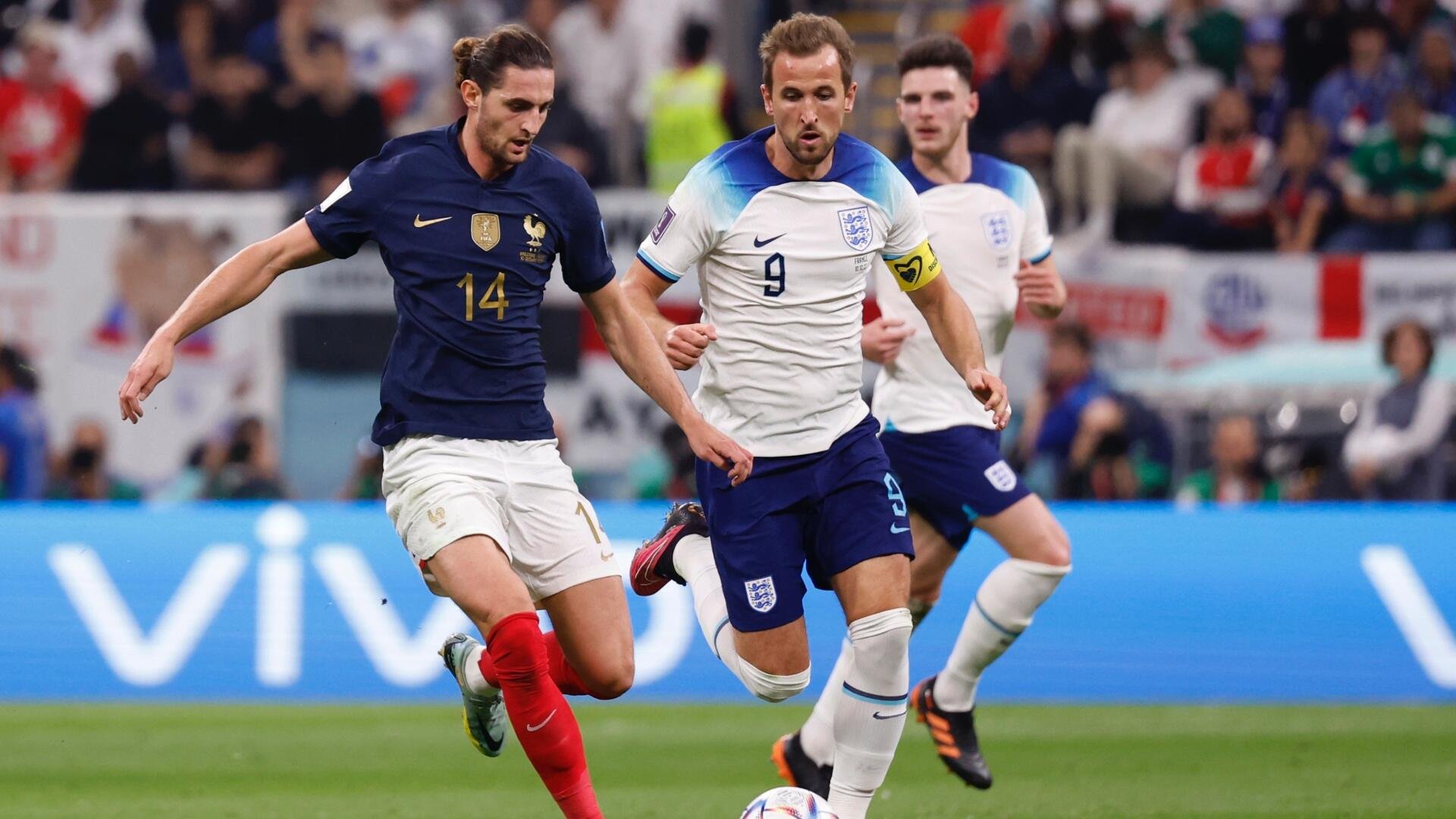
The 2026 World Cup has reorganised the football match. A regulation now mandates a structured cooling break in each half, and the result, as ESPN reported on 16 June 2026, is a game that feels less like two 45-minute halves and more like four quarters separated by a sponsor-coloured interval. The change was sold on player welfare. The commercial layer was never far behind.
The official logic is thermal. Hot-climate venues across the United States, Canada and Mexico make sustained exertion riskier than in a temperate European summer, and the breaks give players a chance to rehydrate, take instructions from staff, and reset. The unofficial logic is that a stopped match is a captive audience: cameras pan, replays cycle, broadcasters fill the dead air with analysis, and the sideline becomes a billboard. That is not a conspiracy. It is the structure of modern sport.
What the break actually changes
The hydration interval is short — typically a couple of minutes — and it splits each half. The tactical effect is modest: teams can recalibrate shape, substitute a tiring player, or simply disrupt an opponent who had built momentum. The larger effect is rhythm. As ESPN's reporting put it, players have noticed the four-quarter feel even if the scoreboard still reads 45 plus stoppage time. Coaches, who once managed games across a single uninterrupted block, now manage them in two.
The counter-argument from purists is straightforward: stoppages interrupt the flow that makes football distinctive. The counter-counter-argument, from the same players, is that flow is a luxury when the pitch temperature climbs. Both readings are defensible. Neither is going to undo a rule baked into the tournament's operating manual.
The commercial subtext
Sport governing bodies rarely make scheduling decisions on welfare grounds alone. Hydration breaks are a partial concession to climate and a partial concession to the broadcast economy, which values predictable ad-insertion points. The exact wording of the regulation, the length of the pause, the placement of sponsor graphics — these are the kinds of granular details negotiated in working groups that never get filmed. The public sees a water bottle. The industry sees a clock.
That does not make the rule cynical. Player safety is real, and heatstroke in a major tournament is a medical emergency, not a talking point. But it is worth naming the structure. When a regulator imposes a new pause, three things usually follow: a sponsor activation, a broadcast overlay, and a tactical adaptation. The 2026 World Cup is no exception.
Dallas fills with English voices
While the rule-makers argued over intervals, the supporters argued with nobody. BBC Sport reported on 16 June 2026 that as many as 15,000 England fans had travelled to Dallas for the Three Lions' opening fixture — a migration that reflects both the cost of the trip and the depth of the demand. Dallas, with its existing English-speaking infrastructure and established supporter pubs, has become a natural staging post for travelling England fans.
The practical story is logistics: transatlantic flights, block-booked hotels, charter arrangements, and the small economy of shirts, scarves, and pints that follows a travelling support. The larger story is that the 2026 tournament is the first World Cup where English fans face the shortest travel of any major European contingent, with New York, Atlanta, Miami, and Dallas all reachable in well under ten hours. The barrier is no longer distance. It is price.
What remains uncertain
The medical literature on cooling breaks is not unanimous. Some studies suggest the breaks do little to reduce core temperature, which keeps climbing through exertion regardless of a water break; others argue the brief recovery is enough to prevent the late-game performance drop that high heat produces. The FIFA-aligned evidence base leans toward the second reading, but the question is not fully settled. What is settled is the rule itself, which will govern every match of the tournament unless a venue drops below the threshold temperature.
The other unresolved question is whether the four-quarter rhythm will reshape how teams are built. Coaches who specialise in late-game intensity may find their edge blunted. Coaches who manage minutes more like basketball coaches — five-on, five-off rotation — may find theirs sharpened. The first month of the tournament will tell.
This Monexus desk framed the hydration break as a rule with two constituencies — players and broadcasters — and treated the English fan migration as a logistics story with a price-tag subtext rather than a spectacle story.