A World Cup Tuesday Built for the Marquee Names — and the Stakes Lurking Behind the Glamour
On a single group-stage day, Messi, Mbappé and Haaland are all on the pitch. The fixture list is a marketing dream — and a reminder of what the tournament has become.
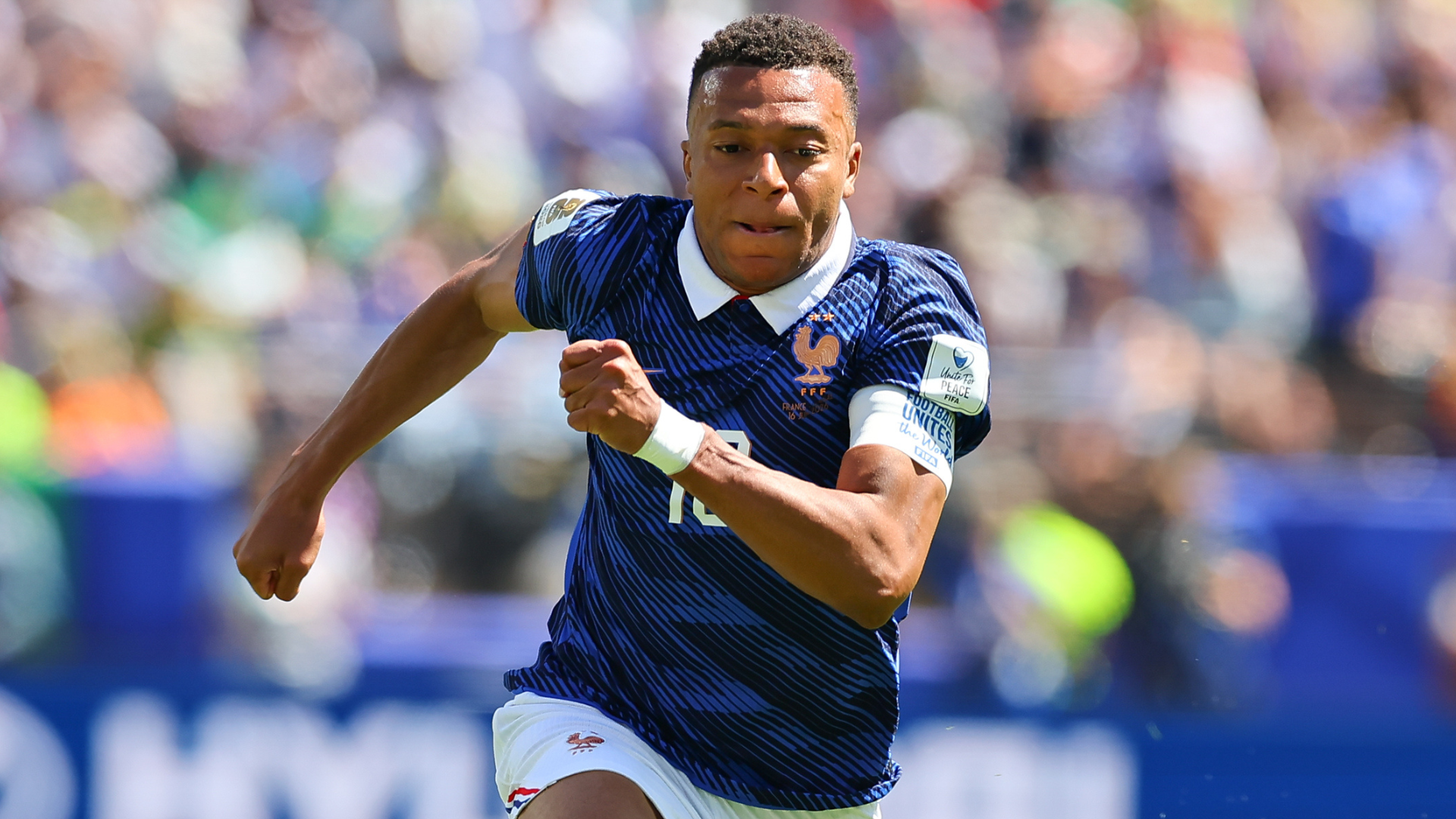
At roughly 13:00 UTC on 16 June 2026, ESPN's World Cup Daily Live broadcast opened with a fixture list that group-stage days rarely assemble: Lionel Messi, Kylian Mbappé and Erling Haaland all due on the pitch inside the same 24 hours. The framing was simple, and deliberately so. Three of the most-followed footballers on the planet, all playing, all on the same day, all available to the same global camera feed. For FIFA and its broadcast partners, this is the product. For everyone else, it is a useful prompt to ask what the tournament has been built to do, and for whom.
The marketing case writes itself. The World Cup has long been the single largest advertising vehicle in sport, and concentrated star density on a single matchday is the surest way to convert casual attention into recurring viewership. ESPN's live blog — anchored from its digital hub — is itself part of that machinery, an always-on companion to fixtures that, in earlier eras, were simply watched or listened to and then argued about in pubs. The product is the spectacle. The spectacle is also the story.
The fixture list as a commercial artefact
The economic logic of the day is straightforward. A World Cup match involving one of the three headline names reliably outperforms a fixture without one, both in stadium revenue and in broadcast-rights value, which is the largest line item on FIFA's balance sheet. The presence of all three on a Tuesday is, in the blunt language of the industry, an inventory event: scarcity, concentrated and priced accordingly. ESPN's editorial decision to build the day around those three names is a reflection of where the audience already is, not a contrarian editorial choice. The blog's structure — schedule, then the marquee fixtures in priority order — mirrors the rights-holder's own hierarchy.
This is not a critique unique to this World Cup. The 2022 tournament in Qatar was, by FIFA's own reporting, the most-watched in history, and the trend lines all point in one direction: more matches, more distribution windows, more commercial inventory. What is new is the density. A single group-stage Tuesday that delivers Messi, Mbappé and Haaland is a programming accident that no scheduler could have designed but that every rights-holder will advertise as if it were inevitable.
The counter-narrative: the tournament beyond the three names
There is another story on the same day, and it is the one most coverage will not lead with. Group-stage days are also when the tournament's structural inequities become visible: smaller federations playing the same opposition across multiple cycles with diminishing returns, broadcast windows allocated by market size rather than competitive balance, and squad depth differentials that no format tweak can paper over. A viewer who tunes in only for the three marquee names will see a tight, dramatic product. A viewer who scrolls past them will see a tournament in which the gap between the haves and the have-nots is widening, not closing.
The marketing of the World Cup has always depended on this contrast being invisible at the moment of consumption. The three names exist precisely because the federations behind them have spent two decades building the commercial scaffolding — club academies, league TV deals, brand partnerships — that produces a Messi or an Mbappé. The structural argument is not that this is unfair in any simple sense; it is that the tournament's narrative depends on a small number of players carrying the weight of a global event, and that dependency is itself a vulnerability.
What the day is actually testing
Strip away the broadcast wrapper and the on-pitch question is sharper than the marketing suggests. For Messi, the issue is workload and the slow arithmetic of a career in its final competitive cycle. For Mbappé, it is the recurring tension between national-team identity and the commercial gravity of his club situation, a tension that has shaped his last three major tournaments. For Haaland, the test is different: he has yet to deliver a definitive World Cup performance, and the gap between his club numbers and his international output is now a question he cannot keep deferring.
Each of those is a separate story. What they share is the same underlying pressure: a global broadcast apparatus that has priced the day around their presence, and a tournament whose competitive integrity is now structurally dependent on a handful of players staying healthy, staying available and staying interesting. The day is a marketing triumph. It is also a stress test.
Stakes and what the week is really about
For FIFA, the stakes are commercial: a group stage that delivers audience peaks of this magnitude is one that justifies the next round of rights negotiations, the 2030 hosting arrangement and the longer-arc question of how the tournament monetises a fragmented attention economy. For the players, the stakes are professional and personal: legacy, fitness, form at the wrong or right moment. For the smaller federations drawn into the same fixture list, the stakes are survival — a single high-traffic window in which a credible performance can fund a federation's next four-year cycle.
The honest read is that all of these are in play on the same Tuesday, and that the broadcast framing will mostly obscure the latter in favour of the former. The three names will dominate the highlights, the social cut-downs and the post-match analysis. The fixtures around them will be summarised in passing. The product, as designed, will work.
This publication covered the day as a marketing event and a competitive one in parallel. The wire led with the fixture list; the structural story is what the fixture list is built on top of.