Sorsby, the Big 12 and a $5m NIL deal: what the supplemental draft means for the player and the conference
Brendan Sorsby heads to the NFL supplemental draft carrying a $5m NIL valuation. The saga also revealed how a Texas attorney general's letter reshaped a conference.
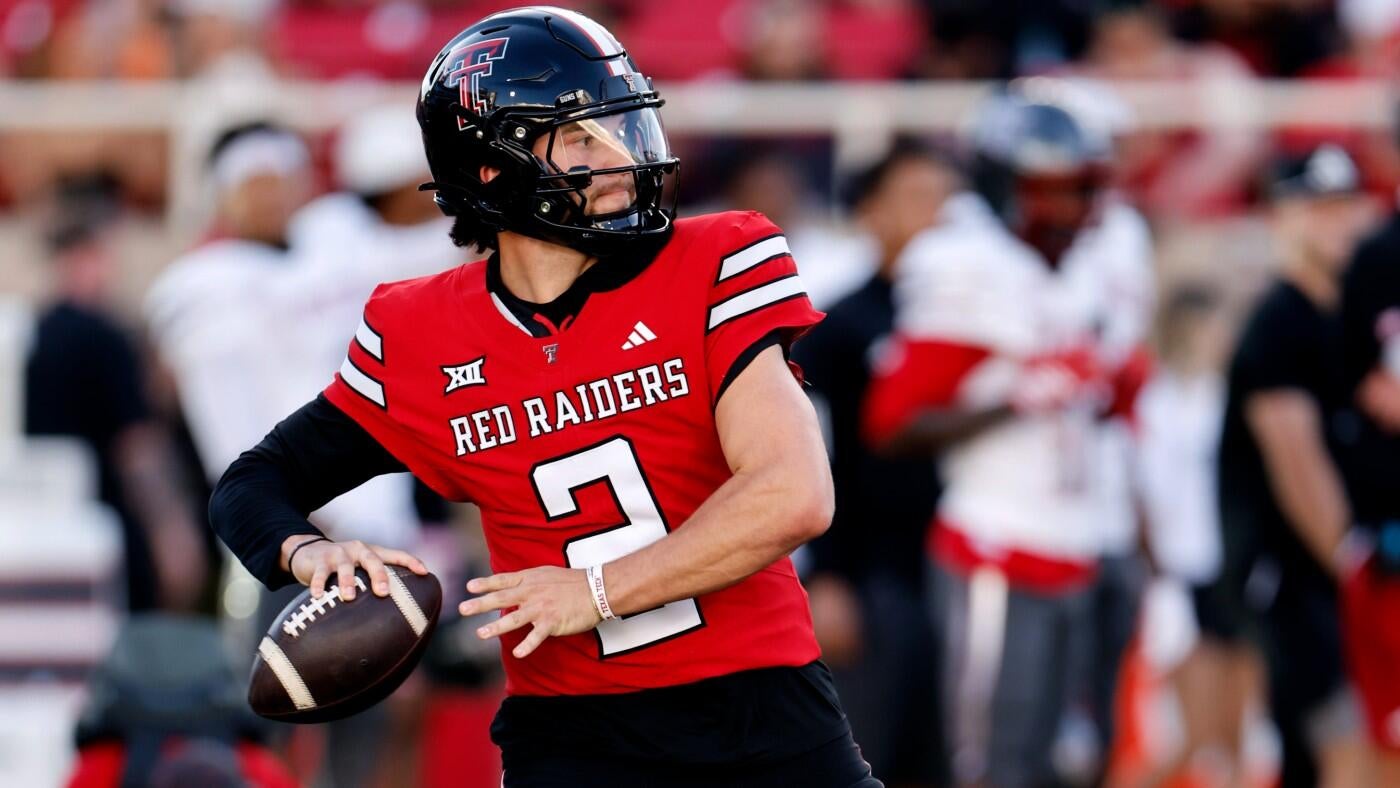
On 17 June 2026 the NFL's annual supplemental draft cycle turned into a referendum on two colliding economies: the college name, image and likeness (NIL) market, and a Power conference's ability to enforce its own eligibility rules. At the centre sits Brendan Sorsby, the quarterback who spent the most recent college season at Texas Tech carrying a NIL valuation reported at $5 million, and who is now headed for the league's supplemental process. The dollars are striking. The political backdrop is more striking still.
The supplemental draft is a small, often overlooked mechanism: teams that have lost a quarterback or a starter mid-cycle can bid a future draft pick to claim a player who has exhausted his remaining college eligibility. The structure has not changed for years. The money around it has. Sorsby's case is the clearest example yet of a player crossing the NIL-to-pro bridge in a way that exposes how loosely college football's competitive rules are tethered to its new financial reality.
The player and the price tag
According to a CBS Sports agent's-take projection published on 17 June 2026, Sorsby's NIL valuation at Texas Tech sat at roughly $5 million, and the article walks through what portion of that figure he might realistically recoup through the supplemental draft process. The piece, written by former agent Joel Corry, frames the question in cold financial terms: a fifth-year senior with one healthy year of tape is not the same prospect as a top-100 April draftee, and the supplemental pool compresses the leverage of any single team willing to part with a future pick. The analysis is careful to note that the valuation figure and the recoverable figure are not the same number — a distinction that matters when collectives, agents and conferences are all reading the same transaction through different ledgers.
The valuation matters for a second reason. NIL deals at Power-conference programmes are no longer side income; they are, in the language of multiple athletic departments, the operating budget of a roster. A $5 million single-athlete figure is not a record, but it sits comfortably in the bracket that has come to define the high end of the college quarterback market. When that player then departs mid-year for the pros, the question of who paid, who recoups, and who enforces the contract is no longer hypothetical.
How the Big 12 found itself at a constitutional moment
The financial mechanics are only half the story. The other half is administrative. A companion CBS Sports piece published the same day, 17 June 2026 at 16:47 UTC, describes how the Sorsby case became the moment Big 12 commissioner Brett Yormark "rose to meet his tenure-defining moment." The trigger was a letter from Texas Attorney General Ken Paxton that, in the framing of the CBS Sports account, effectively unified the conference behind a single interpretation of its eligibility rules when one of its members — Texas Tech — appeared to be playing outside the agreed lines.
The structural point is worth pausing on. State attorneys general do not normally write letters that bend a Power conference's compliance posture. In the NIL era, with collectives operating as effectively private payrolls and athletic departments signing off on the resulting transactions, the line between an institutional decision and a state-level political intervention has blurred. Paxton's involvement did not resolve a dispute; it short-circuited one. That is, on the CBS Sports reading, exactly the kind of moment a conference commissioner either navigates or is navigated by. Yormark, the outlet argues, pulled the right levers: clear public statements, member-to-member coordination, and a final eligibility outcome that kept the conference intact through a politically charged off-season.
The structural frame, in plain terms
College football is now operating a professional salary system in a tax-exempt, amateur-rule container. The container is creaking. NIL collectives raise money as 501(c)(3) entities in many states and pay it out as de facto wages; conferences police eligibility as if the underlying economy were still 1990s scholarship athletics; and state-level officials have begun to treat the largest programmes as public assets worth intervening over. The Sorsby transaction sits inside all three layers at once. The $5 million figure is the most legible number, but the AG letter is the more durable precedent: a future commissioner is now on notice that an elected state officer can move a conference's compliance position by simply writing one page of correspondence.
There is a counter-read worth recording. The CBS Sports coverage is sympathetic to Yormark's handling and to the conference's institutional response, and that framing is not the only one available. A sceptical account would note that the same conference that invokes eligibility rules when convenient has been permissive about collective-driven payrolls that arguably violate the spirit of the same rules. Texas Tech, the sceptical reading goes, did not invent the loophole it walked through; it merely used the door the rest of the conference had left open. The dominant framing in the wire — Yormark as the steady hand — holds, but only if one accepts that the rules being enforced are the rules the conference actually wants.
Stakes and what to watch
The short-term stakes are concrete. Sorsby and his representatives are working to translate an NIL valuation into a guaranteed professional contract in a draft pool with thin leverage, and the supplemental process gives the buying team a unique structural advantage. For the Big 12, the stakes are institutional: the conference has now demonstrated, under external pressure, that it can resolve a high-profile eligibility fight without fracturing. That is a real piece of soft power in the next round of realignment conversations, where the league's media-rights position and its access to the College Football Playoff are both up for negotiation.
Over a longer horizon, the case is a small marker of a larger shift. The professionalisation of college football is no longer the thesis of a white paper; it is the operating environment. Conferences that can credibly police their own members, and that can absorb the political attention of a state attorney general without losing coherence, will be the ones still setting terms in 2028. Those that cannot will find that the next letter arrives whether they are ready or not.
The Monexus desk frames this as a story about governance and money rather than a transaction note: the wire led on the dollar figure, the deeper question is who now writes the rules.