England 4-2 Croatia: Bellingham silences the noise, Tuchel gets the start he needed
A chaotic 4-2 win over Croatia in the World Cup opener gave Thomas Tuchel the answers he needed from Jude Bellingham — and gave the player himself a louder answer to those questioning his place.
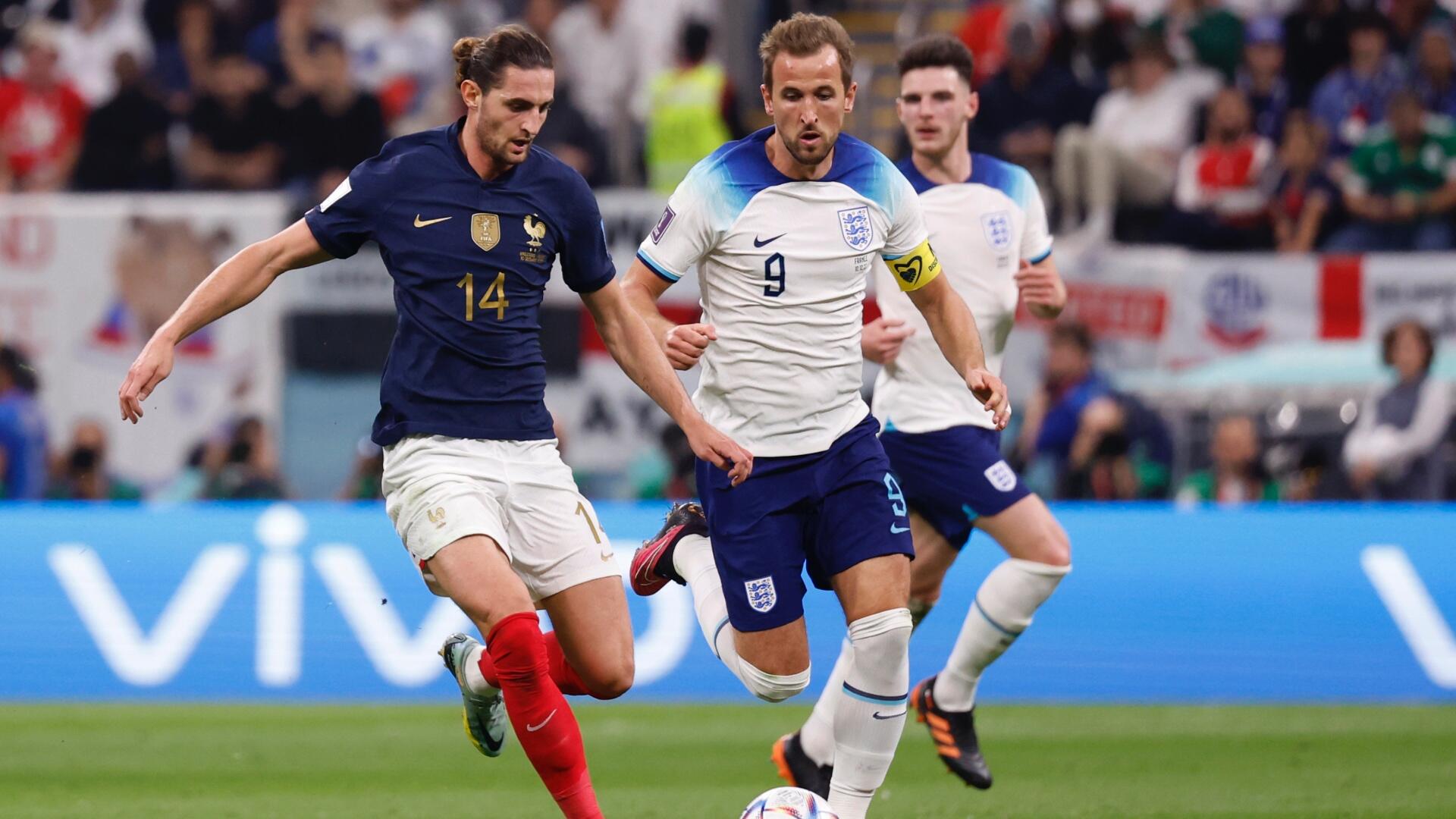
England's 2026 World Cup campaign began the way every campaign begins: with a question no one in the squad could quite answer until kick-off. The team that took the field in the early hours of 18 June 2026 UTC did so under a head coach, Thomas Tuchel, who had spent the previous weeks doing his level best to suggest that Jude Bellingham's role was settled — and a player who had spent those same weeks letting the external noise about that role do its work on him. By full-time the noise had a result: England beat Croatia 4-2, Bellingham scored the goal that broke the match back England's way 47 seconds into the second half, and the team flew home from the opening fixture with three points and, more importantly, with a shape.
What made the night matter, though, was not the scoreline. It was the answer it gave to a debate that had been allowed to metastasise for months. Bellingham, asked afterwards whether the chatter had become a burden, said he had simply "put the noise aside" to focus on the match. That is the kind of line a player learns to give. The more telling evidence is on the pitch: an England side that looked, for the first time in a long time, like it knew which ten it wanted to play.
The first hour looked like a problem
For the first 45 minutes, England's performance gave the doubters ammunition. Croatia, the perennial over-achievers of international football, refused to play the patsy. They took the game to England, scored twice, and spent stretches of the first half looking like the more cohesive unit — the kind of side that has knocked England out of the last two major tournaments. There were moments when Tuchel's tactical plan, whatever it was on paper, looked like it was not translating. England went in at the break ahead, but only after a retaken penalty that required the intervention of the video assistant referee. The question of whether Kane's initial spot-kick should have stood was less important than the fact that England needed the technology to settle it at all.
It was, in other words, a first half that fit a familiar England template: plenty of individual quality, plenty of attacking threat, and just enough defensive softness to keep the country awake. The 4-2 final score flatters the performance. The 47th minute, when Bellingham turned the game back England's way, is the more honest data point.
The goal that changed the temperature
Bellingham's strike, 47 seconds into the second half, was not a thing of beauty. It was a thing of timing. England had come out for the restart looking like a different side, and within a minute Bellingham had found the net to make it 3-2. The match was never level again. That is the value of a number ten playing with conviction: you do not need a 30-yard volley, you need a goal in the window when the opposition thinks it can settle into the second half.
The post-match commentary told its own story. Tuchel was "effusive," according to Sky Sports, in his praise of both Harry Kane — "all-in," his word — and Bellingham, whom he called a "team player." Both labels matter. Kane's "all-in" is a pointed answer to the persistent question of whether the captain's energy drops in tournament football. Bellingham's "team player" is a pointed answer to the persistent question of whether the twenty-something star is a luxury item or a connective one. The two readings are not unrelated: an England that gets both players in the right mode is a much harder team to play against than an England that has to choose between them.
The noise, and what it actually is
The framing of Bellingham's tournament as a referendum on his place is, in the end, a media artefact. A player at a Champions League-winning club, with a Ballon d'Or-or-bust reputation and a public profile that bleeds into every celebrity column in the country, is always going to generate more column-inches than a holding midfielder. The "noise" Bellingham referenced is the cumulative weight of those column-inches: weekly questions about his position, his relationship with the head coach, his suitability for a system that has historically been built around the talents of others.
The interesting structural point is that the noise did not, in the end, dictate the team sheet. Bellingham started in the number ten role, the role that is by long English tradition the most fought-over on the pitch. He scored. The head coach got the answer he wanted, and the player got the platform he asked for. That is not always how these stories go. That it did this time is partly down to Bellingham, partly down to Tuchel, and partly down to the simple fact that there was no obviously better alternative.
What to watch next
The result gives England a clean baseline. Three points, four goals scored, two conceded, and a player who publicly said the right things and privately produced the only goal of the second half. The structural question is whether the second-half shape is repeatable, or whether it was simply the consequence of Croatia's age catching up with them late. That is the question every opening match tries to hide, and every second match tends to answer.
For Bellingham, the path forward is more personal. He told the BBC on 18 June that the chip on his shoulder may help him find his best form during the tournament. Whether that chip is a useful piece of equipment or a destabilising one will become clear in the second game, and the third, and the knockout round when it comes. England have, for the moment, the player they need and the coach who picked him. The rest is a tournament.
Desk note: Monexus framed this as a story about a tactical choice vindicated and a public conversation resolved on the pitch. The wires, by contrast, framed it primarily as a Jude Bellingham redemption arc. Both readings are supportable from the same footage; ours treats the head coach's selection as the more durable news.