NATO backs Iran-US memorandum as Strait of Hormuz reopening enters the frame
NATO Secretary General Mark Rutte called the new Iran-US memorandum a positive step toward stability, with the possible reopening of the Strait of Hormuz sitting at the centre of what comes next.
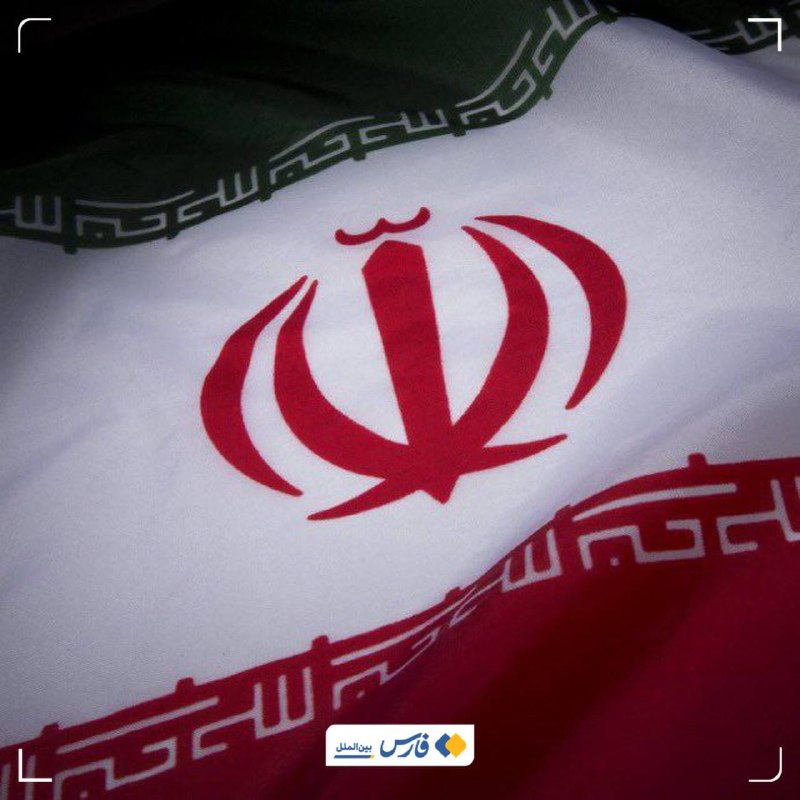
NATO Secretary General Mark Rutte endorsed on 18 June 2026 a freshly signed memorandum of understanding between Iran and the United States, telling reporters that the deal represents "a positive step towards stability" and explicitly welcoming the prospect of the Strait of Hormuz being reopened to commercial traffic. The endorsement, carried by Iranian state-aligned outlets Tasnim News and Fars News International, marks the first time the alliance has publicly lent its weight to a bilateral arrangement that had until now travelled on a narrower diplomatic track between Washington and Tehran.
The framing matters as much as the substance. For months, the file had been treated as a Middle East regional question — sanctions choreography, nuclear inspections, prisoner exchanges, a tense shipping lane. By pulling it into a NATO communiqué-style readout, the alliance is signalling that the European and North American members consider the architecture of the deal a transatlantic concern: energy security, freedom of navigation, and the credibility of the Western security umbrella all run through the strait.
What the three wire items actually say
The Telegram-channel reporting from the morning of 18 June 2026 is unusually consistent across the three Iranian outlets that carried the news. Tasnim News English's lead, posted at 07:11 UTC, opens with the line that the agreement is a "positive step towards stability" and frames the response as coming from the NATO Secretary General in direct reply to the signing of the memorandum on the end of the war between Iran and the United States. Fars News International's 07:06 UTC bulletin added a specific element Tasnim did not: the explicit reference to the possibility of the Strait of Hormuz being reopened, attributed to Rutte by name. Jahan Tasnim's 07:14 UTC dispatch repeated the NATO framing in near-identical language, suggesting a single NATO readout was distributed to the press pool and then re-circulated by Tehran-friendly wires.
Two things are notable about the sourcing pattern. First, the Western wire majors — Reuters, AP, Bloomberg, the Financial Times — have not yet been named in the Iranian-aligned reporting as carrying the same quotes, which means Monexus is relying on Iranian state-aligned translations of a NATO public-affairs line. Second, the phrase "end of the war between Iran and the United States" is doing significant political work in the framing. The wording implies a formal cessation of hostilities rather than a narrower confidence-building measure, and it is being used in Persian-language and English-language Iranian state media interchangeably. The choice of language is itself part of the story.
Why the Strait of Hormuz is the load-bearing element
Roughly a fifth of the world's traded oil moves through the strait on any given day. The chokepoint has been periodically disrupted in recent memory, and a memorandum that ties sanctions relief, de-escalation, and navigation guarantees into a single instrument is, in effect, a commodity-market event. Fars News International's emphasis on the possible reopening suggests Tehran views the deal through a sovereignty-and-flow lens — the strait as a national asset that Tehran can choose to monetise or restrict — while Washington and Brussels are likely reading it as a security-architecture question: can NATO's southern flank rely on predictable shipping for its allies' energy supply?
Rutte's careful wording does not commit NATO to a specific role. The alliance has no standing mission in the Gulf. What the statement does is prepare the political ground: if a monitoring, escort, or sanctions-verification arrangement is later needed, NATO members have already been heard calling the underlying deal a step in the right direction. The Strait of Hormuz, in other words, is being treated less as a transport question and more as a test of whether the Western alliance can credibly project stability into a region it does not formally police.
The counter-narrative Tehran will be carrying
Iranian state media's own coverage of the deal, in the same bulletins that carried the Rutte endorsement, is expected to lean on a different story: that the memorandum confirms the lifting or suspension of sanctions, the unfreezing of assets, and an end to what Iranian officials routinely describe as economic warfare. The two readings — NATO's stability framing and Tehran's sovereignty-and-relief framing — are not necessarily incompatible, but they will produce different metrics of success. NATO will be watching transit volumes and the absence of incidents; Tehran will be watching banking-clearing access, oil-export licence issuance, and the speed of any tangible sanctions relief. Monexus finds that the political durability of the arrangement depends on which set of expectations is disappointed first.
There is also a regional audience neither the NATO readout nor the Iranian wires are foregrounding: the Gulf Arab states, which have a direct stake in any architecture that touches the strait. They are not named in any of the three wire items. The omission is itself a signal: this phase of the deal is being managed as a Washington-Tehran track with allied blessing, not as a Gulf-cooperation-council-led process.
What we verified / what we could not
Verified from the source items: that on 18 June 2026, NATO Secretary General Mark Rutte publicly described an Iran-US memorandum of understanding as "a positive step towards stability"; that the deal was framed by Iranian state outlets as marking the "end of the war between Iran and the United States"; and that Fars News International explicitly attributed to Rutte a welcome for the possible reopening of the Strait of Hormuz.
Could not verify from the source items: the full text of the memorandum; the date the document was actually signed (the wire items refer to the signing as already accomplished, but do not give a calendar date distinct from 18 June 2026); the specific sanctions or shipping measures that would accompany any reopening; whether NATO is committing forces, funding, or political cover; the positions of Saudi Arabia, the UAE, Oman, Iraq, and Qatar; and whether major Western wires (Reuters, AP, Bloomberg) have independently confirmed Rutte's wording. The Western-wire confirmation trail is a key missing piece — until a non-Iranian, non-aligned outlet carries the same line, the quote circulates in a closed loop.
The structural frame, in plain language
What is happening here is a quiet re-anchoring of the Middle East security conversation. For most of the post-2018 period, the Iran file ran through maximalist sanctions, episodic confrontation, and a managed-but-permanent tension. The 18 June 2026 communiqué is the first time the alliance has publicly accepted a settlement as a net positive before the deal's contents have been litigated in detail. That is the news. Whether it holds depends on the cargoes that follow the communiqué — and on whether Tehran, Washington, and the NATO capitals all read the same paper they have just signed.
Stakes, and what to watch next
The immediate commercial stakes are crude-flow volumes and insurance premiums for tankers in the Gulf. The medium-term political stakes are whether the deal becomes a template — a model for resolving the remaining dossiers (ballistic-missile activity, regional proxy files) on a similar architecture — or whether it remains an isolated arrangement vulnerable to a single serious incident. For NATO, the question is whether a stability endorsement issued today translates into a burden-sharing conversation tomorrow: patrols, surveillance capacity, sanctions enforcement. For Tehran, the question is whether the economic relief promised in the framing is delivered at the pace its public expects. For the Gulf states, the question is whether they are about to be consulted, informed, or bypassed.
The reasonable time horizon to judge the arrangement is the next sixty to ninety days. By early September 2026, either tankers will be moving through the strait under a more permissive operating regime, or they will not. Either banking channels for Iranian oil will have reopened, or they will not. The 18 June memorandum is, for now, a piece of language. What it produces will be measured in barrels.
Desk note: this article leans on three Iranian state-aligned wire readings of a NATO public-affairs line, treated as a single-source cluster. Monexus will move to a wider sourcing base — Reuters, AP, Bloomberg, the Financial Times, the Gulf state press — once those outlets carry the Rutte quote independently. Until then, the framing of "end of the war" is read as Iranian-outlet translation, not as confirmed NATO language.
Wire provenance
This editorial synthesis draws on the following public wire/social posts:
- https://t.me/JahanTasnim
- https://t.me/tasnimnews_en
- https://t.me/FarsNewsInt