Trump's Iran deal: signed, conditional, and openly reversible
A memorandum of understanding between Washington and Tehran was signed on 18 June 2026, but the US president has spent two days publicly walking the deal back toward force.
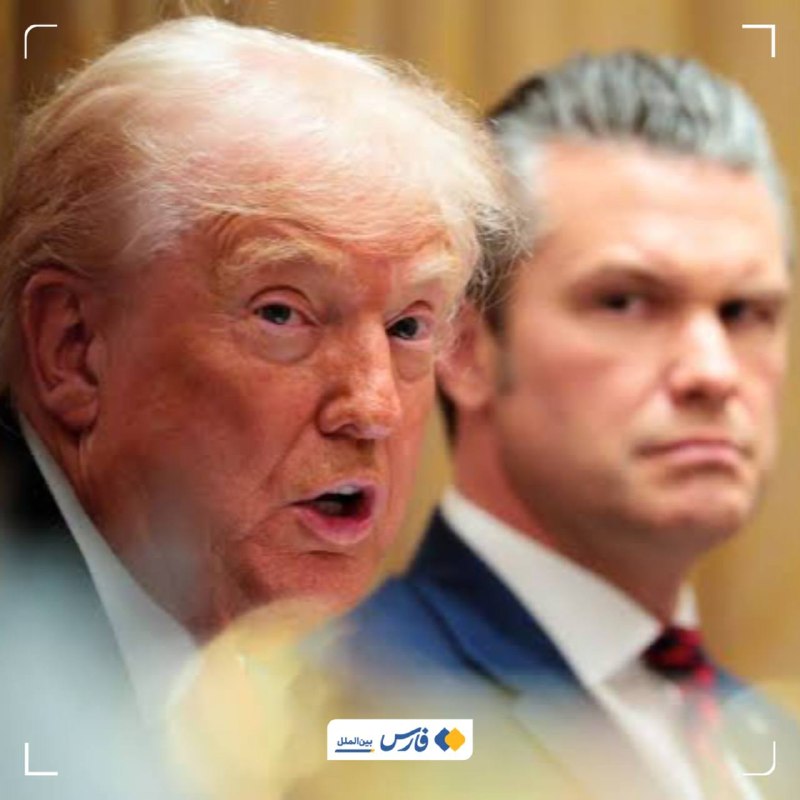
Donald Trump signed a memorandum of understanding with Iran on 18 June 2026, then spent much of the preceding 36 hours telling reporters the document was provisional, reversible, and inferior to continued bombing. The sequencing is unusual by any diplomatic standard: the threat of resumed airstrikes arrived as a precondition for keeping a deal that was being signed in the same news cycle.
The MOU, brokered through intermediaries over recent weeks, is the most substantive US-Iran channel opened since the June 2025 strikes on Iranian nuclear and missile infrastructure. What it contains in enforceable terms remains undisclosed. What the US side has confirmed, on the record from the president himself, is narrower and more conditional than the framework being read into it by oil traders and regional governments.
What Trump has actually said
The clearest statements came on 17 June. Asked by a reporter who originated the line that "Iran never won a war, but never lost a negotiation," Trump answered "who said that?" — and the reporter replied, "Donald Trump." The exchange, captured on the White House press pool feed and circulated by Unusual Whales, was light in tone but revealing: the president is not pretending the deal reflects Iranian capitulation. He is selling it as a managed American advantage.
The substantive caveats came in the same window. Trump said the MOU is "not final. If I don't like it, we will go back to dropping bombs." He described the $300 billion figure circulating in preliminary reporting as "false." He disclosed that the United States operates "space cameras" permanently positioned over Iranian nuclear sites, a disclosure that reads as deterrence-by-publicity as much as intelligence transparency. And in a comment that will draw attention in Gulf ministries, he said it would be "a little bit unfair" for Iran to be left without ballistic missiles while other regional states retain them, per a Polymarket wire of the briefing.
The day after signing, on 18 June at 05:49 UTC, Trump sharpened the cost calculation of the alternative. Translated and carried by Iran's Tasnim news agency, he told reporters: "If we continued to bomb Iran, ships would no longer be able to travel. Our oil reserves would run out in about four weeks. The world's reserves would truly run out." The line, also posted to X by Sprinterpress at 05:41 UTC, is the closest a sitting US president has come in this cycle to naming an oil-price ceiling as a constraint on the use of force.
What the deal appears to be — and not be
The MOU format itself signals limited ambition. A memorandum is not a treaty, does not bind successor administrations in the way a Senate-ratified instrument does, and is precisely the vehicle a White House picks when it wants to claim a result without underwriting it. The Iranian side, having watched the 2015 Joint Comprehensive Plan of Action collapse under the next administration, will read the format the same way. Both governments are signing something neither intends to treat as permanent. The political question is which side blinks first under stress.
The verifiable substantive commitments are few. Trump has confirmed that an Iranian nuclear weapon is unacceptable, in language he has used before. He has framed the arrangement as conditional, with bombing as the enforcement default. He has rejected the $300 billion price tag attributed to the deal in earlier reporting. Beyond that, the public record contains framings rather than terms: a missile-capability reference framed as "fairness" between regional states, an ongoing surveillance posture over nuclear sites, and an oil-market rationale for not returning to war.
The Iran International and Reuters-led wire coverage of prior rounds placed enrichment, sanctions relief, and IAEA inspection access at the centre of negotiations. None of those three has been confirmed or denied in the public statements surrounding the 18 June signing. The MOU, in other words, is being sold as a result before the result has been specified.
The structural frame: a deal priced in oil
The most consequential line of the past 48 hours is not about centrifuges. It is the four-week reserve calculation. When a US president names a number — four weeks of US strategic reserves, "truly running out" globally — he is converting a military question into a commodities question. The deal with Iran, on this reading, is partly an oil-supply agreement wearing diplomatic clothing. It guarantees that the Strait of Hormuz remains a transit corridor, that Gulf producers can ship without paying a war risk premium, and that the global price of crude does not test the political ceiling inside an American election cycle.
That is also why the missile "fairness" line matters. Iran's ballistic programme is the principal residual deterrent to the kind of sustained strike campaign Trump has now twice threatened. If the deal leaves that deterrent intact while constraining the nuclear path, the practical effect is a US-brokered ceiling on Iran's nuclear capability in exchange for a tacit acceptance of its conventional reach. Regional states that have watched Iran's proxy network absorb Israeli strikes in recent years will read that trade differently than Tehran will.
What remains genuinely uncertain
The published reporting does not specify which entities signed on Iran's side, what the verification mechanism is, or what the trigger conditions are for a US return to bombardment beyond the president's own statement that he would act "if I don't like it." The IAEA's posture, the status of sanctions relief, and the treatment of Iran's stockpile of enriched material are not in the public record attached to this signing. Iranian state-aligned outlets are carrying the Trump oil-reserve quote prominently; whether that reflects Tehran's confidence in the deal or its interest in deterring a future US administration from tearing it up is not yet distinguishable.
The honest reading is that the United States has signed an instrument whose contents it will only specify under pressure, has reserved the right to bomb Iran as a standing alternative, and has publicly priced the cost of that alternative in days of oil-reserve exhaustion. Iran, in turn, has signed an instrument it knows a future White House can discard. The deal is real, and so is the threat that ends it.
Desk note: Monexus treats the US-Iran channel through the lens of the oil-supply floor and the conditionality Trump has built into his own public statements, rather than through the framework of any single previous deal. Western-wire sourcing and Iranian state-media carry-over are weighted symmetrically; the gap between them is treated as the story.
Wire provenance
This editorial synthesis draws on the following public wire/social posts:
- https://x.com/unusual_whales/status/
- https://x.com/unusual_whales/status/
- https://x.com/unusual_whales/status/
- https://x.com/polymarket/status/
- https://x.com/polymarket/status/
- https://t.me/tasnimplus/
- https://x.com/sprinterpress/status/
- https://x.com/sprinterpress/status/